15.9 million voters reshape local politics as coalitions loom
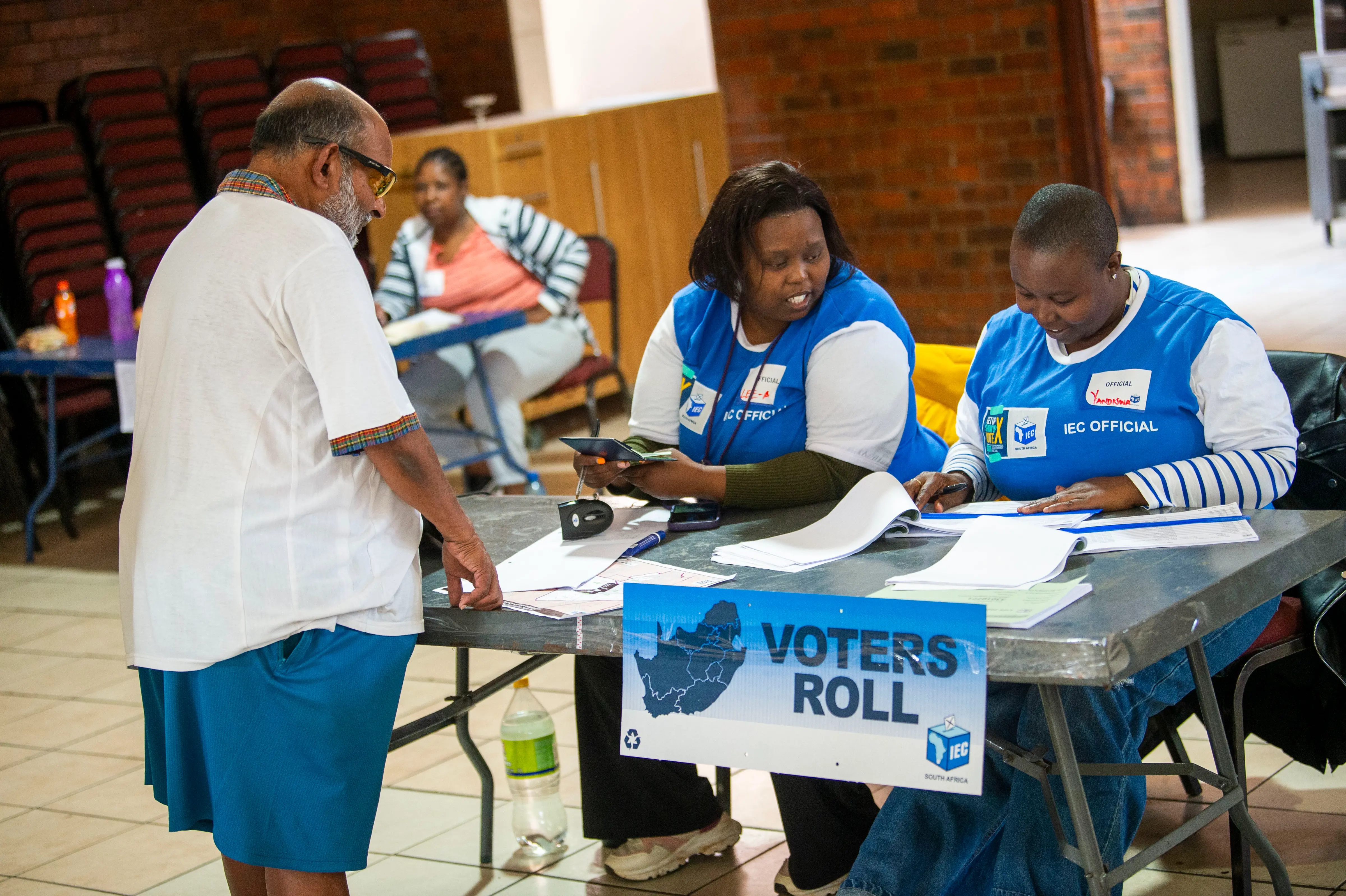
More than 15.9 million South Africans participated in the 2026 local government elections, marking a recovery in voter turnout after the record low of 2021. But the increase may reflect growing frustration with municipal failures, particularly among middle-class voters, rather than a broad revival in political participation.
Preliminary results point to a changing political landscape, with the African National Congress losing ground, the Democratic Alliance consolidating its position in several metropolitan municipalities and ActionSA making gains in Gauteng townships.
The results also suggest that at least five metropolitan municipalities could have hung councils, raising the prospect of another period of fragile coalition governments.
Tessa Dooms, director of the Rivonia Circle, said the increase in turnout needed to be understood against the political and social circumstances that shaped the previous election.
The 2021 local government elections were affected by the Covid-19 pandemic and an abstention by ANC supporters, with the party acknowledging that much of the decline in participation had come from its traditional voter base.
“There was a concern that turnout would drop significantly,” said Dooms.
However, she cautioned against interpreting the latest figures as evidence of a broad-based revival in political engagement, arguing that the increase appeared to favour the middle class.
Gauteng, which has traditionally recorded lower turnout than KwaZulu-Natal, experienced a significant increase in participation, particularly in urban areas.
“Gauteng has had the biggest jump in participation. Usually, KwaZulu- Natal has higher turnout than Gauteng,” she said.
Dooms said one explanation could be that service delivery failures were increasingly affecting middle-class communities that had insulated themselves from municipal dysfunction previously by paying for private services.
She pointed to electricity load reduction and water protests in suburban areas as examples of how municipal failures were increasingly affecting households across class lines.
For many middle-class households, said Dooms, outsourcing services is becoming increasingly expensive, particularly when they continue paying municipal rates while investing in alternative electricity and water supplies.
However, she warned that political campaigns risked prioritising the interests of organised and relatively affluent communities over those of poorer residents.
“The black middle class must remember that what is solved for them and what is not solved for poor black people will have to be paid through black tax,” she said.
She argued that parties needed to build relationships with organised communities rather than rely on public relations campaigns if they wanted to deliver meaningful change in municipalities.
The Electoral Commission of South Africa (IEC) deputy chief electoral officer, Masego Shiburi, announced the preliminary participation figure at the commission’s Results Operations Centre in Midrand on Thursday morning.
“We can indicate that at this rate 15.9 million South Africans participated, both during special votes and the elections yesterday,” said Shiburi. The figure includes voters who cast special votes on 2 and 3 November, as well as those who voted on Wednesday.
With 29.2 million registered voters, the preliminary figure represents approximately 54.5% of the electorate, compared with 45.87% in the 2021 local government elections, when about 12 million people voted. The increase comes against a backdrop of public frustration with municipal performance, including unreliable water and electricity supplies, poor sanitation, deteriorating infrastructure and inadequate refuse removal.
The IEC certified 136 790 candidates to contest 10 526 council seats, compared with 95 427 candidates competing for 10 478 seats in 2021, indicating more political contestation.
Political strategist Jonathan Moakes said the turnout represented a return to pre-pandemic participation levels rather than an extraordinary increase in political enthusiasm. “If you go back to 2016, this is more in line with that. It's a revert to where things were pre-Covid,” he said.
Moakes said the DA appeared to be the biggest winner of the elections, while ActionSA was performing particularly well in Gauteng townships. He said the DA was on course to become the biggest party in Johannesburg, Tshwane and Ekurhuleni, while the ANC was losing support even in some rural areas.
The EFF appeared to be among the biggest losers, with Moakes suggesting that ActionSA was benefiting from its declining support in Gauteng, while the MK party was attracting some of its voters in KwaZulu-Natal.
He said the EFF's position on immigration could be among the factors contributing to its losses.
Moakes also pointed to gains by smaller parties, including the United Democratic Movement, as evidence that voters were increasingly considering alternatives to the ANC.
He said the results suggested that some voters who had previously stayed away from elections were now choosing to express their dissatisfaction through the ballot box.
In Johannesburg, the DA was likely to emerge as the largest party but would probably fall short of an outright majority.
“It is unlikely to get to 40%. They can get to the high 30s,” said Moakes. The outcome could leave the party needing coalition partners, with the ANC and ActionSA among the possible options.
Asked whether DA federal leader Helen Zille and ActionSA leader Herman Mashaba could overcome their public disagreements to form a coalition, Moakes said the question remained unresolved.
“That's the million-dollar question. I don't know; there's been a lot of public disagreement and posturing, with both saying they will wait until results are declared. Let's hope, for the sake of Johannesburg residents, they can get along,” he said.
Political strategist Siseko Maposa said the early results broadly reflected what polling had anticipated, with the ANC declining, the DA holding its ground and smaller parties emerging as important players in determining coalition arrangements.
“The PA and ActionSA are performing notably well in specific regions, while the EFF and the smaller parties are trickling in at low numbers. That distribution matters, because it shapes who becomes a viable coalition partner and who does not,” said Maposa.
In the Western Cape, the DA was on course for an outright majority in Cape Town, while the ANC risked falling behind the Patriotic Alliance provincially.
In the Eastern Cape, the DA was competitive in Nelson Mandela Bay, while the ANC was holding on in Buffalo City but facing a stronger challenge from the UDM.
Gauteng's metropolitan municipalities were showing signs of further political fragmentation, said Maposa, with the DA leading in Ekurhuleni and Johannesburg and Tshwane heading towards hung councils.
He said in KwaZulu-Natal, the MK party was leading the provincial count, but its prospects of governing eThekwini remained uncertain. The DA has ruled out cooperation with the MK party, while the IFP and ANC's existing political alignments could complicate coalition negotiations.
Maposa said the real political significance of the results lay in how in many municipalities no single party would secure more than 50% of the vote.
At least five, and possibly six, metropolitan municipalities could end up with hung councils, creating the prospect of another period of coalition government.
Vhanhangwele Tsotetsi, chief executive of ProjectYouthSA, said social media had played an important role in encouraging young people to vote, with voters sharing photographs of inked left thumbs and encouraging their peers to participate.
“The participation, the sentiment towards politics is not bad, might be higher than 2021,” he said.
However, Tsotetsi warned that a lack of voter education, particularly around registration and navigating IEC platforms, continued to affect young people's participation.
Some young people were also uncertain about which parties to support, while others felt disconnected from the political choices available to them.
Meanwhile, the IEC continued processing the results on Thursday, with 66 073 results slips to be processed from approximately 23 000 voting stations.
IEC chief executive officer Sy Mamabolo said the improved capture rate was achieved despite longer ballot papers, more candidates and increased voter participation.
Mamabolo said the commission had received more than 800 complaints from political parties, mainly alleging that party agents had been prevented from observing voting and counting processes. Most had been resolved, with fewer than 100 outstanding.
The deadline for submitting material objections is 5 pm on Friday. The IEC has seven days to declare the election results.
Related Topics
Keywords
Related Stories
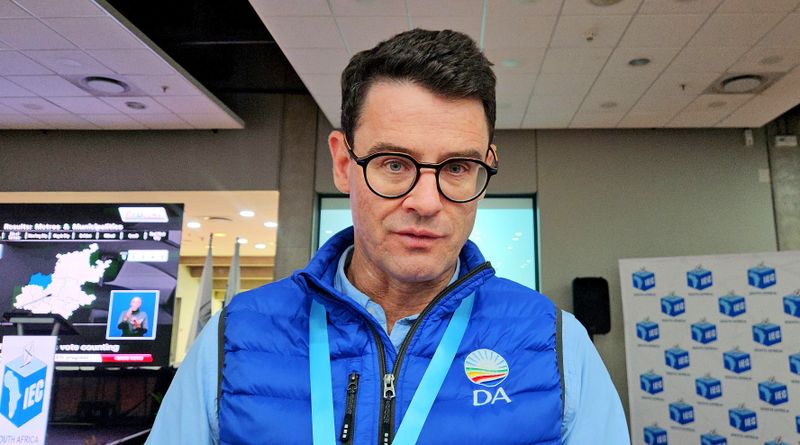
LOCAL ELECTIONS 2026: DA draws coalition red lines as Nelson Mandela Bay results take shape
With the DA leading the vote count in Nelson Mandela Bay, provincial leader Andrew Whitfield says the party is open to coalition negotiations but will not work with the EFF or MK party. He says good governance and service delivery, rather than positions and power, must guide any…
Gov Abiodun declares Ogun ready for state police
The governor described the establishment of state police as a critical step towards strengthening security, protecting investments and sustaining the state’s growing economic activities The post Gov Abiodun declares Ogun ready for state police appeared first on Premium Times…

Former Cross River PDP chair doubts party’s 2027 chances
Former Cross River PDP chairman Venatius Ikem questions the party’s ability to challenge the APC in 2027, describing its structures as fragmented and its Wike-backed presidential candidate, Sandy Onor, as politically invisible. The post Former Cross River PDP chair doubts…

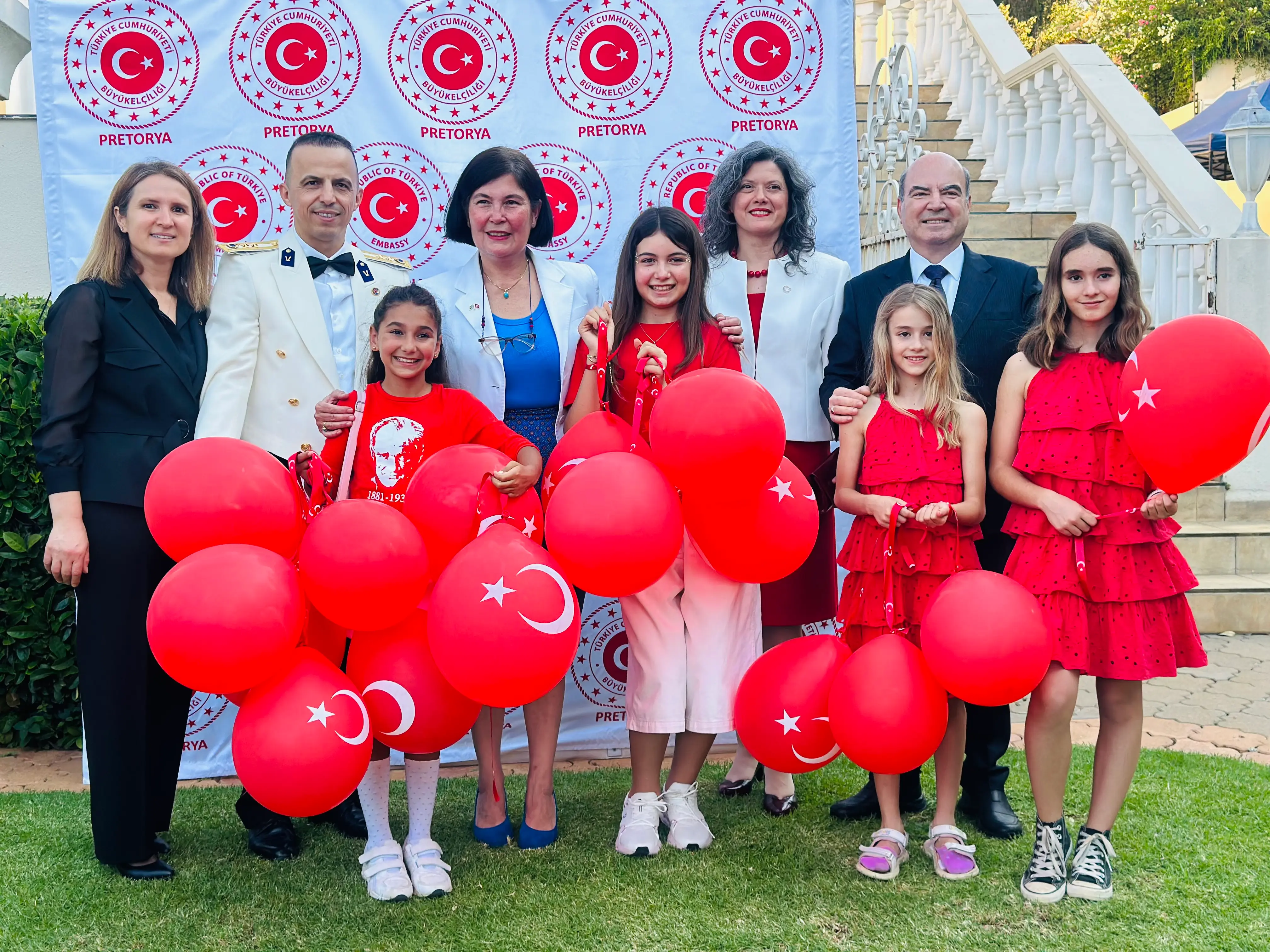
Türkiye and SA look to a bigger future together
The Embassy of the Republic of Türkiye in Pretoria celebrated the 103rd anniversary of the proclamation of the Republic, spotlighting growing diplomatic and economic ties with South Africa.
Top Stories
LOCAL ELECTIONS 2026: DA draws coalition red lines as Nelson Mandela Bay results take shape

USMNT's Gold Cup path to look different as Concacaf unveils revamped group-stage format

Best horse racing betting sites: Where to bet on horse racing
Gov Abiodun declares Ogun ready for state police
Former Cross River PDP chair doubts party’s 2027 chances

Cowboys stars reject George Pickens trade talk ahead of NFL deadline
Türkiye and SA look to a bigger future together

Firms told to publish salaries in job adverts ahead of new law
Latest
LOCAL ELECTIONS 2026: DA draws coalition red lines as Nelson Mandela Bay results take shape
USMNT's Gold Cup path to look different as Concacaf unveils revamped group-stage format
Best horse racing betting sites: Where to bet on horse racing
Gov Abiodun declares Ogun ready for state police
Former Cross River PDP chair doubts party’s 2027 chances
Cowboys stars reject George Pickens trade talk ahead of NFL deadline
Türkiye and SA look to a bigger future together
Firms told to publish salaries in job adverts ahead of new law