Abdul El-Sayed welcomes Trump's plan to cut Israel aid, calls for end to arms sales
Elections
By
Steve Inskeep
,
Michel Martin
,
Majd Al-Waheidi
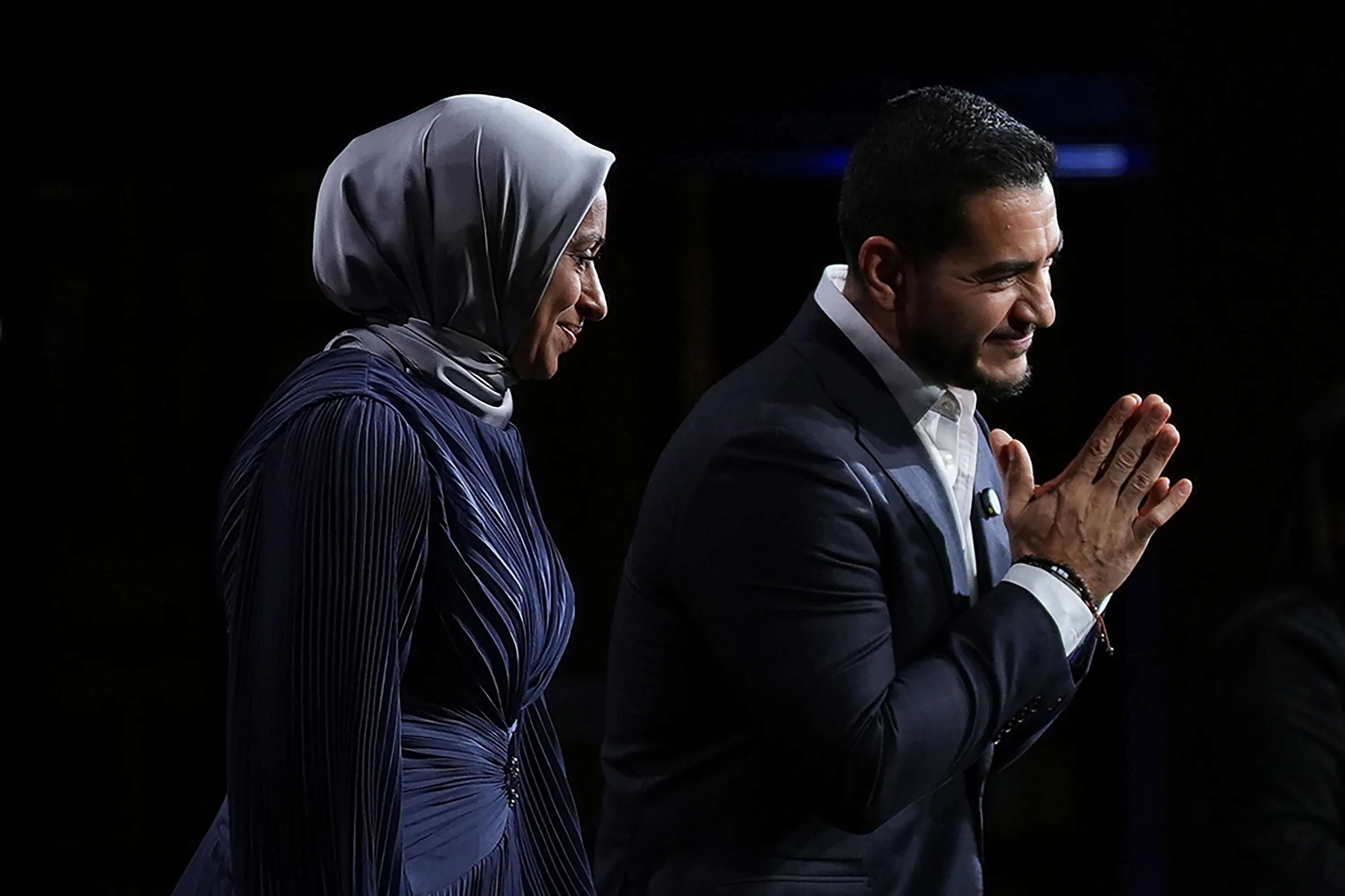
Abdul El-Sayed with his wife, Sarah Jukaku, during an election night watch party in Detroit. Salwan Georges/Getty Images hide caption
Elections
Democrat Abdul El-Sayed defeats Republican Mike Rogers in key Michigan Senate race
Democrat Abdul El-Sayed made history in Michigan, defeating Republican Mike Rogers to become the first Muslim elected to the U.S. Senate as his party reclaimed control of Congress.
The 42-year-old former public health official campaigned on lowering costs, Medicare for All and getting corporate money out of politics. Rogers, backed by President Trump, repeatedly attacked El-Sayed over his Muslim faith and opposition to U.S. military aid to Israel.
State of the World from NPR
Our reporter witnesses the largest detention of West Bank activists in a decade
But Israel and the war in Gaza became a defining fault line in the race. Haley Stevens, whom El-Sayed defeated in the Democratic primary, endorsed Rogers just days before the election amid a bitter dispute over Israel.
After a campaign marked by heated disagreements over Israel, El-Sayed now finds himself on the same side of an issue as Trump.
The president announced plans to end roughly $4 billion in annual military aid to Israel by the end of the year, though he offered no details on how the cuts would work.
Speaking to Morning Edition after his victory, El-Sayed welcomed the proposal.
"I think the president is actually right on this policy," he said. "I'd also like to see us stop selling weaponry that gets used to do the worst things, including genocide and apartheid, to Israel."
Author Interviews
Inside the 'herd impunity' behind Biden's Gaza policy
The U.S. provides Israel with $3.8 billion in annual military aid under an agreement that runs through 2028.
World
What life under U.S. sanctions looks like for one ICC judge
His argument goes beyond Israel. El-Sayed also questioned U.S. military support for Egypt, Saudi Arabia, Jordan and Pakistan, saying American tax dollars should be spent at home.
Winning Michigan's Senate seat, however, doesn't mean every division within his party has disappeared.
During a visit to Michigan before the election, NPR's Michel Martin heard concerns about El-Sayed from some Jewish and Black voters. Asked whether he still had work to do to win their support, El-Sayed said the election results challenged that narrative.
"There's always more work to do. There's always more to build. There's always more conversations to have," he said.
Listen to the full interview live by clicking on the blue button above.
The digital version was edited by Treye Green.
NPR does not offer or accept money for coverage or interviews.
Anyone who makes such an offer or request is not an NPR employee and does not represent NPR.
Related Topics
Keywords
Related Stories
Ukraine says bodycam video shows deadly Russian double-tap bombing
At least 40 people were killed and another 30 may still be under the rubble after Monday's attack on a Ukrainian village, Kyiv says.

US midterm results a 'victory' for Canadians hopeful of tariff relief
With Canada-US trade talks back on, Tuesday’s midterm Democratic wave puts pressure on the White House to come to a deal.

Iran's chief negotiator says Americans voted 'no to war'
"We endorse this message," Mohammed Bagher Ghalibaf says, as Donald Trump acknowledges the conflict's role in the Republican Party's defeat.

The young politicians with African roots making history in the US midterms
For some young Africans, these victories offer a glimpse of what a new generation of voters could do at home.

Top Stories
Trump says Republicans harmed by Iran war, inability to ‘transfer the love’ for him

What's next for the Valkyries? Why Golden State could add star free agent to championship core
Today's top games to watch, best bets, odds: 76ers at Pistons, Flagg vs. Wembanyama, college football and more
Previewing a Week 10 that could reshape the CFP race as the biggest Saturday yet arrives

Gemini for Home now plugs into AT&T’s smart security system
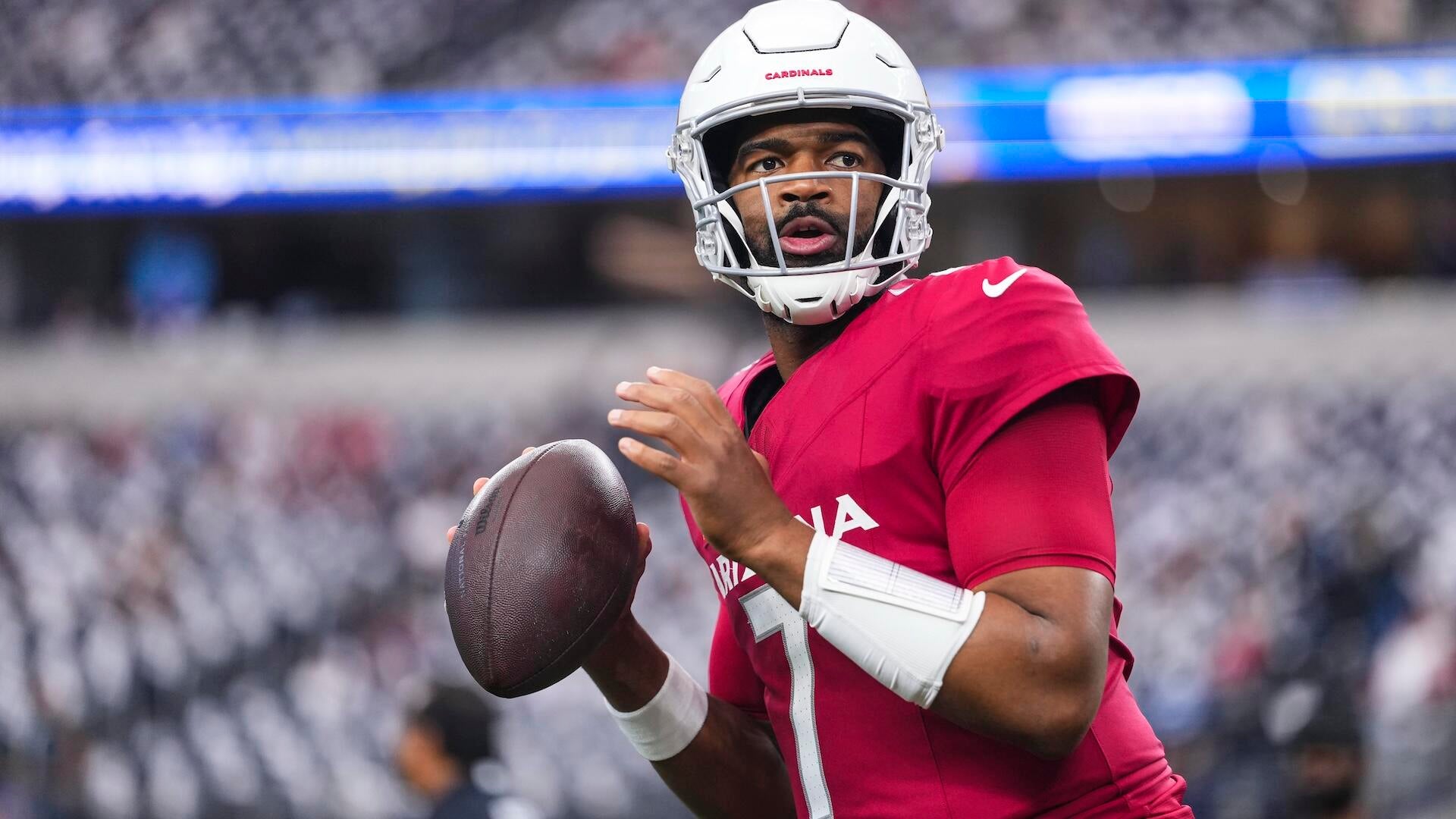
Jacoby Brissett trade: Ravens strike deal for Cardinals QB amid injury crisis

2027: Makinde unveils presidential manifesto, faults leaders over failures

NBA DFS: Top DraftKings, FanDuel daily Fantasy basketball picks for Wednesday, Nov. 4 include OG Anunoby
Latest
Trump says Republicans harmed by Iran war, inability to ‘transfer the love’ for him
What's next for the Valkyries? Why Golden State could add star free agent to championship core
Today's top games to watch, best bets, odds: 76ers at Pistons, Flagg vs. Wembanyama, college football and more
Previewing a Week 10 that could reshape the CFP race as the biggest Saturday yet arrives
Gemini for Home now plugs into AT&T’s smart security system
Jacoby Brissett trade: Ravens strike deal for Cardinals QB amid injury crisis
2027: Makinde unveils presidential manifesto, faults leaders over failures
NBA DFS: Top DraftKings, FanDuel daily Fantasy basketball picks for Wednesday, Nov. 4 include OG Anunoby