[Analysis] Trans-Saharan Gas Pipeline: How 4,128 km of New Steel Could Reshape Europe's Energy Map

 Map of West Africa made of wood (© Shutterstock/Olena Ilchenko)
In June 2026, energy ministers from Algeria, Nigeria, and Niger convened in Algiers and later marked a significant milestone in Algeria’s Adrar Province: the official launch of construction on the Algerian section of the long-delayed Trans-Saharan Gas Pipeline (TSGP).
After decades of planning, feasibility studies, and setbacks, the ambitious project is finally showing visible progress. Algeria has already broken ground, with Niger working to begin its segment in early 2027.
The start of construction in Algeria in June 2026 represents the strongest political and practical momentum the TSGP has seen in years.
Spanning 4,128 kilometres (2,565 miles), the pipeline is designed to transport up to 30 billion cubic metres (bcm) of natural gas annually from Nigeria’s reserves through Niger to Algeria’s Hassi R’Mel hub.
From there, it can feed into existing infrastructure, such as the Trans-Mediterranean Pipeline, to reach European markets.
With an estimated cost of US$10–13 billion, the TSGP stands as one of Africa’s most ambitious energy initiatives and a potential strategic addition to Europe’s efforts to diversify its gas supplies.
A Decades-Old Idea Gains New Momentum
The idea of a trans-Saharan pipeline dates back to the 1970s, but it gained serious momentum in the early 2000s through partnerships between Nigeria’s NNPC and Algeria’s Sonatrach.
A 2006 feasibility study supported its viability, followed by an intergovernmental agreement in 2009 that once aimed for a 2015 operational start.
However, security concerns, financing challenges, and regional instability repeatedly pushed the timeline back. Following Russia’s full-scale invasion of Ukraine in 2022, the massive pipeline project received fresh urgency.
As European countries scrambled to replace Russian pipeline gas, interest in African alternatives got visibly revived.
Renewed talks culminated in updated agreements in 2025, including efforts to refresh feasibility studies and address compensation and confidentiality issues. By mid-2026, improved relations between Algeria and Niger helped clear the way for construction to begin.
The route covers approximately 1,037 km in Nigeria, 841 km in Niger, and 2,310 km in Algeria, starting near Warri in the Niger Delta and heading north to Hassi R’Mel.
Reports indicate that a substantial portion of the overall infrastructure—around 60% in some segments—has seen preparatory or partial work over the years, though significant new construction and full integration remain ahead.
Updated timelines now point toward potential completion in the late 2020s or early 2030s, pending further studies and financing.
A Boost to Europe’s Post-Russia Energy Calculus
With European countries looking to reduce dependence on Russia’s energy, alternative supplies from Africa have been seen as part of the broader strategy to end imports from Russia by 2027.
Europe has successfully reduced its dependence on Russian gas, with the country’s share of EU pipeline imports dropping sharply from around 40% in 2021 to low single digits in recent years.
This drop is projected to continue as Norway, U.S. LNG, and North African suppliers step in to fill the gap.
Algeria already plays an important role, contributing roughly 10–12% of EU gas imports through existing pipelines and LNG.
The TSGP would enhance this by adding Nigerian volumes to Algeria’s export capacity. Pipeline deliveries offer advantages over LNG, including greater price stability and reduced exposure to global shipping disruptions.
For Europe, the project could deliver meaningful supply security, geopolitical diversification, and a reliable bridge fuel during the energy transition. However, realising this potential would likely require European financial and offtake commitments.
Regional Benefits and Broader Implications
For Nigeria, the project offers a pathway to monetise its vast gas reserves beyond LNG exports, generating revenue, employment, and infrastructure development while supporting its ambition to become a major gas exporter.
Algeria stands to reinforce its position as a key energy bridge to Europe, enhancing its transit role and strengthening Sonatrach’s operations.
Niger and surrounding regions could gain from transit fees, local jobs, and improved access to energy, provided agreements ensure fair distribution of benefits.
If successful, the TSGP could set a precedent for larger-scale African energy integration and strengthen the continent’s voice in global markets. However, it does not come without challenges.
Security remains the most pressing concern as the route crosses volatile areas, including Nigeria’s Niger Delta—prone to militancy and sabotage—and unstable Sahel regions facing jihadist threats, banditry, and insurgencies.
Safeguarding such an extensive pipeline across vast, sparsely populated terrain will demand substantial resources and robust international cooperation. Financing the full project is another challenge, even with growing European interest.
Political stability in the Sahel has fluctuated, and the project competes with the Nigeria-Morocco Gas Pipeline, which follows an Atlantic route and involves more countries but potentially avoids some Sahelian risks.
As such, technical, environmental, social, and community issues could introduce further delays, as historical experience with large African infrastructure projects suggests that optimistic schedules often slip.
Although work has begun, the coming years—marked by updated feasibility work, additional construction milestones, and financing arrangements—will reveal whether this ambitious link becomes a lasting artery of South-North energy partnership or joins the list of visionary plans stalled by the desert sands.
Related Topics
Keywords
Related Stories
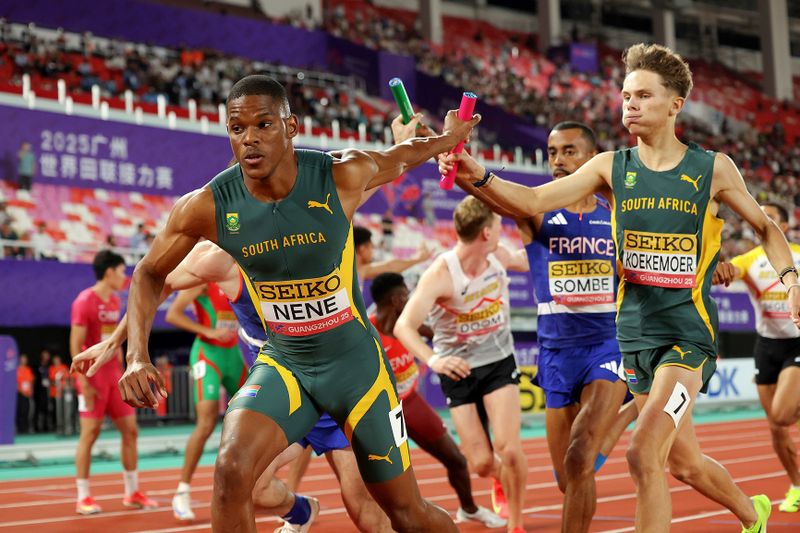
ADMINISTRATIVE CHAOS: Athletics SA moves rapidly to implement World Athletics leadership overhaul directive
After being mandated to overhaul its leadership and constitution by World Athletics, South Africa’s custodian of athletics has provided an update on the next steps as it chips away at compliance.
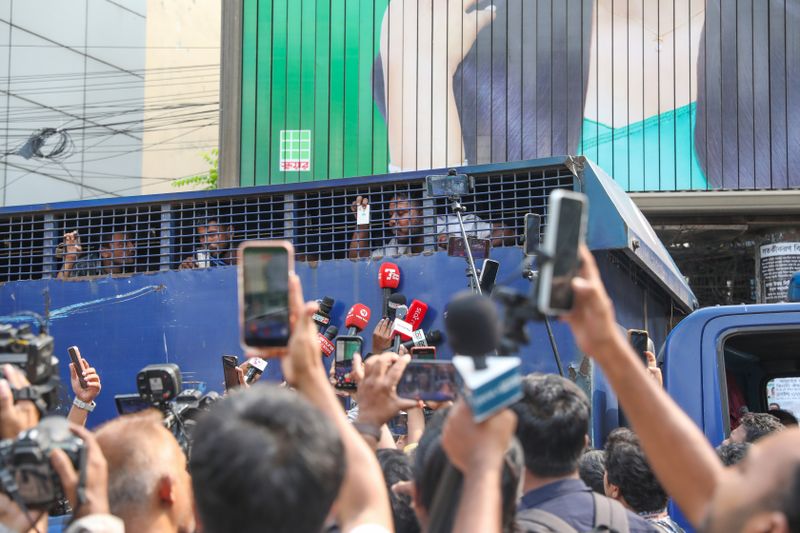
Bangladesh garment workers stage fourth day of wage protests
Garment workers in Bangladesh staged a fourth day of wage protests on Tuesday, with police firing tear gas to disperse demonstrators as unrest disrupted factory operations and transport links in the country's vital export sector.
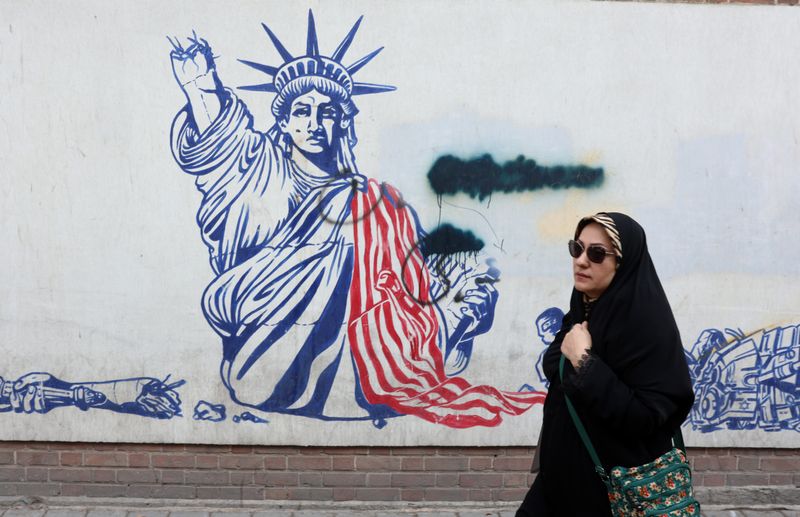
Iran-US deal still out of reach despite heightened diplomatic efforts
Iran and the United States are far from reaching a deal to end the war, a senior Iranian official told Reuters on Tuesday, despite heightened diplomatic efforts to prevent a potential return to active conflict after the US midterm elections.
BHEKISISA: Meet the ‘matriarch of pain’ who wants to change how SA treats patients
Pain is one of the primary reasons people seek medical care. Yet it’s barely taught and poorly treated. Physiotherapist Romy Parker has spent two decades trying to change that.

Top Stories
ADMINISTRATIVE CHAOS: Athletics SA moves rapidly to implement World Athletics leadership overhaul directive
Bangladesh garment workers stage fourth day of wage protests
Iran-US deal still out of reach despite heightened diplomatic efforts
BHEKISISA: Meet the ‘matriarch of pain’ who wants to change how SA treats patients
Service delivery gripes set to dominate 2026 LGE voters’ choices

West Ham sack head coach Nuno Espirito Santo
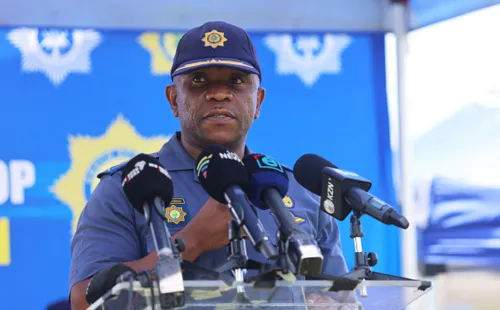
Mkhwanazi warns police against political bias ahead of KZN local government elections

Jet may have broken apart before Florida crash, officials say, as family named among victims
Latest
ADMINISTRATIVE CHAOS: Athletics SA moves rapidly to implement World Athletics leadership overhaul directive
Bangladesh garment workers stage fourth day of wage protests
Iran-US deal still out of reach despite heightened diplomatic efforts
BHEKISISA: Meet the ‘matriarch of pain’ who wants to change how SA treats patients
Service delivery gripes set to dominate 2026 LGE voters’ choices
West Ham sack head coach Nuno Espirito Santo
Mkhwanazi warns police against political bias ahead of KZN local government elections
Jet may have broken apart before Florida crash, officials say, as family named among victims