Brazil's left-wing President Lula elected for fourth term
The Americas
By
Catherine Osborn
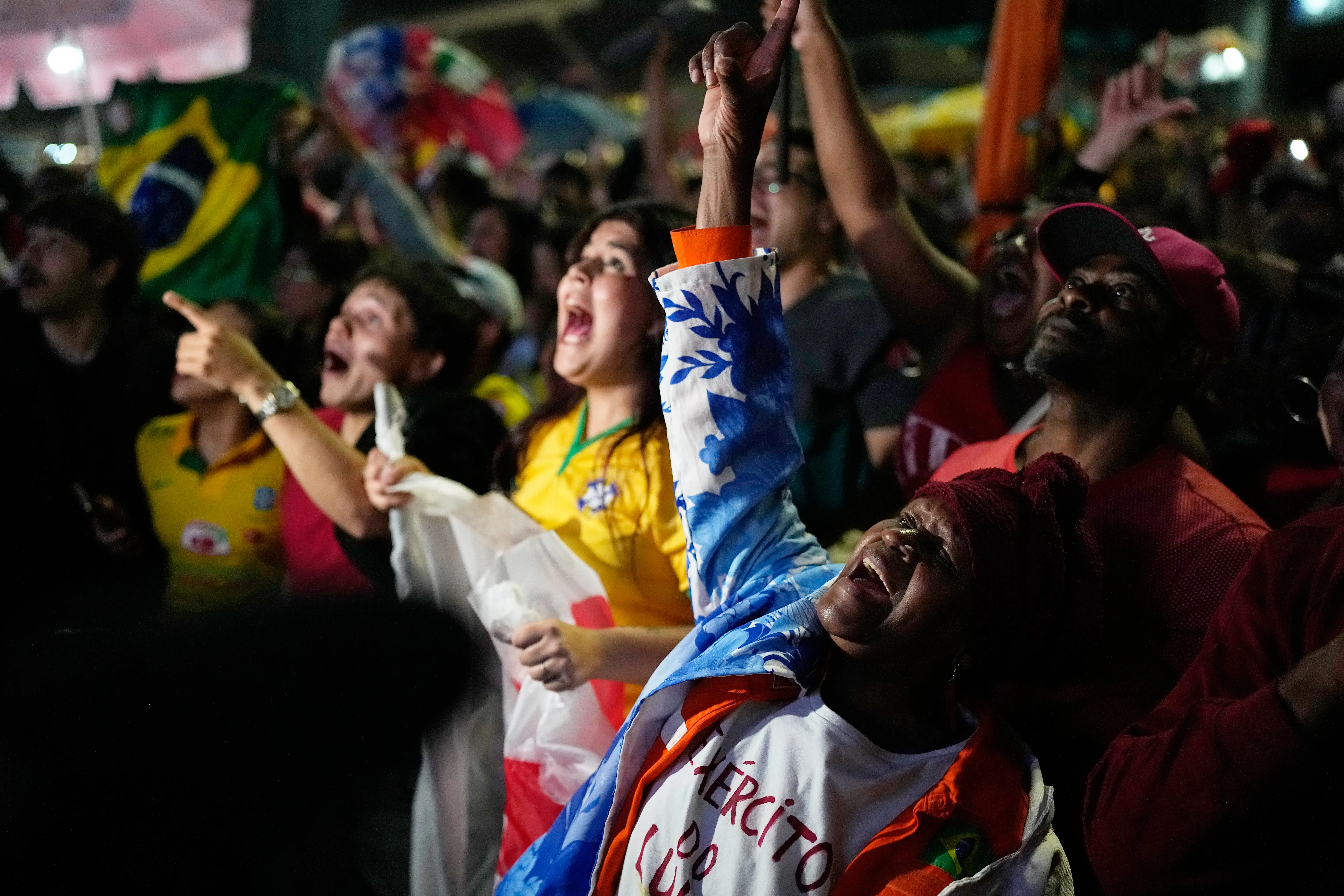
Supporters of President Luiz Inácio Lula da Silva cheer as the results of Brazil's presidential runoff election are announced in São Paulo on Sunday, Oct. 25, 2026. Natacha Pisarenko/AP hide caption
BRASILIA, Brazil — In a stunning comeback, President Luiz Inácio Lula da Silva has been elected president of Brazil, according to official results from Sunday's runoff, with more than 96% of votes counted. Lula won more than 51% of the vote, while Sen. Flávio Bolsonaro received more than 48%.
Lula defeated 45-year-old Bolsonaro, fending off a right-wing political dynasty that had promised closer relations with President Trump and extending a career that has already included three nonconsecutive presidential terms.
Election day unfolded chaotically. Around midday, Lula's campaign requested an extension of voting hours, arguing that some local governments had reduced bus service, making it harder for voters to reach polling stations. Bolsonaro also sought an extension, citing heavy rain in some states.
Supreme Court Justice Cristiano Zanin eventually ordered voting extended by two hours beyond its normal 5 p.m. closing time. But the order reached some polling stations after officials had deactivated their electronic voting machines, meaning voting could not resume there.
At one polling station in Rio de Janeiro, 36-year-old accountant Manuela Tunas arrived shortly after 6 p.m., hoping to vote after her flight into the city was delayed. She was unable to cast a ballot. "This is absurd," she said. "If some people can vote, and others can't, it's unfair."
The closely-fought election drew international attention for its implications for a growing right-wing movement in Latin America, the future of the Amazon rainforest and the fate of Brazil's roughly 40-year-old democracy.
Flávio Bolsonaro is the son of former President Jair Bolsonaro, who narrowly lost to Lula in 2022 and is serving a 27-year prison sentence for plotting a coup to overturn that result. His son had pledged to pardon him.
Because the election pitted two well-established political camps against each other, Brazilians showed little enthusiasm for street campaigning in the early months. But Bolsonaro's first-place finish in the first round of voting on Oct. 4 energized the contest, and in recent days supporters of both candidates have filled rallies and flooded social media in an effort to sway voters.
In the end, Lula's message of continuity and a focus on social spending prevailed.
"I think people woke up about the risk of a Bolsonaro government after the first round, and the mobilization made a difference," said Alessandra Miguel, a 35-year-old spa worker who voted for Lula in Rocinha, a favela in Rio de Janeiro.
Lula will govern a sharply divided country. Brazilian political scientist Jairo Nicolau, who studies presidential elections, said one of the most striking features of this year's contest was the rigidity of Brazilians' political allegiances.
Unlike in past years, he said, "people's identity of belonging to a tribe became more important than how they view different policy options."
This is a breaking story and will be updated.
NPR does not offer or accept money for coverage or interviews.
Anyone who makes such an offer or request is not an NPR employee and does not represent NPR.
Related Topics
Keywords
Related Stories
Shops looted as German cost of living protests turn violent
The protests in cities across Germany - including Berlin, Hamburg and Frankfurt - came on the same day hundreds of thousands also protested in France.

Democrats are used to heartbreak in Texas - could Talarico turn the tide?
The state's $500m Senate race may be the most closely watched in the US midterms, and is about far more than control of Congress.

These firms you've never heard of are feeding fears the AI bubble could burst
The amount of debt held by data centres is measured in the tens of billions of pounds.

How the downfall of Serbia's Vučiċ mirrored that of Hungary's Orbán
Defeat for Serbia's Aleksandar Vučiċ in last weekend's vote was a carbon copy of Viktor Orbán's fall in Hungary.

Top Stories
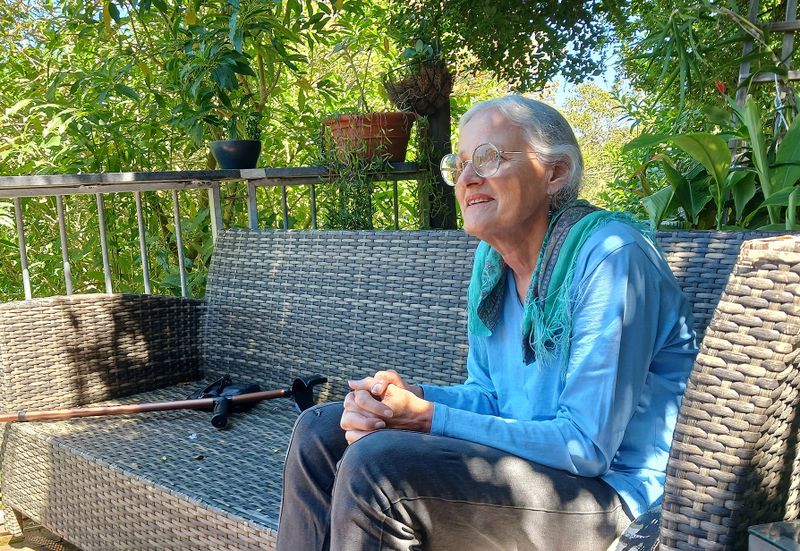
HEART FOR ART: Award-winning artist Annette Kamfer paints her way back after Parkinson’s diagnosis
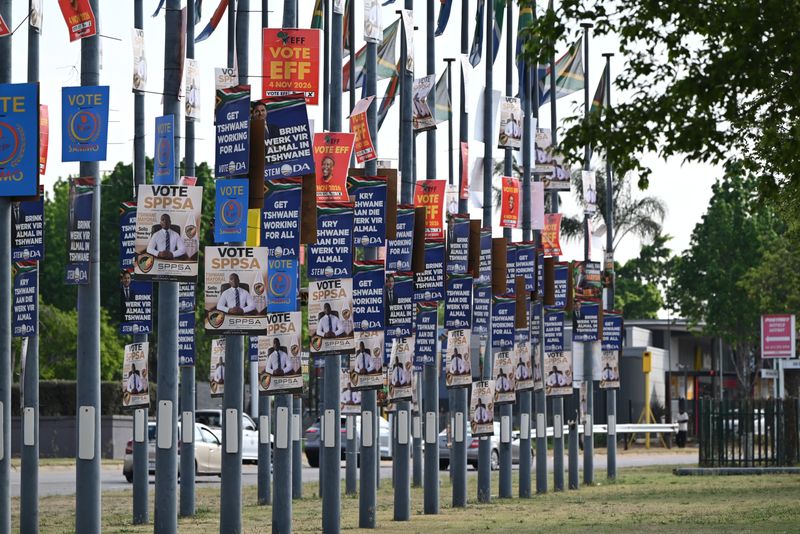
LOCAL ELECTIONS 2026: Ten critical questions as South Africa heads into high-stakes poll

Sanwo-Olu makes runaway appearance at Lagos Fashion Week (PHOTOS)

Valkyries win WNBA title in their second season

EXCLUSIVE: Ebola: 34-year-old pilot, wife identified as suspected cases who tested negative in North-east Nigeria
Zuma to make first public appearance since hospital discharge

When youths move, society changes: The 2026 barricades, By Owei Lakemfa

Why war makes Ukraine media more determined than ever to hold power to account
Latest
HEART FOR ART: Award-winning artist Annette Kamfer paints her way back after Parkinson’s diagnosis
LOCAL ELECTIONS 2026: Ten critical questions as South Africa heads into high-stakes poll
Sanwo-Olu makes runaway appearance at Lagos Fashion Week (PHOTOS)
Valkyries win WNBA title in their second season
EXCLUSIVE: Ebola: 34-year-old pilot, wife identified as suspected cases who tested negative in North-east Nigeria
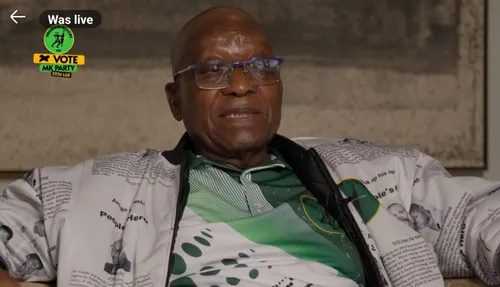
Zuma to make first public appearance since hospital discharge
When youths move, society changes: The 2026 barricades, By Owei Lakemfa
Why war makes Ukraine media more determined than ever to hold power to account