Cameroon's 92-Year-Old Biya Declared Re-Elected Amid Violence and AU Alarm
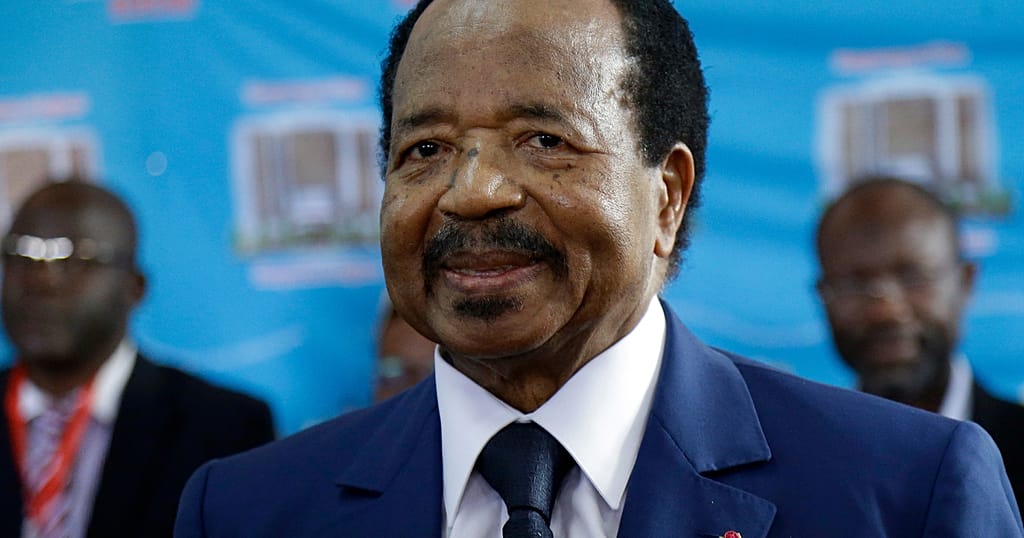
Cameroon's Constitutional Council has proclaimed Paul Biya the winner of the country's presidential election, extending the rule of a leader who has governed since 1982 and is now, at nearly 93 years old, one of the oldest heads of state in the world.
The announcement was accompanied by an unusually pointed note of concern from the African Union. The chairperson of the AU Commission congratulated Biya on his re-election but simultaneously voiced grave alarm over reports of violence, repression and arrests of protesters and political opponents connected to the vote — a rare instance of the continental body raising public concerns even as it acknowledged the declared result.
The election followed a period of uncertainty over its timing. Biya had earlier announced a delay to legislative and municipal elections, citing what he described only as 'certain compelling constraints', a vague explanation that fuelled speculation about the government's confidence in managing a smooth electoral process.
Biya's decades in power have made him a fixture of African politics, having led Cameroon through periods of relative stability punctuated by simmering conflict, including a long-running separatist crisis in the country's Anglophone regions. His continued rule at such an advanced age raises pointed questions about succession that his government has shown little appetite to address publicly.
For Cameroonians, the proclamation of Biya's victory amid violence and repression is a familiar, if unwelcome, pattern — one that leaves the fundamental questions about the country's political future essentially unresolved, deferred once again to whenever Biya's extraordinary tenure eventually comes to an end.



%2Fhttps%253A%252F%252Fmedia.afrik-foot.com%252Fen-ng%252F2026%252F03%252Fimago1040127043.jpg)