CBD COP17: Why African countries struggle to mobilise biodiversity funding – AfDB official

African governments must demonstrate stronger commitment to biodiversity conservation by integrating it into national investment priorities and allocating resources for implementation, an official of the African Development Bank (AfDB) has said.
Join the Premium Times WhatsApp Community For Quick Access To News and Happenings Around You.
Arona Soumare, the bank’s Chief Climate Change and Green Growth Officer, made the call during a panel discussion on the sidelines of the ongoing 17th Conference of the Parties to the Convention on Biological Diversity (CBD COP17) in Yerevan, Armenia.
The discussion, organised by the World Wide Fund for Nature (WWF), was themed “From Commitments to Action: What Africa’s Seventh National Reports Reveal About Progress, Gaps and Opportunities for Delivering the Global Biodiversity Framework”.
Speaking on why African countries struggle to mobilise sufficient funding for biodiversity projects, Mr Soumare said many governments approach development financiers for other priorities, often treating biodiversity as an additional consideration rather than a central investment objective.
He said African countries must move beyond commitments under the Kunming-Montreal Global Biodiversity Framework (GBF) and demonstrate their resolve through concrete investment decisions.
“Most of the time, African countries are not pushing the bank. There’s a big pool of projects we have met so far coming from the outsiders. You barely see an African country coming to us with a good and sound proposal on biodiversity,” he said.
According to him, governments frequently approach the bank for other development priorities, with biodiversity incorporated as a secondary component.
Stay Ahead with Premium Times
Follow us on Google News and never miss breaking stories, investigations, and in-depth reporting.
“This is an issue we have to face. If you are not able to, at country level, I don’t see any point coming to the other one and asking for something which is a priority for us, if you’re not willing to put our money on it,” he said.
Breaking financing silos
Mr Soumare identified the fragmentation of funding across development sectors as one of the major obstacles to biodiversity financing in Africa.
He explained that the bank works with countries through Country Strategy Papers, which guide discussions on national development priorities and determine the investments included in its portfolios.
He said biodiversity conservation should be integrated into these priorities rather than treated separately from infrastructure development, food security, livelihoods and other national objectives.
Citing Madagascar as an example, Mr Soumare said country allocations could support private-sector initiatives for national parks and help attract additional financing.
He also called for more flexible financing mechanisms to support both large-scale conservation programmes and smaller, community-led projects.
Although the bank provides funding opportunities for grassroots organisations, he said available resources remain inadequate to meet demand.
“When I have a call for proposals, I’ll be able to fund maybe three out of 10 applications I’m getting,” he said.
Mr Soumare advocated blended finance, which combines domestic resources with international funding, alongside green banks, green lines of credit and other financial intermediaries to channel investments into biodiversity conservation.
He also highlighted the potential of nature-related bonds to mobilise capital from financial markets, stressing the need for governments and development partners to strengthen the economic case for investing in ecosystems.
Regional cooperation
Speaking during the same discussion, Daniel Mukubi of the Democratic Republic of Congo’s Ministry of Environment and Sustainable Development said inadequate financing remained a major constraint to implementing biodiversity commitments.
He noted that conservation efforts often competed with urgent national priorities, including food security, energy, infrastructure development and poverty reduction.
Mr Mukubi said regional cooperation could help countries overcome some implementation challenges by pooling expertise and strengthening institutional capacity.
He cited training involving technical experts from across the region to improve geographic information system (GIS) and biodiversity mapping capacities. These skills, he said, could support regional planning towards the global 30-by-30 conservation target.
The target seeks to conserve at least 30 per cent of the world’s land, inland waters, and coastal and marine areas by 2030.
Share this:
Discover more from Premium Times Nigeria
Subscribe to get the latest posts sent to your email.
Type your email…
Subscribe
Tinubu to present 2027 budget to NASS in December – Minister
FEC approves ₦631.3 billion for nine road projects nationwide
Abdulkareem Mojeed
More News
NPFL clubs demand answers over N15m sponsorship payout
Fidelity Bank Plc redeems $400m eurobond at maturity
Transcorp posts 18% drop in nine-month profit as revenue shrinks
Abandoned projects waste of taxpayers’ money — NRS chairman
World Bank projects 23% rise in global commodity prices in 2026
CBD COP17: Indigenous groups urge UN to halt wildlife carbon, biodiversity credits
Related Topics
Keywords
Related Stories
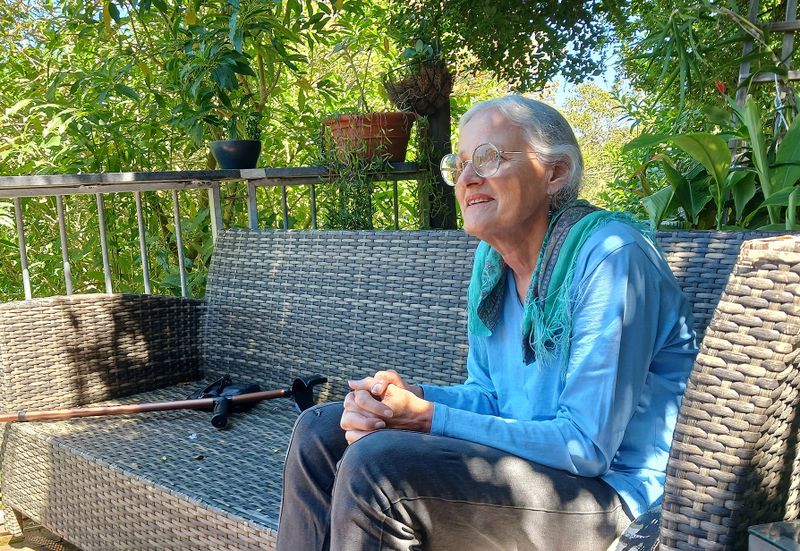
HEART FOR ART: Award-winning artist Annette Kamfer paints her way back after Parkinson’s diagnosis
After achieving international recognition for her watercolour paintings, acclaimed artist Annette Kamfer stepped away from art to focus on her health. Now she is back, and has brought her latest collection home to Nelson Mandela Bay.
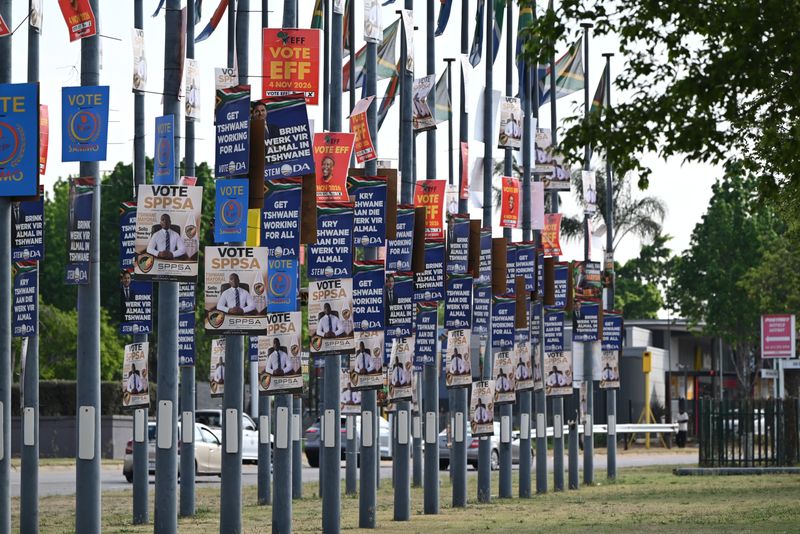
LOCAL ELECTIONS 2026: Ten critical questions as South Africa heads into high-stakes poll
With the ANC under intense pressure, the DA seeking gains and smaller parties eyeing roles as kingmakers, voters face a contest that could reshape municipal government.
Sanwo-Olu makes runaway appearance at Lagos Fashion Week (PHOTOS)
It is his second runway appearance. The post Sanwo-Olu makes runaway appearance at Lagos Fashion Week (PHOTOS) appeared first on Premium Times Nigeria.

EXCLUSIVE: Ebola: 34-year-old pilot, wife identified as suspected cases who tested negative in North-east Nigeria
The Nigeria Centre for Disease Control and Prevention (NCDC) on Saturday announced that two suspected Ebola cases had been identified in the North-east. The post EXCLUSIVE: Ebola: 34-year-old pilot, wife identified as suspected cases who tested negative in North-east Nigeria…

Top Stories
HEART FOR ART: Award-winning artist Annette Kamfer paints her way back after Parkinson’s diagnosis
LOCAL ELECTIONS 2026: Ten critical questions as South Africa heads into high-stakes poll
Sanwo-Olu makes runaway appearance at Lagos Fashion Week (PHOTOS)

Valkyries win WNBA title in their second season
EXCLUSIVE: Ebola: 34-year-old pilot, wife identified as suspected cases who tested negative in North-east Nigeria
Zuma to make first public appearance since hospital discharge

When youths move, society changes: The 2026 barricades, By Owei Lakemfa

Why war makes Ukraine media more determined than ever to hold power to account
Latest
HEART FOR ART: Award-winning artist Annette Kamfer paints her way back after Parkinson’s diagnosis
LOCAL ELECTIONS 2026: Ten critical questions as South Africa heads into high-stakes poll
Sanwo-Olu makes runaway appearance at Lagos Fashion Week (PHOTOS)
Valkyries win WNBA title in their second season
EXCLUSIVE: Ebola: 34-year-old pilot, wife identified as suspected cases who tested negative in North-east Nigeria
Zuma to make first public appearance since hospital discharge
When youths move, society changes: The 2026 barricades, By Owei Lakemfa
Why war makes Ukraine media more determined than ever to hold power to account