Chair skills, quick brain - how O'Neill adapted to wheelchair rugby league

"If you'd said to me when I was told I couldn't play rugby league again that it's going to be the best thing to ever happen to me, I'd have said 'you're lying'. But discovering wheelchair rugby league, which is even better, has been a blessing."
Rugby league has always been an important part of Finlay O'Neill's life. When he dislocated a knee while playing in a game at the age of 16, he put it down to the rigours of the sport.
The knee popped back into place but continued to cause issues, leaving the Halifax teenager struggling on the field and with increasing pain off it too.
After extensive medical tests, he was diagnosed with shallow kneecaps and hypermobility. His sporting hopes seemed to be over.
But after a lot of family encouragement, he transferred his skills to wheelchair rugby league with Halifax Panthers. Over the past three years, O'Neill has enjoyed a meteoric rise. Now he is part of the England squad who will be defending their Wheelchair Rugby League World Cup title in Australia.
"I think the first thing that really struck me was how similar the wheelchair game is in many ways to the running game," O'Neill, now 21, tells BBC Sport.
"From playing the running game, I had the rugby brain and skill - the ability to pass and see things happening, but I didn't have the physical skill of being able to move in a wheelchair, as I don't use one in my day-to-day life, and that was a big challenge.
"At the reserve or development level, if you've got good rugby knowledge, you can play the game, but you can't just rely on those skills in the Super League. You have to learn how to manipulate the chair and move it around the pitch.
"When you're playing a running sport, you just run and you don't really have to think about it, but in the wheelchair game, you've got to think at the same time about moving your chair to where you want to be, catching a ball, passing it and quickly moving on to the next play.
"At my first Super League training session, I was chasing the others, but playing against quick players means you have to get faster. It has taken a lot of hard work to go from having no chair experience to get up to the skill level of the top players."
Wheelchair Rugby League World Cup
30 October - 13 November
Wollongong, Australia
News and reports on the BBC Sport website
O'Neill earned his first England call-up in August 2025, playing in the Ashes series in Australia last October and November.
He was then selected alongside Halifax team-mates Jack Brown and Rob Hawkins in coach Tom Coyd's 10-player squad for the World Cup, to take place in Wollongong, south of Sydney.
England start their campaign against Wales on Friday (04:30 BST) before games against the USA and Ireland. Old rivals France, who England beat dramatically in the World Cup final four years ago, are in the other pool alongside Scotland, New Zealand and hosts Australia.
Brown and Hawkins were both part of the team who beat France in 2022 – a final O'Neill watched on television – and the trio helped a dominant Halifax claim a clean sweep of domestic honours for the second season in a row.
"Jack and Rob always say they're each other's biggest rivals and I say I'm the one trying to catch them," he says.
"From training together with Halifax and England, we have that connection and understanding on the pitch.
"One of my strengths is putting players through gaps and I am more of a playmaker than the one breaking through to score amazing tries.
"If I hold the ball a certain way, Jack knows I want him to run under me or go around me and it's the same with Rob.
"I don't necessarily need to talk to them on the pitch. It is just instinct."
O'Neill, who combines his sport with a job at a local supermarket, is one of five England World Cup debutants and is keen to justify the faith placed in him by Coyd and also his Halifax coach Wayne Boardman, who was part of the 2022 team.
"When I got the international call up last year, I said I would give it everything for the next two years to be in contention for the World Cup and I went for it and it has happened," he says.
"I think this is going to be the most competitive World Cup ever. With so many new players involved, it's a completely different sport to four years ago.
"We are very confident going to Australia. As a team we are not going out to defend the title, we are going to win it."
Wheelchair rugby league versus wheelchair rugby - what are the differences?
Wheelchair rugby league - the sport O'Neill plays - was developed in France as a way of bringing the sport to people with disabilities. It is fully inclusive, with disabled and non-disabled players able to play on the same team, and follows many of the same conventions as the running game.
Teams of five players have six tackles to score. Tackles on the ball carrier are made by pulling off an tag attached to each player's shirt. A try scores four points, with two points for penalties and conversions, which are taken by punching the ball off a tee over the posts.
The game is played with an oval ball and lasts for 80 minutes, with a maximum of two non-disabled and three disabled players allowed on the field at any one time.
Wheelchair rugby - which is part of the Paralympic Games programme, and is also known as murderball - is played by those with specific neurological and physical impairments including tetraplegia, cerebral palsy and amputations.
It is played by teams of four using a round ball like a volleyball, and a match consists of four eight-minute quarters.
Athletes are classified with a points system from 0.5 (highest level of impairment) up to 3.5. In international wheelchair rugby, the total number of points of all four athletes playing on court at any one time cannot exceed 8.0, unless there is a woman on the court, in which case the team are allowed an extra 0.5.
To score, an athlete must cross the opposing team's goalline in firm control of the ball. Two wheels must cross the goalline for a score to count. There are no conversions.
Unlike in the league version, no tackling is permitted in wheelchair rugby, but it is a full-contact sport, allowing collisions between players. Athletes must dribble or pass the ball every 10 seconds, with failure to do so resulting in the referee handing possession over to the opposing team.
Related topics
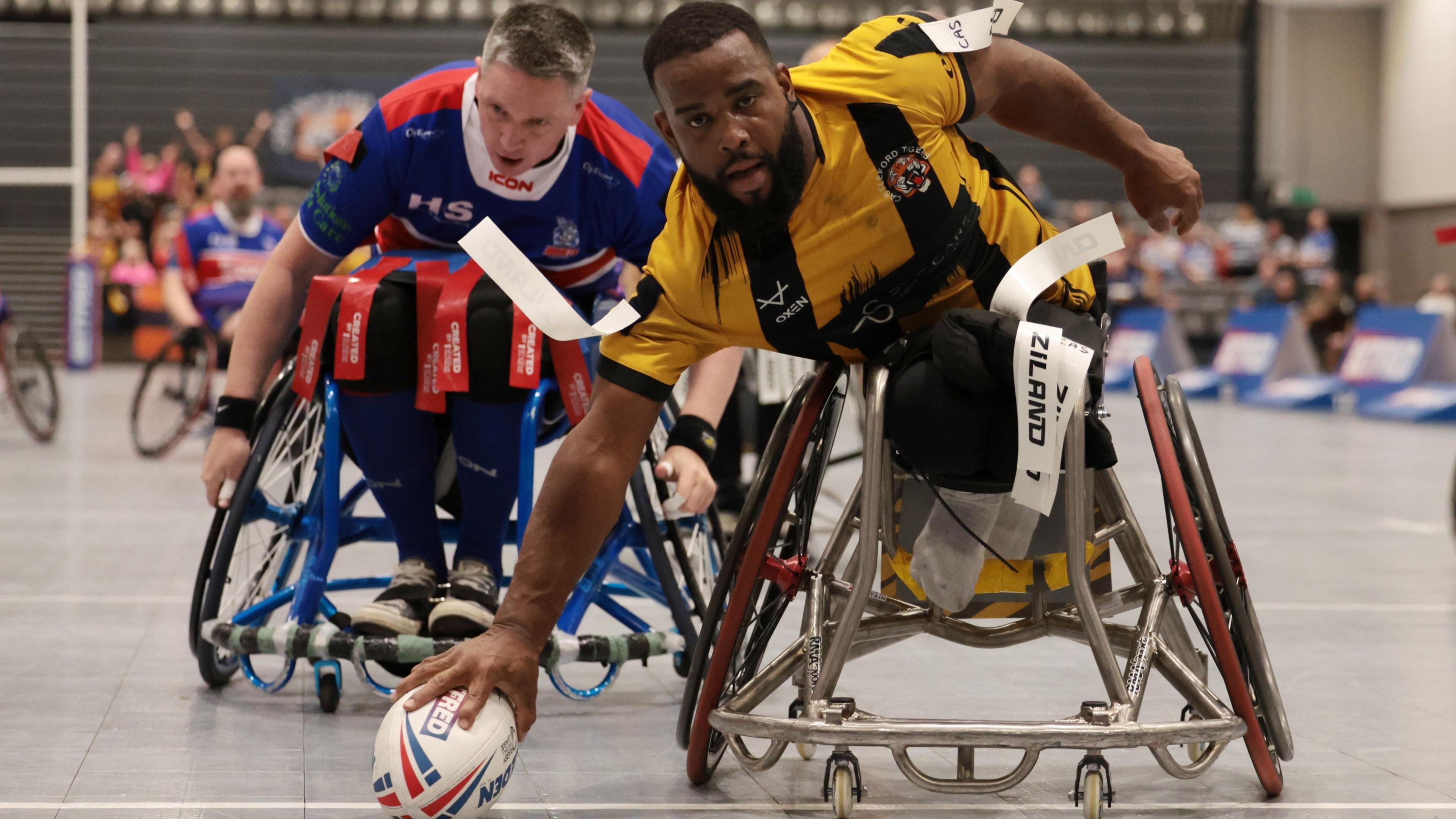
The Portugal basketballer turned England rugby player
- Published15 October 2025
The Portugal basketballer turned England rugby player
Hawkins among five World Cup winners in England squad
- Published21 September

Hawkins among five World Cup winners in England squad
Halifax crush Leeds to seal back-to-back trebles
- Published20 September

Halifax crush Leeds to seal back-to-back trebles
Related Topics
Keywords
Related Stories
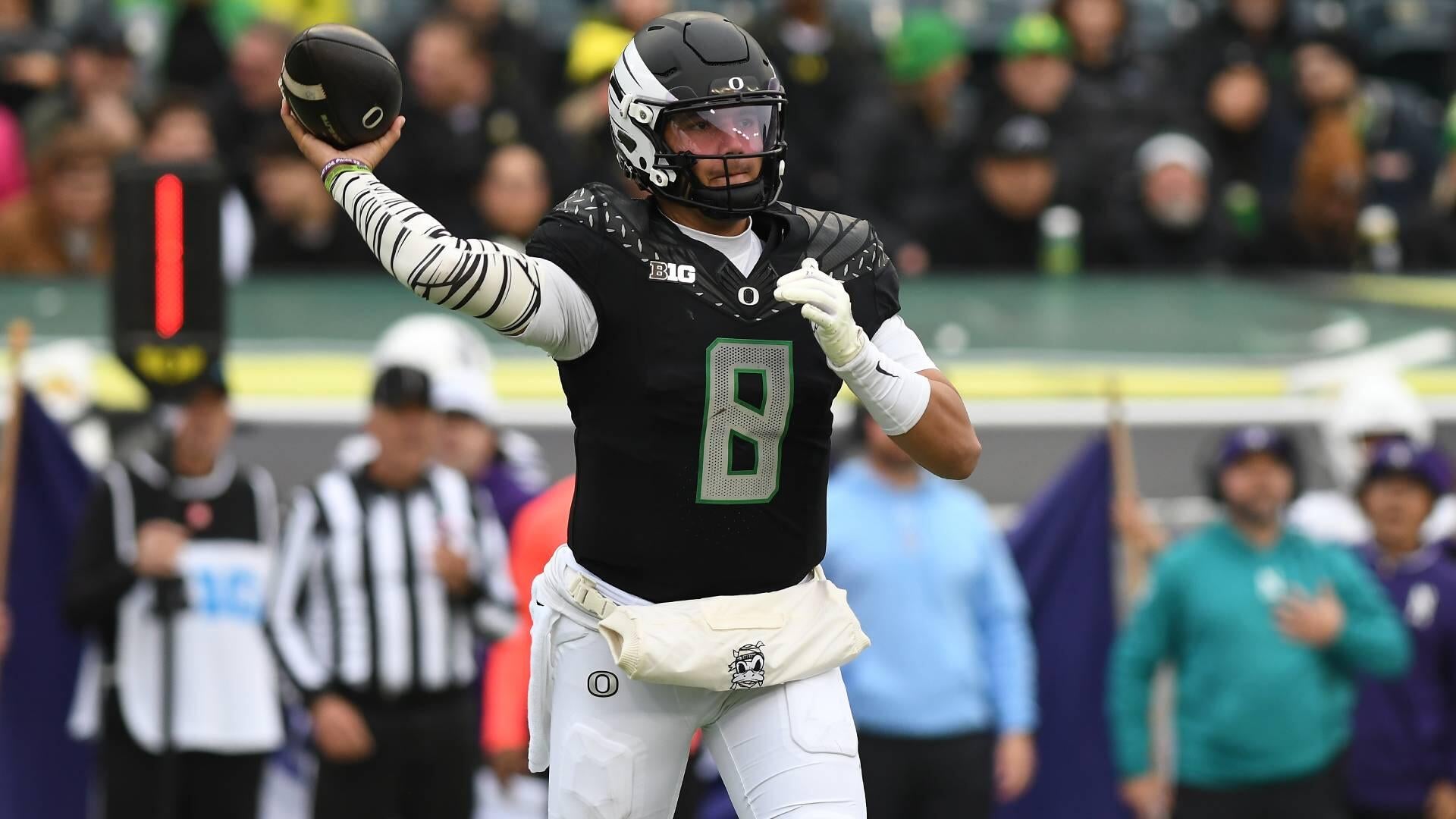
College football winners, losers: Oregon's Dylan Raiola bounces back, Wisconsin falls flat
Indiana escapes on a miracle field goal and Wisconsin gets blanked by Iowa as the early slate delivers chaos across the top 25
On 'tense' Antonelli's big weekend, this was Hamilton's day
As Kimi Antonelli bids to become F1's youngest world champion, veteran Lewis Hamilton rolled back the years to take his first Ferrari pole.

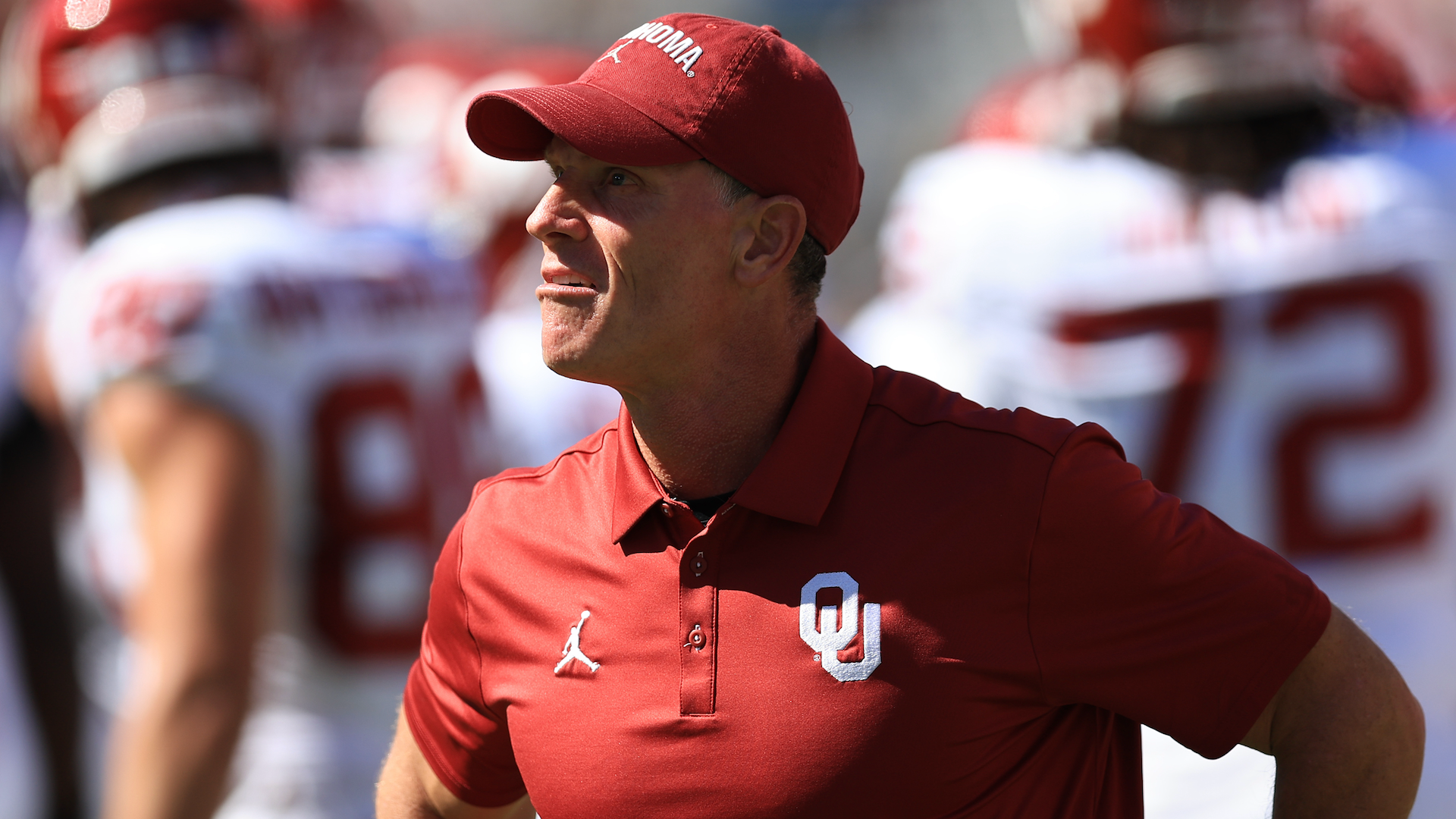
Oklahoma offense stuck in neutral: Loss to South Carolina highlights key decisions ahead for Brent Venables
Saturday's loss to South Carolina as a home favorite marked another disappointing outing for the John Mateer-Ben Arbuckle pairing before a fourth-quarter flurry
Georgia might have escaped Florida, but lingering passing-game concerns threaten title hopes
Georgia's defense and ground game have masked issues through the air, but tougher opponents could force the Bulldogs to open things up

Top Stories

Hamilton takes first pole for Ferrari at Mexico City Grand Prix

These firms you've never heard of are feeding fears the AI bubble could burst

How the downfall of Serbia's Vučiċ mirrored that of Hungary's Orbán
College football winners, losers: Oregon's Dylan Raiola bounces back, Wisconsin falls flat
On 'tense' Antonelli's big weekend, this was Hamilton's day

Thick fog to create hazardous driving conditions into next week
Oklahoma offense stuck in neutral: Loss to South Carolina highlights key decisions ahead for Brent Venables

No more washing up: How Airbnb's new house rules have divided hosts and guests
Latest
Hamilton takes first pole for Ferrari at Mexico City Grand Prix
These firms you've never heard of are feeding fears the AI bubble could burst
How the downfall of Serbia's Vučiċ mirrored that of Hungary's Orbán
College football winners, losers: Oregon's Dylan Raiola bounces back, Wisconsin falls flat
On 'tense' Antonelli's big weekend, this was Hamilton's day
Thick fog to create hazardous driving conditions into next week
Oklahoma offense stuck in neutral: Loss to South Carolina highlights key decisions ahead for Brent Venables
No more washing up: How Airbnb's new house rules have divided hosts and guests