Civil society groups demand methane crackdown ahead of 2027 elections

Civil society organisations working on environmental accountability and extractive industry governance have called on the Nigerian government to strengthen enforcement of methane regulations, improve access to emissions data and address environmental damage in oil-producing communities ahead of the 2027 general elections.
Join the Premium Times WhatsApp Community For Quick Access To News and Happenings Around You.
The organisations, under the methane emissions cohort of the Civil Society Expert Group on Gas (CSEGonG), said Nigeria’s methane governance framework had recorded progress but remained crippled by weak implementation, inadequate regulatory oversight and limited public access to credible emissions information.
They also raised concerns about the transparency and accessibility of environmental remediation funding following the introduction of Executive Order 9 of 2026, warning that changes to existing funding arrangements could weaken efforts to address longstanding environmental problems in oil-producing communities.
The concerns were in a communiqué issued after a stakeholder engagement convened in Abuja on 26 October by the Natural Resource Governance Institute (NRGI) and Africa Practice, in consultation with the Environmental Defense Fund.
The meeting brought together civil society organisations and researchers working on methane emissions, environmental accountability and energy transition to assess progress, identify gaps and develop a coordinated advocacy agenda.
The groups said the 2027 elections presented an opportunity to make methane governance a major issue in public policy debates, calling on civil society organisations to engage political candidates and institutions through nonpartisan, evidence-based advocacy.
The call coincides with a series of PREMIUM TIMES investigations documenting constant gas flaring, weak enforcement of anti-flaring regulations and the consequences of methane emissions for oil-producing communities.
Stay Ahead with Premium Times
Follow us on Google News and never miss breaking stories, investigations, and in-depth reporting.
In September, PREMIUM TIMES reported that oil companies continued to flare gas and emit methane despite Nigeria’s strengthened anti-flaring and methane reduction laws, with regulatory failures allowing violations to continue. A subsequent investigation published in October documented weaknesses in the Nigerian Upstream Petroleum Regulatory Commission’s enforcement of methane regulations and notable gaps in emissions measurement and disclosure.
Bille gas leaks raise accountability concerns
The organisations specifically highlighted the ongoing gas seepage in Bille, a riverine community in Degema Local Government Area of Rivers State, as an example of the need to strengthen community-level environmental monitoring and regulatory accountability.
PREMIUM TIMES reported in June that gas had continued escaping from abandoned oil and gas infrastructure in the community, threatening residents’ livelihoods and raising concerns about environmental contamination and public safety.
The situation subsequently took a tragic turn when Joy Amos, a 29-year-old woman who suffered severe burns in a gas explosion in Bille, died in September.
The civil society organisations called for improved community-led documentation of gas leaks, flaring incidents and emissions from abandoned or improperly decommissioned oil infrastructure.
They also asked authorities to provide clearer mechanisms through which affected communities could report environmental incidents, obtain investigations and secure remediation.
The groups called for an assessment of the implications of Executive Order 9 of 2026 for environmental remediation funding, arguing that the revised arrangements could weaken transparency, accessibility and accountability in the management of resources meant to address environmental damage.
The Petroleum Industry Act provides for an Environmental Remediation Fund to finance the rehabilitation or management of negative environmental impacts arising from petroleum operations. Its provisions allow regulators to apply the fund where operators fail or are unable to undertake the required remediation.
EU methane rules could affect Nigerian gas exports
The organisations also warned that Nigeria’s failure to improve methane measurement, reporting and verification could expose its oil and gas industry to commercial risks as international markets tighten environmental requirements.
They particularly cited the European Union’s methane regulations, which introduce monitoring, reporting and verification requirements for imported oil and gas from 2027.
According to the communiqué, Nigerian exporters seeking to maintain access to European markets would increasingly need to show credible emissions reporting and compliance with emerging requirements.
The groups said that capturing methane that would otherwise escape into the atmosphere or be flared could also provide economic benefits by recovering gas for commercial use, improving energy supply and reducing emissions.
They urged government agencies, petroleum operators and development partners to prioritise commercially viable methane capture and utilisation projects while ensuring compliance with environmental regulations.
Groups seek coordinated advocacy
The organisations further recommended that the Nigerian Upstream Petroleum Regulatory Commission, the Nigerian Midstream and Downstream Petroleum Regulatory Authority and other relevant institutions improve public access to emissions data, compliance records, enforcement actions and progress towards methane reduction commitments.
They called on civil society organisations to consolidate existing research and monitoring initiatives into a coordinated advocacy framework, with clear policy proposals on regulatory enforcement, environmental remediation, emissions disclosure, energy recovery and community protection.
READ ALSO: Methane Emissions: Ogun, FG intensify investigation in Ijebu-Ode, pledge lasting solution
The communiqué also identified the need to involve faith-based organisations, labour unions, professional associations and other influential groups in methane accountability campaigns.
It said existing expertise and monitoring initiatives were not being shared sufficiently among organisations, resulting in missed opportunities for collaboration and possible duplication of efforts.
The organisations recommended strengthening the use of independent emissions data and available monitoring technologies to help journalists, researchers and community groups scrutinise the activities of petroleum operators and regulators.
Members of the Methane Emissions Cohort of CSEGonG include: NRGI, Policy Alert, Paradigm Leadership Support Initiative, BudgIT Foundation, Stakeholder Democracy Network, We The People, Center for Environment, Human Rights and Development and Africa Practice.
Share this:
Discover more from Premium Times Nigeria
Subscribe to get the latest posts sent to your email.
Type your email…
Subscribe
GTCO launches directory for African textile makers, artisans
MultiChoice introduces new DStv, GOtv packages
Ekemini Simon
More News
Former Cross River PDP chair doubts party’s 2027 chances
Tinubu to embark on two-day official visit to Akwa Ibom, Rivers
Ex-Air Force spokesperson identifies ‘flaw’ affecting Nigeria’s multi-trillion naira defence budget
Six journalists begin six-month fellowship to scrutinise development efforts in Niger Delta
Governor orders probe of violence at APC presidential rally
Group calls for withdrawal of charges against Kaduna journalist
Keywords
Related Stories
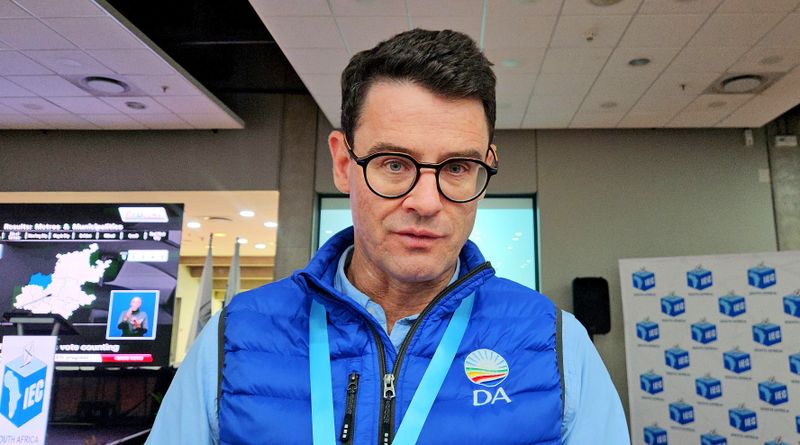
LOCAL ELECTIONS 2026: DA draws coalition red lines as Nelson Mandela Bay results take shape
With the DA leading the vote count in Nelson Mandela Bay, provincial leader Andrew Whitfield says the party is open to coalition negotiations but will not work with the EFF or MK party. He says good governance and service delivery, rather than positions and power, must guide any…
Gov Abiodun declares Ogun ready for state police
The governor described the establishment of state police as a critical step towards strengthening security, protecting investments and sustaining the state’s growing economic activities The post Gov Abiodun declares Ogun ready for state police appeared first on Premium Times…

Former Cross River PDP chair doubts party’s 2027 chances
Former Cross River PDP chairman Venatius Ikem questions the party’s ability to challenge the APC in 2027, describing its structures as fragmented and its Wike-backed presidential candidate, Sandy Onor, as politically invisible. The post Former Cross River PDP chair doubts…

Türkiye and SA look to a bigger future together
The Embassy of the Republic of Türkiye in Pretoria celebrated the 103rd anniversary of the proclamation of the Republic, spotlighting growing diplomatic and economic ties with South Africa.

Top Stories
LOCAL ELECTIONS 2026: DA draws coalition red lines as Nelson Mandela Bay results take shape

USMNT's Gold Cup path to look different as Concacaf unveils revamped group-stage format

Best horse racing betting sites: Where to bet on horse racing
Gov Abiodun declares Ogun ready for state police
Former Cross River PDP chair doubts party’s 2027 chances

Cowboys stars reject George Pickens trade talk ahead of NFL deadline
Türkiye and SA look to a bigger future together

Firms told to publish salaries in job adverts ahead of new law
Latest
LOCAL ELECTIONS 2026: DA draws coalition red lines as Nelson Mandela Bay results take shape
USMNT's Gold Cup path to look different as Concacaf unveils revamped group-stage format
Best horse racing betting sites: Where to bet on horse racing
Gov Abiodun declares Ogun ready for state police
Former Cross River PDP chair doubts party’s 2027 chances
Cowboys stars reject George Pickens trade talk ahead of NFL deadline
Türkiye and SA look to a bigger future together
Firms told to publish salaries in job adverts ahead of new law