Clean water still out of reach for Tshwane residents after contamination crisis
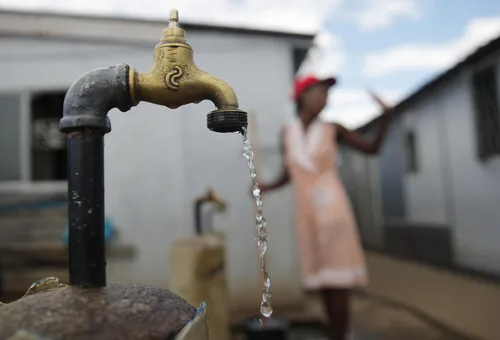
More than 800 cases of gastrointestinal illness have been reported in parts of Tshwane following a water contamination crisis, while residents continue to struggle to access enough clean water for drinking, cooking and washing.
The City of Tshwane is facing mounting pressure to restore safe water supplies after a contamination crisis linked to 833 reported cases of gastrointestinal illness, with affected residents saying inadequate water tanker deliveries are making daily life increasingly difficult.
The outbreak has affected communities including Zithobeni, Bronkhorstspruit, Dark City, Rethabiseng and Sokhulumi.
A joint government statement initially reported 408 cases of gastrointestinal illness between October 7 and 18, with most of those affected being children under the age of four.
The number of reported cases has since increased to 833, with three residents remaining in hospital.
The Bronkhorstspruit Water Treatment Works has been identified as a major contributor to the outbreak after the City of Tshwane failed to chlorinate water before it was supplied to residents.
The city also failed to inform residents that the water was not chlorinated.
It has since suspended the head of the treatment plant pending an investigation into the incident.
The crisis has raised serious questions about municipal oversight, water safety and the city's ability to provide residents with reliable access to clean drinking water.
Tshwane Mayor Dr Nasiphi Moya said the city's Water Management Committee continued to co-ordinate and monitor interventions to address the water challenges.
In an update, Moya said progress had been made in commissioning the Bronkhorstspruit Water Treatment Works and expanding access to safe drinking water in Hammanskraal.
“We have reached an important milestone in commissioning the Bronkhorstspruit Water Treatment Works, with treated water successfully reaching the plant's final clear water tank,” she said.
Moya said Rand Water and the city's Water and Sanitation Business Unit had restored water flow from the raw water abstraction point through the treatment and filtration systems, followed by chlorination, to the final clear water tank.
The water was being used to flush and clean the sump floor, while shock chlorination was being carried out to disinfect the system.
She said samples collected on Wednesday had been submitted to Rand Water's laboratory for testing, with results expected soon.
The next stage would involve filling the storage reservoir with treated water and conducting further shock chlorination over 24 to 48 hours.
Additional samples would be collected and sent for laboratory testing to determine whether the system was ready for the next phase of commissioning.
However, Moya cautioned that the plant was still undergoing commissioning and water-quality checks.
“Once the remaining commissioning procedures have been successfully completed and laboratory testing has confirmed compliance with the required drinking-water standards, we will be able to begin restoring safe water supply to affected communities,” she said.
She also revealed that complications at Fountains had delayed efforts to restore the groundwater supply to Findlay Reservoir.
Meanwhile, the water-quality clearance of the Cullinan hydrant had allowed the city to expand water deliveries to informal settlements in Region 7.
“This has enabled us to provide two additional days of water deliveries, today (Thursday) and this coming Sunday, over and above the normal distribution schedule,” Moya said.
The normal water distribution schedule in Region 7 was expected to resume the following week.
The city has also deployed nine additional water tankers to Ekangala following complaints from residents about inadequate water supplies during the contamination crisis.
Moya announced the intervention on Monday night after IOL reported on residents' concerns about the existing tanker service.
Some households said they were struggling to access enough water for drinking, cooking and washing, while others complained that tankers were not reaching all streets.
The city has also introduced measures to regulate private water tanker operators supporting its emergency water distribution programme.
It said independent private tanker operators must obtain municipal verification and authorisation before distributing water.
The city said their vehicles must be presented at the Commando Building in Bronkhorstspruit for verification and water-quality testing by environmental health practitioners.
“The Tshwane Metro Police Department (TMPD) will conduct compliance checks to ensure that operators meet the necessary requirements,” the city said.
The measures were intended to protect residents while allowing private-sector partners to continue supporting emergency water provision.
The crisis has also drawn criticism from President Cyril Ramaphosa, who described the contamination incident as unacceptable and said it exposed serious weaknesses in the city's water operations.
“What has happened in Bronkhorstspruit is a complete dereliction of the work and the duties that the municipality of Tshwane was supposed to be executing,” Ramaphosa said in Mamelodi on Monday.
“And it is really sad and unacceptable that in the end it leads to diseases that are going to spread amongst our people.”
Meanwhile, the city has lifted a boil-water advisory for Pretoria's central business district after laboratory tests confirmed that the water was safe to drink.
Related Topics
Keywords
Related Stories
HEART FOR ART: Award-winning artist Annette Kamfer paints her way back after Parkinson’s diagnosis
After achieving international recognition for her watercolour paintings, acclaimed artist Annette Kamfer stepped away from art to focus on her health. Now she is back, and has brought her latest collection home to Nelson Mandela Bay.
LOCAL ELECTIONS 2026: Ten critical questions as South Africa heads into high-stakes poll
With the ANC under intense pressure, the DA seeking gains and smaller parties eyeing roles as kingmakers, voters face a contest that could reshape municipal government.
Sanwo-Olu makes runaway appearance at Lagos Fashion Week (PHOTOS)
It is his second runway appearance. The post Sanwo-Olu makes runaway appearance at Lagos Fashion Week (PHOTOS) appeared first on Premium Times Nigeria.

EXCLUSIVE: Ebola: 34-year-old pilot, wife identified as suspected cases who tested negative in North-east Nigeria
The Nigeria Centre for Disease Control and Prevention (NCDC) on Saturday announced that two suspected Ebola cases had been identified in the North-east. The post EXCLUSIVE: Ebola: 34-year-old pilot, wife identified as suspected cases who tested negative in North-east Nigeria…

Top Stories
HEART FOR ART: Award-winning artist Annette Kamfer paints her way back after Parkinson’s diagnosis
LOCAL ELECTIONS 2026: Ten critical questions as South Africa heads into high-stakes poll
Sanwo-Olu makes runaway appearance at Lagos Fashion Week (PHOTOS)

Valkyries win WNBA title in their second season
EXCLUSIVE: Ebola: 34-year-old pilot, wife identified as suspected cases who tested negative in North-east Nigeria
Zuma to make first public appearance since hospital discharge

When youths move, society changes: The 2026 barricades, By Owei Lakemfa

Why war makes Ukraine media more determined than ever to hold power to account
Latest
HEART FOR ART: Award-winning artist Annette Kamfer paints her way back after Parkinson’s diagnosis
LOCAL ELECTIONS 2026: Ten critical questions as South Africa heads into high-stakes poll
Sanwo-Olu makes runaway appearance at Lagos Fashion Week (PHOTOS)
Valkyries win WNBA title in their second season
EXCLUSIVE: Ebola: 34-year-old pilot, wife identified as suspected cases who tested negative in North-east Nigeria
Zuma to make first public appearance since hospital discharge
When youths move, society changes: The 2026 barricades, By Owei Lakemfa
Why war makes Ukraine media more determined than ever to hold power to account