Climate adaptation funding falling far short of what countries need
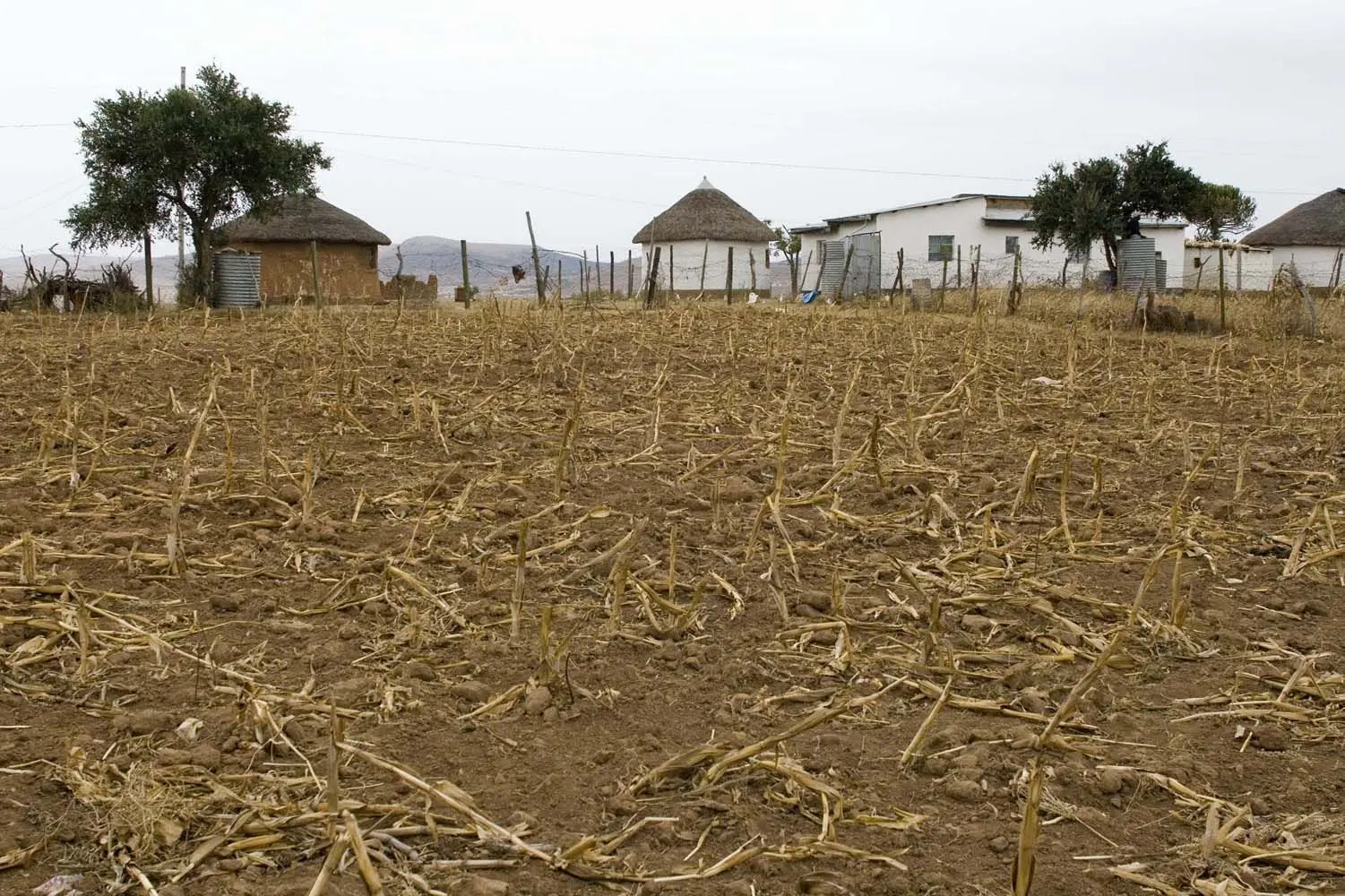
This year’s heatwaves, droughts, wildfires and floods illustrate the growing human and economic costs of climate change, according to the United Nations Environment Programme (Unep).
“These impacts fall disproportionately on vulnerable populations, such as those of least developed countries and small island developing states, where adaptive capacity and access to resources are often most constrained,” the UN agency said in its 2026 Adaptation Gap Report.
Released on Wednesday ahead of the COP31 climate summit in Türkiye, the report says countries need to do more to prepare for the effects of climate change, but the money available to help them is falling far short of what is required.
It estimates that developing countries will need about $305 billion a year by 2035 to adapt to climate impacts, rising to $420 billion by 2035 when inflation is taken into account.
Yet international public funding from developed to developing countries reached only between $28.2 billion and $31.7 billion in 2024 - just $1 billion more than the previous year.
Even if the COP30 call to triple adaptation finance by 2035 is met, it would cover only 20% to 29% of developing countries’ estimated needs.
The picture is somewhat better for least developed countries and small island states. Tripling funding to these countries could cover between 49% and 84% of their estimated adaptation needs.
Funding to these particularly vulnerable countries increased in real terms between 2019 and 2024, but has fallen since its peak in 2022.
The report also questions the growing reliance on loans to fund climate adaptation. In 2024, loans accounted for 55% of adaptation finance to developing countries, compared with 44% provided as grants. About half of all lending was on less favourable, commercial terms.
This matters because many developing countries are already struggling with debt. The report said grants and loans offered on favourable terms are particularly important for the poorest and most vulnerable countries.
There are some signs of progress. The Glasgow Climate Pact commitment to double adaptation finance from 2019 levels to about $40 billion by 2025 could still be met. Multilateral development banks are also likely to have increased their funding significantly in 2025.
Financial support between developing countries is growing too, rising from $3.8 billion in 2019 to $9.6 billion in 2024. However, this funding does not count towards the commitments made by developed countries to support developing nations.
More money alone will not be enough, according to the report. Governments also need to improve the way they plan and deliver climate adaptation, with clearer responsibilities, better coordination between departments, public participation and stronger systems to track whether policies are working.
It also warns that even the best adaptation measures cannot prevent all the harm caused by climate change. Some losses become unavoidable when people, communities and ecosystems reach the limits of their ability to cope.
Between 2020 and 2025, low and middle income countries accounted for 99% of the 765 million people recorded as affected by floods and landslides.
But the report cautions that disaster records provide an incomplete picture of the damage, with underreporting and gaps in monitoring making it difficult to establish the full extent of the impacts and attribute them to human-caused climate change.
The damage is not only financial. Climate change can also affect people’s mental health, cultural heritage, biodiversity and the ecosystems on which communities depend. These losses are difficult to measure in monetary terms and are often overlooked in assessments.
Countries are also struggling to secure funding to deal with losses and damage that cannot be avoided. In the first funding round of the fund for responding to Loss and Damage, 119 developing countries submitted requests totalling $2.8 billion, far exceeding the fund’s initial allocation of $342 million.
According to the report, countries need more reliable financial and technical support, simpler application procedures and greater capacity to assess the damage they are experiencing. Communities affected by climate change should also have a meaningful say in how support is provided.
Keywords
Related Stories
BATTLE PLAN: Erasmus unleashes full-strength Springboks to crush Italy in Nations Championship
Rassie Erasmus named a powerful team to face Italy in Turin on Saturday, which will be led by Siya Kolisi.

HERITAGE & IDENTITY OP-ED: Voices of Knoflokskraal — belonging and everyday survival on contested land
Legal disputes often obscure human realities. In Knoflokskraal near Grabouw, personal accounts of ancestral connection, practical care, and community building bring vital nuance to a complex land debate.

PAINT POWER: Gqeberha artist turns vandalised mural into an ocean-themed second chance
Gqeberha muralist Muneeb Wassin has answered the vandals who defaced his Bayworld mural in the language he knows best: paint.

REFUND WRANGLE: Hospitality agency enters business rescue amid R48m ticket claim scandal
After undelivered tickets for sporting events left it facing refund demands and significant financial pressure, Leisure Connexion has entered voluntary business rescue.
Top Stories
HERITAGE & IDENTITY OP-ED: Voices of Knoflokskraal — belonging and everyday survival on contested land
PAINT POWER: Gqeberha artist turns vandalised mural into an ocean-themed second chance
REFUND WRANGLE: Hospitality agency enters business rescue amid R48m ticket claim scandal
BATTLE PLAN: Erasmus unleashes full-strength Springboks to crush Italy in Nations Championship

Paraguay President Santiago Peña resigns after bank collapse

No budget resolution reached yet, says O'Neill
VIDEO: EFF looks to ward victories to rebuild trust in eThekwini

Greece: Students march in Athens demanding more education funding
Latest
HERITAGE & IDENTITY OP-ED: Voices of Knoflokskraal — belonging and everyday survival on contested land
PAINT POWER: Gqeberha artist turns vandalised mural into an ocean-themed second chance
REFUND WRANGLE: Hospitality agency enters business rescue amid R48m ticket claim scandal
BATTLE PLAN: Erasmus unleashes full-strength Springboks to crush Italy in Nations Championship
Paraguay President Santiago Peña resigns after bank collapse
No budget resolution reached yet, says O'Neill
VIDEO: EFF looks to ward victories to rebuild trust in eThekwini
Greece: Students march in Athens demanding more education funding