Could the Big Ten turn to NFL-style scheduling model? Ohio State AD Ross Bjork hints at change
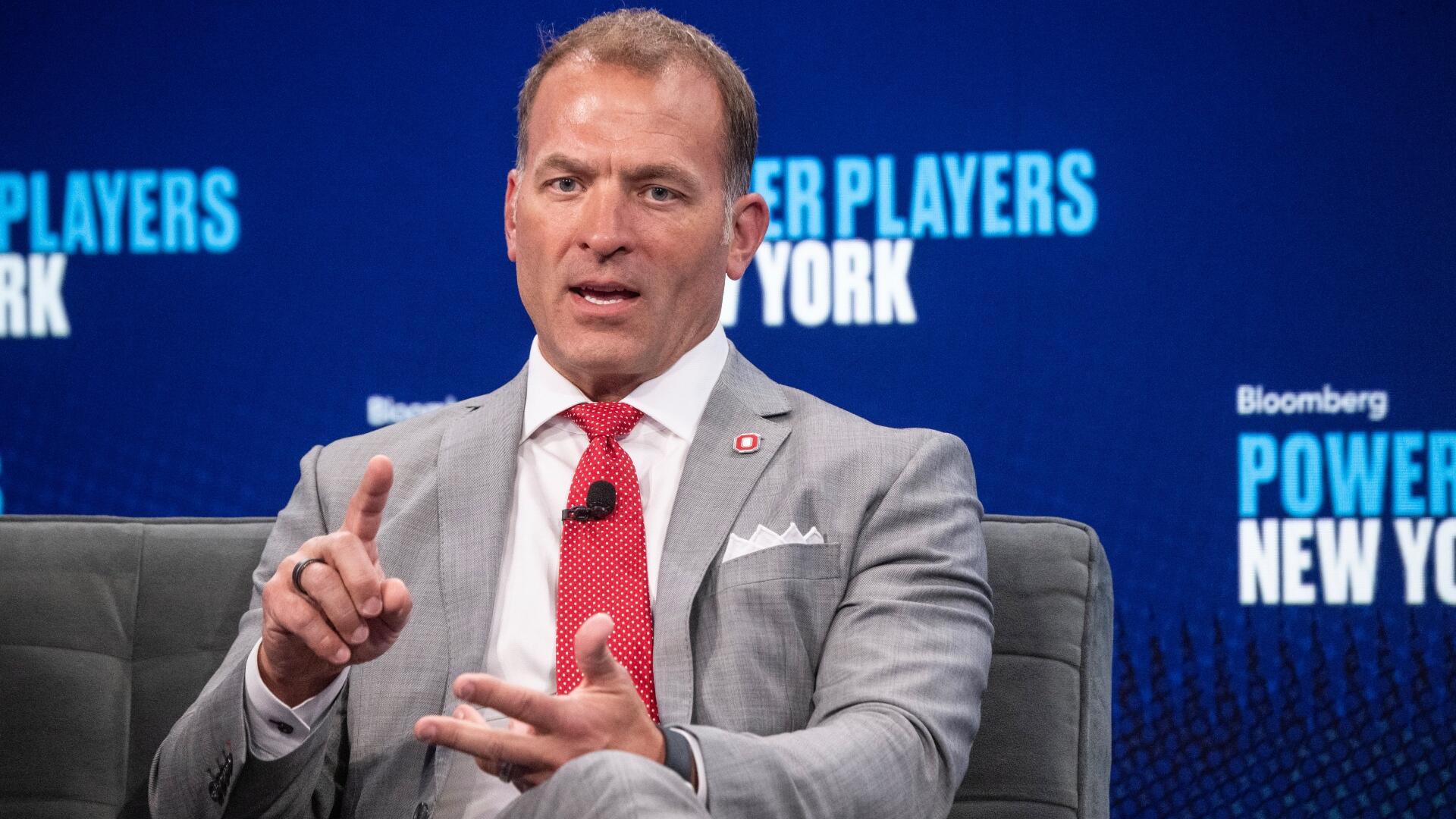
The Big Ten has already adopted what amounts to a salary cap in college athletics, and now it might take another step toward mimicking the NFL with its approach to scheduling. Ohio State athletic director Ross Bjork said the conference is looking at a results-based scheduling model.
Bjork joined "The Ryan Day Show" on 97.1 The Fan and shared some insight about discussions around scheduling. Bjork noted that -- when the Big Ten first expanded to include the West Coast teams -- scheduling rotations were based upon historical records in football.
Well, teams like Indiana are in a very different place now than they were even five years ago.
"They looked at historical rotations over the course of everyone's football life," Bjork said. "Indiana was not what Indiana is today when they set the model. Same thing with UCLA."
Bjork said changes could begin with the 2028 season, explaining that opponents wouldn't be set in stone until after the 2027 campaign. The Big Ten would use a dynamic scheduling model, like the NFL's, based on the previous season's results. Worse teams would get more favorable slates. Better teams would get tougher matchups.
The one major difference is that the Big Ten would ensure key rivalries, like Ohio State vs. Michigan, remain in place every year.
"So, next year's schedule, we would not know who we're playing, other than protecting the rivalry games," Bjork said. "Obviously, we have the biggest one. Other than that, the rest of the schedule could be based on how the teams finished the previous year. That's how the NFL does it."
Bjork said a new model is required due to the parity created by NIL and the transfer portal. A dynamic scheduling model could be a more equitable way to balance strength of schedule across the league.
"We're having active conversations that we need to change the way we schedule," Bjork said. "... There's a lot more parity in the system."
One potential flaw in adopting the NFL's model is that current transfer portal and NIL rules allow limitless player movement every offseason. That creates much more volatility from one season to the next, unlike in the NFL, where multi-year contracts create more roster stability.
It's an intriguing idea, though, and scheduling will be a hot topic with the 24-team College Football Playoff arriving soon.
Big Ten evaluating NFL scheduling model for 2028, Ohio State AD says Austin Nivison 1 min read
Six pack: Picks for Georgia-Florida, Ohio State-USC, more Tom Fornelli 9 min read
Clemson's offensive freefall has no end in sight under Dabo Swinney Richard Johnson 4 min read
Grading all 25 second-year college football coaches across the country Shehan Jeyarajah 6 min read
Ohio State's Jaylen McClain proving 'dark side' instincts run deep Brandon Marcello 5 min read
Colorado QB Julian Lewis hospitalized after medical emergency Austin Nivison 2 min read
Week 9 Top 25 upset alert: Five favorites to watch on Saturday Brad Crawford 4 min read
Lane Kiffin taken aback by afternoon kickoff time for LSU vs. Alabama Austin Nivison 2 min read
Sam Houston fires Phil Longo after 3-17 start across two seasons Shehan Jeyarajah 1 min read
Big Ten adopts $49 million NIL spending cap for each school Austin Nivison 2 min read
Related Topics
Keywords
Related Stories
Bowen double helps Cardiff beat pointless Ospreys
Cardiff lift themselves back into the top half of the United Rugby Championship (URC) by defeating Ospreys 26-0 in a scrappy Welsh derby at St Helen's.

Are De Zerbi's Spurs finding elusive consistency?
Are Spurs finally finding elusive consistency under Roberto de Zerbi after a third successive Premier League win, asks chief football writer Phil McNulty?

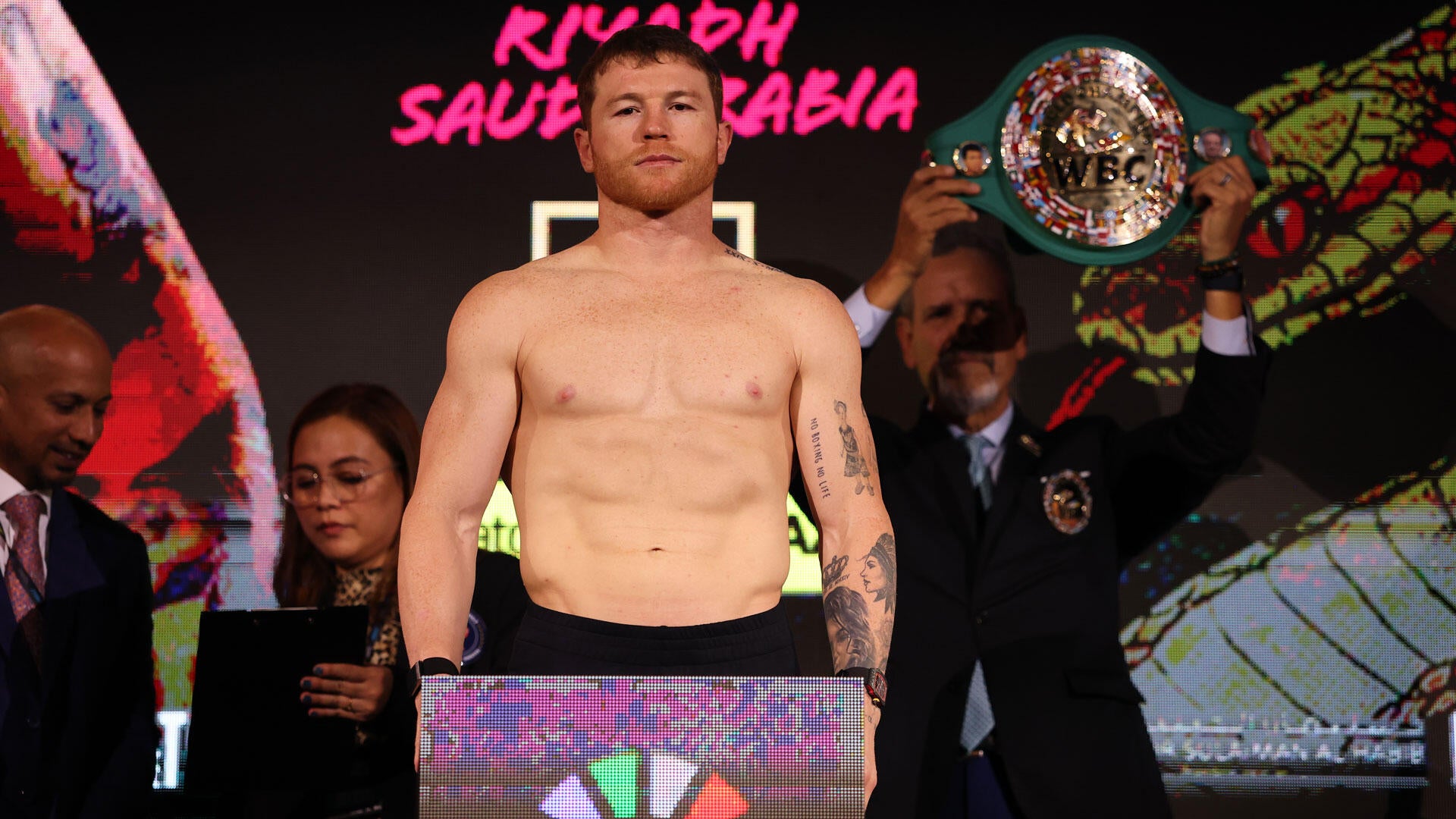
Canelo Alvarez vs. Christian Mbilli fight stream: Where to watch live online, start time, card and PPV price
Complete viewing information for the WBC super middleweight title bout on Saturday in Saudi Arabia
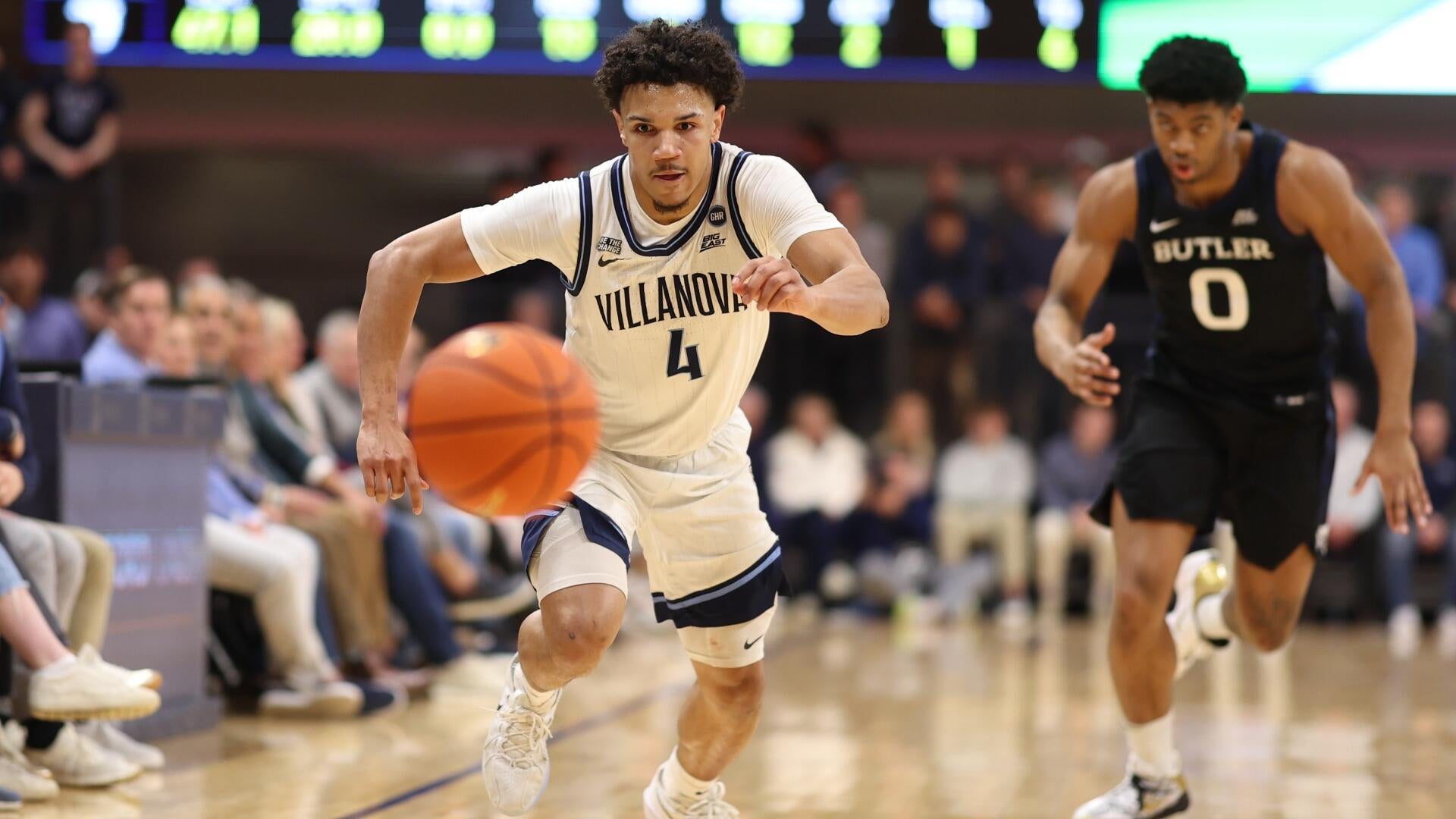
Villanova vs. Notre Dame betting: Odds, preview, picks, start time for Sunday college basketball from Rome
The Eternal City Tip-Off in Rome pits Villanova against Notre Dame to start the 2026-27 college basketball season
Top Stories

Group seeks end to health workers’ absenteeism in PHCs

Catholic diocese, CAN reject inclusion of clerics in APC campaign list
Bowen double helps Cardiff beat pointless Ospreys
Are De Zerbi's Spurs finding elusive consistency?

Fireworks and fancy dress bring Derry's 40th Halloween celebrations to close
Canelo Alvarez vs. Christian Mbilli fight stream: Where to watch live online, start time, card and PPV price
Villanova vs. Notre Dame betting: Odds, preview, picks, start time for Sunday college basketball from Rome

Tinubu hails EFCC after FBI praises role in sextortion arrests
Latest
Group seeks end to health workers’ absenteeism in PHCs
Catholic diocese, CAN reject inclusion of clerics in APC campaign list
Bowen double helps Cardiff beat pointless Ospreys
Are De Zerbi's Spurs finding elusive consistency?
Fireworks and fancy dress bring Derry's 40th Halloween celebrations to close
Canelo Alvarez vs. Christian Mbilli fight stream: Where to watch live online, start time, card and PPV price
Villanova vs. Notre Dame betting: Odds, preview, picks, start time for Sunday college basketball from Rome
Tinubu hails EFCC after FBI praises role in sextortion arrests