Country Economic Update: Electrifying Zimbabwe’s Growth Through Reliable and Universal Energy Access
-
 linkedin
-
 digg
-
 renren
-
 stumbleupon
-
 delicious
-
 sina
linkedin
digg
renren
stumbleupon
delicious
sina
STORY HIGHLIGHTS
Zimbabwe hopes to achieve the high economic growth rates needed to move toward upper middle-income status by 2030, but to achieve this it will be critical to realize stable and reliable electricity access, according to the latest Zimbabwe Economic Update (ZEU). Zimbabwe’s power shortages are estimated to cost the country a total of 6.1% of GDP per year, comprising 2.3% of GDP in generation inefficiencies and excessive network losses and 3.8% of GDP on the downstream costs of unreliable energy.
Despite some recent achievements, Zimbabwe’s electricity sector still faces major challenges. The country still suffers from significant power deficits. In 2020, the available generation capacity was 1,585 MW compared with a peak demand of 1,900 MW, forcing power outages of 12–14 hours a day. While the government commissioned an additional 600 MW at the Hwange power station in 2023, installed capacity is still insufficient to meet demand, and rolling blackouts significantly burden Zimbabwe’s economic growth and competitiveness. The pace of rural electrification has slowed down. Between 2014 and 2020, overall energy access expanded from 32 to 53%, driven by a rapid rise in access in rural areas (from 8 up to 37%).
“The electricity deficits have been weighing on the economy, particularly in mining, by reducing the margins of existing operations and on the feasibility evaluations for expansions and new projects. The shortages also affect the agriculture and agro-processing sectors by undermining irrigation, cold chain, and storage facilities. Tourism is also affected by the disruption of essential services. These effects translate into lower economic growth and household incomes,” says Victor Steenbergen, Senior Country Economist for the World Bank in Zimbabwe,.
Peak electricity demand is projected to grow substantially, and achieving universal electricity access will require large investments, especially in solar power and grid expansion. Medium-term World Bank projections suggest that electricity demand will grow from 1,950 MW in 2022 to 5,177 MW by 2030, driven primarily by increasing demand from the mining and agriculture sectors. Achieving universal access by 2030 will require annual connections to increase from 25,000 in 2020 to about 537,000 annually.
“Estimates for least-cost generation expansion indicate that, in the short-to-medium term (2024–26), utility-scale home solar systems would be the fastest units to provide additional capacity, adding more than 1,500 MW that would ensure the system can meet growing demand,” says Joel Maweni, Energy Consultant and co-author of the Zimbabwe Economic Update.
Subsequently, generation expansion efforts would comprise gas power plants, hydropower, and more solar. The associated grid network expansion to 2030 is estimated to cost $4.4 billion. While the government is planning to expand electricity access through various sources, it remains unclear how the investment needed will be financed. The biggest planned increase in electricity supply comes from the Batoka Gorge Project along the border with Zambia (1,200 MW for Zimbabwe) projected for completion after 2034, and the Devil’s Gorge (1,200 MW) to be completed by 2040.
“Financing electricity expansion from domestic resources alone will be challenging, so there is an urgent need to involve more private investors and the international development community,” says Christopher Saunders, World Bank Senior Energy Specialist.
The ZEU provides some recommendations to help attain the government’s ambitious targets to achieve reliable and universal energy access by 2030:
The ZEU finds that Zimbabwe’s interconnected problems of electricity supply and access are ultimately driven by three underlying issues: weak financial performance of energy companies, insufficient central planning and coordination, and limited private sector participation. The weak financial state of Zimbabwe’s electricity companies is the most significant issue driving the country’s power supply deficits and slowing the expansion of universal access to electricity services. Energy tariffs do not reflect the financial costs of energy generation and distribution, leading to significant losses for power companies. The inefficiencies of the utility companies complicate this.
High debt servicing costs also burden energy companies. Insufficient revenues and high debt lead to cashflow shortages, which in turn constrain the companies from investing in new generation, transmission, and distribution assets, including in access expansion; attracting private sector investment and commercial financing for the sector’s investment plan; adequately maintaining existing assets; and forcing them to import power from neighboring countries to satisfy electricity demand consistently
RELATED
DOWNLOAD
Zimbabwe Economic Update - Electrifying Growth through Reliable and Universal Energy Access: Issue 4
Originally published and reported by World Bank Group.
Read original coverage on World Bank GroupRelated Topics
Keywords
Related Stories
Labubu hype seemed unstoppable, now the fluffy monster mania is dying
Parent company Pop Mart's revenue has fallen as appetite for the quirky collectible monsters wanes.

Can New Zealand's new government win over disillusioned voters?
Polling shows the mood among Kiwis is low, with faith in politics even lower - with voters deserting the main parties at the polls.

'My mortgage is going up £200': How rising interest rates are hitting people's pockets
With UK interest rates set to rise, mortgages, credit cards and loans could get more expensive for millions.

Why the US midterms sparked an AI stock selloff
Fears of more AI regulation appear to have sparked fear among investors, but concerns about the industry have been growing for some time.

Top Stories

Billam-Smith stopped as Clarke repeats amateur win

Ambika Mod says the 'glass ceiling is always getting higher' for South Asian actors

The rise of microdramas: The 'snackable' shows made for the scrolling age

Can the Zelda remake capture the magic of the original?

'Dana, please take the job!' - Trump asks UFC boss to be White House press secretary
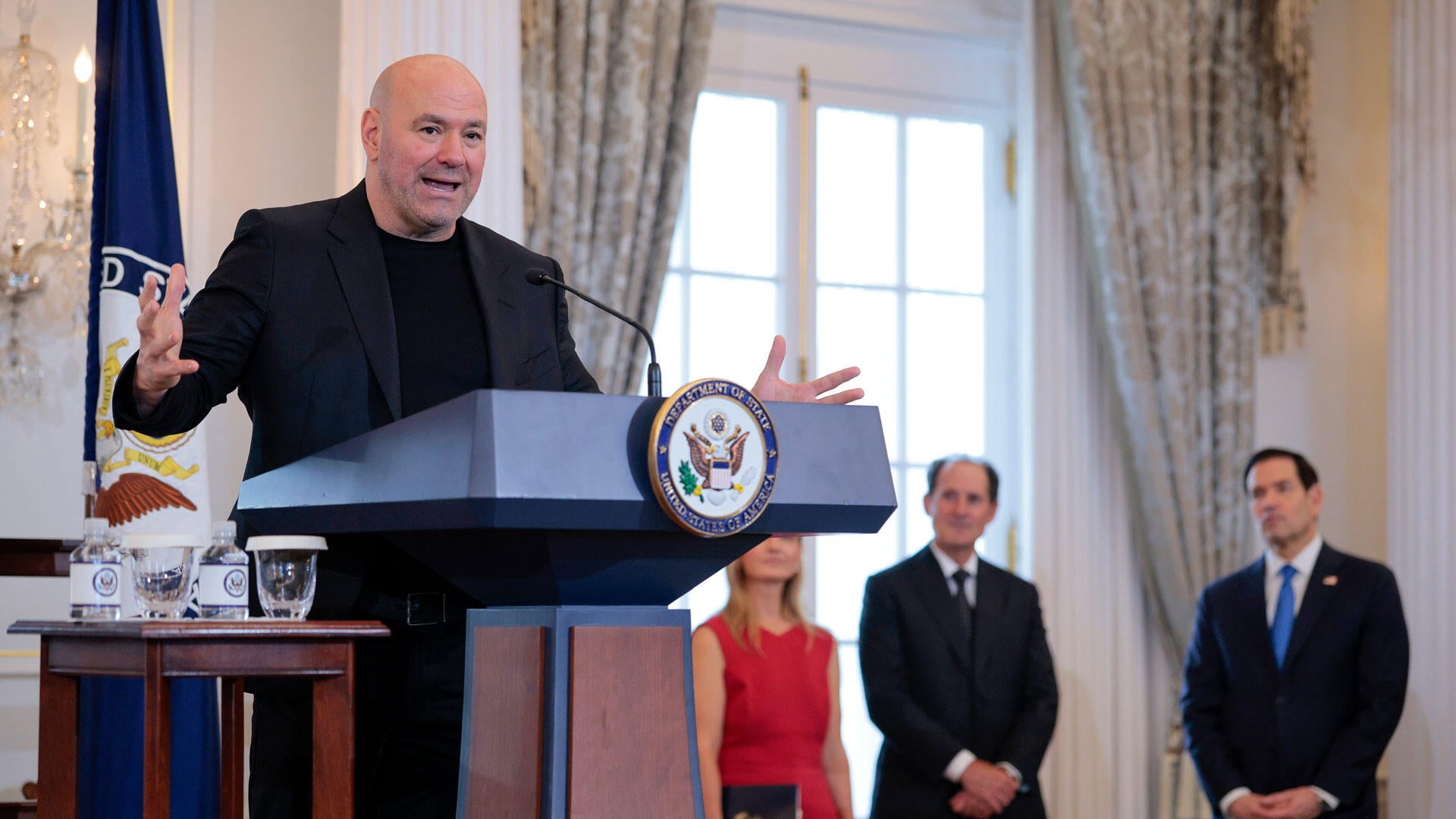
Dana White next White House press secretary? UFC boss set for meeting with President on Monday

'The worst conditions in my 35-year career' - commentating in the FA Cup fog

'Curtains for Robinson' or can floundering Aberdeen boss survive?
Latest
Billam-Smith stopped as Clarke repeats amateur win
Ambika Mod says the 'glass ceiling is always getting higher' for South Asian actors
The rise of microdramas: The 'snackable' shows made for the scrolling age
Can the Zelda remake capture the magic of the original?
'Dana, please take the job!' - Trump asks UFC boss to be White House press secretary
Dana White next White House press secretary? UFC boss set for meeting with President on Monday
'The worst conditions in my 35-year career' - commentating in the FA Cup fog
'Curtains for Robinson' or can floundering Aberdeen boss survive?