Day of the African Child 2026 - Ensuring Universal Access To Water, Sanitation And Hygiene For Every Child In Africa - PMNCH


The Day of the African Child (DAC) was launched by the Assembly of Heads of State of the Organization of African Unity (OAU) in 1991 to be commemorated on 16 June each year. The DAC pays tribute to the 1976 student uprising in Soweto, South Africa, which resulted in the killings of students who demonstrated against the poor quality of education they received and demanding to be taught in their own language by the apartheid regime. Over the years, the Day has been an opportunity for all stakeholders and actors involved in the protection and promotion of children's rights in Africa to come together, to consolidate common goals and to tackle the obstacles that stand in the way of achieving an Africa fit for its children.
As guardian of the African Charter on the Rights and Welfare of the Child (the African Children’s Charter/ACRWC), the African Committee of Experts on the Rights and Welfare of the Child (ACERWC/Committee) has spearheaded the commemoration of the DAC since 2002. The ACERWC is an Organ of the African Union established in accordance with articles 32 and 33 of the ACRWC mandated to promote and protect the rights and welfare of the child in Africa and monitor its implementation. Each year, the Committee identifies a relevant theme for the Day, which is further adopted by the Executive Council of the AU, organizes and coordinates activities and events to commemorate the Day at continental level.
For 2026, the theme of the Day of the African Child is “Ensuring universal access to water, sanitation and hygiene for every child in Africa.” This theme aligns with the African Union Theme of the Year 2026: “Assuring sustainable water availability and safe sanitation systems to achieve the goals of Agenda 2063,” adopted by the Assembly of Heads of State and Government at its 38th Ordinary Session held in February 2025 in Addis Ababa, Ethiopia and at its 39th Ordinary Session held on 14 February 2026, in Addis Ababa, Ethiopia. The African Union’s focus on water and sanitation for 2026 reflects growing continental recognition that sustainable water resource management is central to Africa’s economic growth, industrialisation, employment creation and social transformation. Achieving the AU’s broader vision of building robust, competitive and climate-resilient economies depends on the effective planning, development and management of Africa’s water resources, as articulated in the Africa Water Vision 2025, the AU Agenda 2063, and related continental commitments, including the Sharm El-Sheikh Declaration on Water and Sanitation, the Malabo Declaration on agricultural transformation, and other AU and AMCOW policy frameworks aimed at strengthening water security, food production, climate resilience and sustainable livelihoods. In this context, African leaders dedicated 2026 to water and sanitation, recognising that improving sustainable water availability and sanitation systems is essential for advancing inclusive socio-economic development and safeguarding the well-being and future of Africa’s children. This is evidenced in the crucial policy document, the Africa Water Vision 2063 & Policy (AWVP63), which will serve as the primary strategic framework to achieve water security on the continent.
Recognising the central importance of water, sanitation and hygiene (WASH) to children’s survival, development and well-being, as well as the critical link between access to WASH services and the realisation of all child rights, the ACERWC, during its 46th Ordinary Session, adopted a child-centred theme for the Day of the African Child 2026. This theme aims to highlight the specific implications of water insecurity for children and to elevate children’s rights to water, sanitation, and hygiene within continental policy discussions. Through this theme, the Committee seeks to galvanise renewed commitments by Member States, development partners and stakeholders to accelerate progress toward universal, equitable, climate-resilient and child-responsive WASH systems, for children across Africa, with particular attention to children living in rural areas, informal settlements, humanitarian contexts and climate-vulnerable regions, enabling all children in Africa to survive, learn, grow and thrive.
Related Topics
Keywords
Related Stories
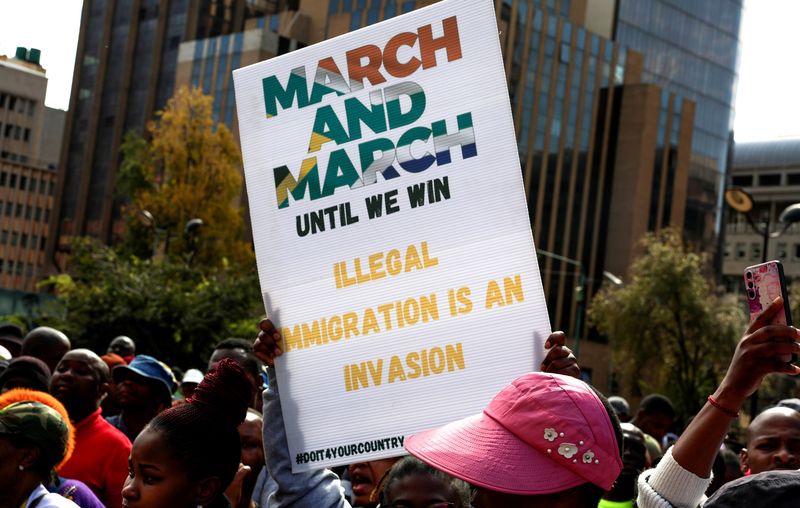
DIGITAL POLITICS OP-ED: The anti-foreigner movement squares up to the state in run-up to elections
From xenophobic campaigning to farm attacks and coordinated influencer messaging, political factions sharpen their attacks on the government and rivals before the 4 November local elections.
Afghanistan asks US to act responsibly on deporting Afghan immigrants back home
The Afghan Taliban government asked the United States to act responsibly when deporting Afghan immigrants back home, the Afghan foreign ministry said on Monday, adding that Kabul was prepared to engage constructively with Washington on the issue.

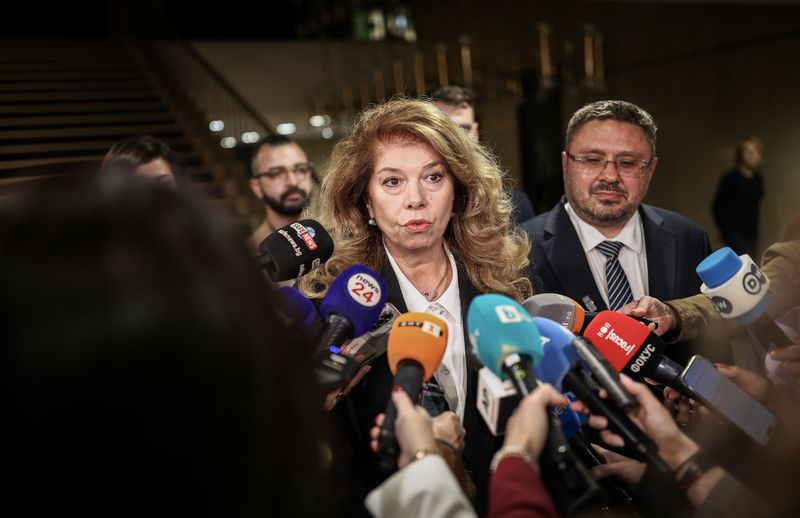
Bulgaria’s Iotova wins presidential runoff, near-final results show
Bulgaria's acting President Iliana Iotova won the presidential runoff election, near-final results from the Central Election Commission showed on Monday, becoming the country's first elected female head of state amid low voter turnout.
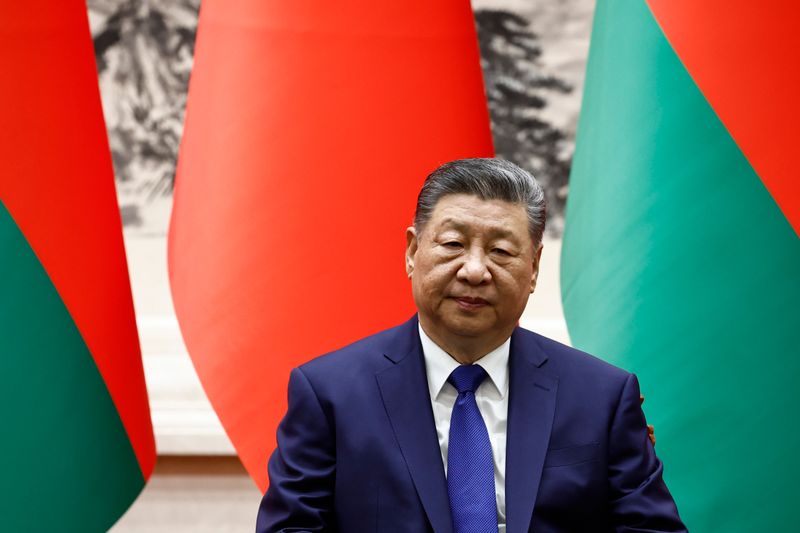
China’s Xi says Middle East should not become battleground for great power rivalry
The Middle East and Gulf region should not become a battleground for great-power rivalry and China is willing to work with Arab nations to achieve lasting peace, Chinese President Xi Jinping told Oman's sultan on Monday
Top Stories
DIGITAL POLITICS OP-ED: The anti-foreigner movement squares up to the state in run-up to elections
Afghanistan asks US to act responsibly on deporting Afghan immigrants back home
Bulgaria’s Iotova wins presidential runoff, near-final results show
China’s Xi says Middle East should not become battleground for great power rivalry

PZ Cussons shareholders approve N9.926bn dividend payout
Martin Meyer urges KZN special voters to turn out for local elections
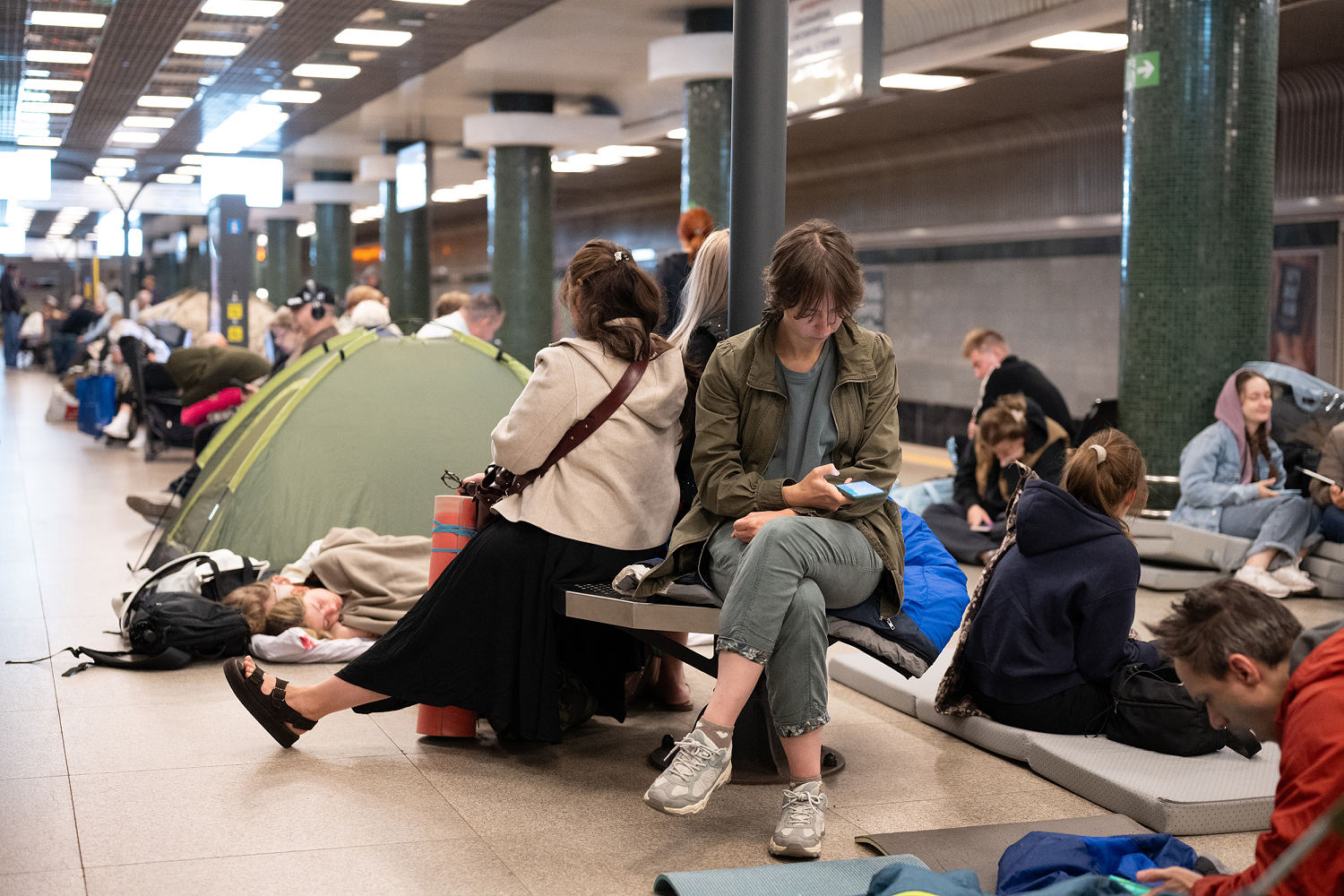
Fake alerts warn of nuclear danger as Ukraine and Russia report emergency app hacks
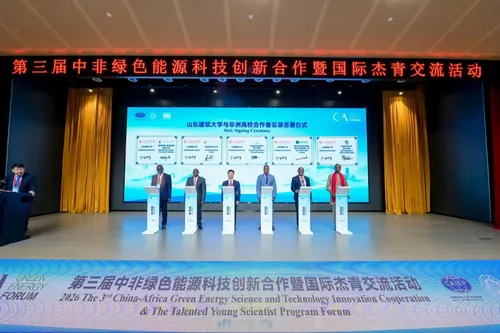
China-Africa green energy forum strengthens research ties in Jinan

Latest
DIGITAL POLITICS OP-ED: The anti-foreigner movement squares up to the state in run-up to elections
Afghanistan asks US to act responsibly on deporting Afghan immigrants back home
Bulgaria’s Iotova wins presidential runoff, near-final results show
China’s Xi says Middle East should not become battleground for great power rivalry
PZ Cussons shareholders approve N9.926bn dividend payout
Martin Meyer urges KZN special voters to turn out for local elections
Fake alerts warn of nuclear danger as Ukraine and Russia report emergency app hacks
China-Africa green energy forum strengthens research ties in Jinan