Delft residents eat dry bread as power problems persist

Delft South residents say they want action before the November 4 local government elections. “Before we vote, we first want help,” one resident says.
An 86-year-old woman cooking over an open fire and a pensioner eating dry bread to take her medication are among Delft residents demanding answers over electricity problems that some say have persisted for six years.
With the November 4 local government elections approaching, residents of Ivoorhout Street in Delft South say repeated appeals for help have brought no lasting solution.
One woman has been living without electricity for six months, while another fears exposed wiring could set her home alight.
“Before we vote, we first want help,” said Isobel Klein, 56, who said she had lived in the area for 30 years.
“Before we vote, we first want help,” said Isobel Klein, 56, who said she had lived in the area for 30 years.
Klein said she had repeatedly contacted councillors for help but had yet to see a resolution.
“I have sent emails to the councillors, but it seems every route I take to get assistance falls on deaf ears,” she said.
Without electricity, basic household tasks have become more difficult and expensive.
“We live off SASSA and struggle to buy candles, paraffin, and gas daily. School clothes need to be washed and ironed; food needs to be made. Yet, we remain in the dark. It’s not right,” Klein said.
She said the prolonged outage had left her doubtful that the electricity would be restored despite her efforts to report the problem.
“I pay my rates, but we can’t even get assistance. Things will change if we get a new councillor,” she said.
Ward candidate Neil Eindhoven said he is determined to assist residents who have been failed by empty promises.
Another resident, who asked not to be named, said she was 86 and had expected to live more comfortably in her later years.
Instead, she said, preparing food had become a daily struggle.
“How can we live like this? How can they just do nothing for us? I have to make food on a fire. I thought I would be living comfortably in my house, but no,” she said.
She also described feeling frustrated by what she regarded as dismissive responses when she sought assistance.
“I sit in the dark, and when I ask people for assistance, they have such bad attitudes, like we did this to ourselves,” she said.
Her account echoed the concerns of other residents who said they had sought help but remained without reliable electricity.
Hendalene Bosch, 62, said her electricity problems had persisted for six years.
She described disconnected wiring at her home and other cables running across the property, which she feared could cause a fire.
“My house’s wires were cut off, and now illegal wires run all over my house. If the wires burn, my house will go up in flames. We have tried everything to get help, but no one listens,” Bosch said.
Bosch, who said she takes chronic medication, described struggling to prepare meals.
“I have to eat dry bread so I can take my medication,” she said.
The residents’ accounts highlight how electricity problems affect daily household tasks, including cooking, washing clothes and managing already limited incomes.
Residents in Ivoorhout Street in Delft have been without electricity for six months.
People’s Movement for Change representative Neil Engelbrecht said residents’ frustration reflected years of promises without lasting improvements.
Engelbrecht alleged that illegal connections from a nearby informal settlement were disrupting the electricity supply to Ivoorhout Street and surrounding roads.
“This whole street (Ivoorhout) is currently without electricity. People from the informal settlement have even tapped into the substation. There are a further nine roads without electricity because of this,” he said.
These allegations have not established the technical cause or full extent of the reported outages.
The City of Cape Town has previously identified Delft as an Eskom electricity supply area, while distinguishing its own responsibility for maintaining municipal streetlights.
Engelbrecht said repeated disappointment over service delivery had weakened residents’ interest in voting.
“People are not interested in voting simply because of the promises they are fed. While our party tells us not to make promises, my promise is that I will fight until the bitter end to help our community,” he said.
Residents expressed different views on how they would approach the election.
Klein's message to those seeking residents’ votes was clear.
“Before we vote, we first want help,” she said.
Keywords
Related Stories
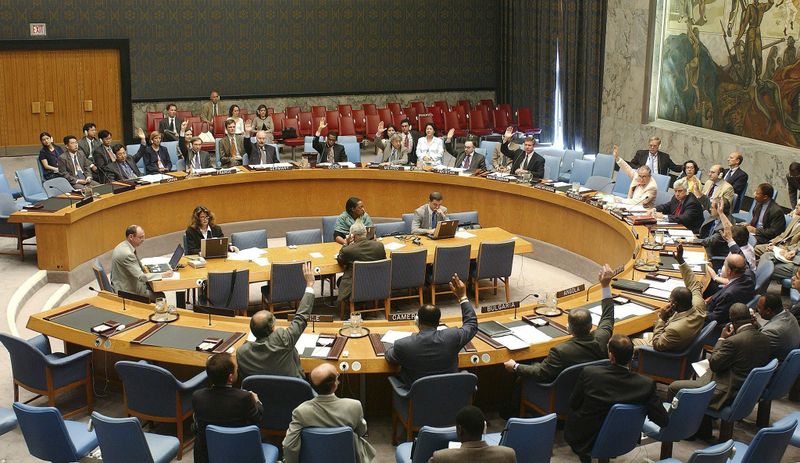
UN peacekeeping mission in Western Sahara ends after 35 years, UN chief says
Nov 1 (Reuters) - The 35-year-old UN peacekeeping mission in the Western Sahara region will come to an end after the Security Council failed to renew its mandate, the UN chief said on Sunday.
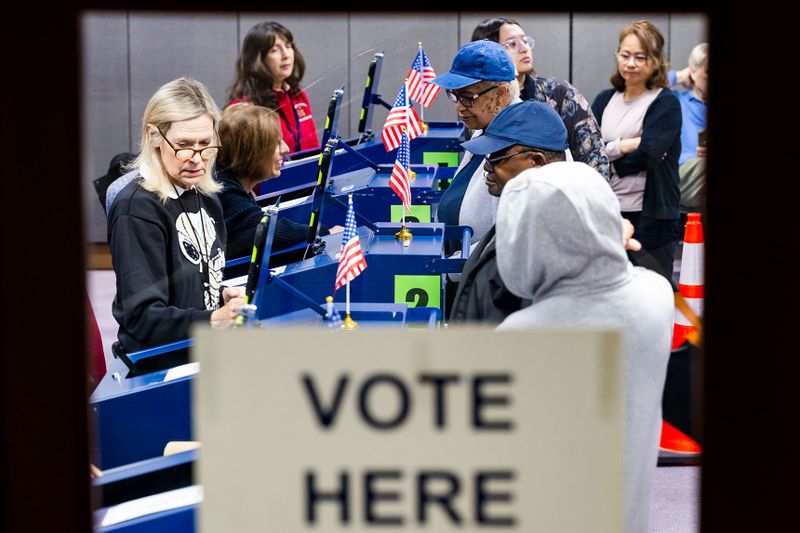
CONGRESS IN THE BALANCE: A blue tsunami, a tide, or chaos as usual — the US midterm election
With just hours to go before the American midterm election takes place, the day before South Africa’s own local election, control of both houses of the American Congress hangs in the balance.
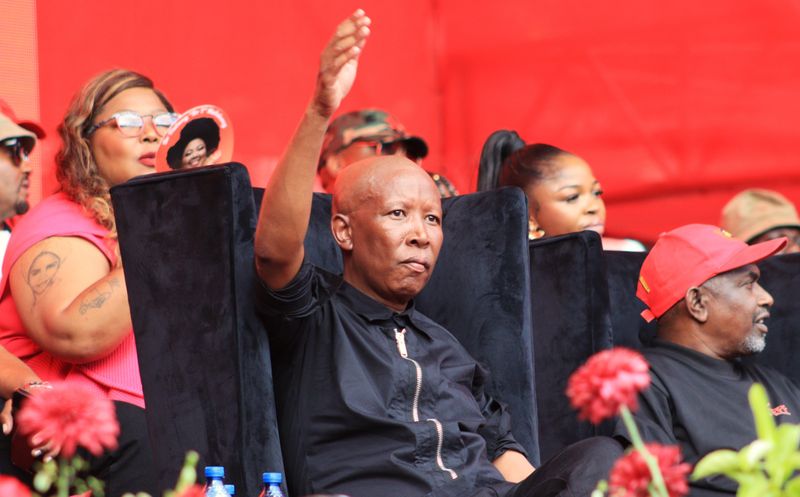
DIVISIVE WORDS: ‘We never called for literal killing’ — Malema appeals for farm killings to stop.
EFF leader Julius Malema says the chant “Kill the boer, kill the farmer” was never meant literally and has appealed for farm killings to stop.
TRC ROULETTE : Victims’ families place key hidden evidence before Khampepe inquiry
A physical inspection of old lever arch files by the legal team representing the families of apartheid victims at the Khampepe Commission strengthens Anton Ackermann’s claim that a disputed 2006 memo was forged, reshaping the Khampepe inquiry into delayed apartheid prosecutions.

Top Stories
UN peacekeeping mission in Western Sahara ends after 35 years, UN chief says

Week 8 overreactions: Time for Vikings to bench Kyler Murray? Colts should fire Steichen?

NFL Week 8 winners and losers: Cowboys suffer epic collapse, Joe Burrow delivers historic heroics

How Antonelli 'blew everyone away' to make Formula 1 history

Why is Ashton Jeanty not getting carries? Another Raider emerges as Vegas' top RB in Week 8

Russia and Ukraine accuse each other of hacking emergency alert apps

NFL Week 8 grades for every team: Cowboys get an 'F' for choking, Steelers surge to 'A+'

Ukraine air raid app apparently hacked as users receive false radiation threat, Air Force says
Latest
UN peacekeeping mission in Western Sahara ends after 35 years, UN chief says
Week 8 overreactions: Time for Vikings to bench Kyler Murray? Colts should fire Steichen?
NFL Week 8 winners and losers: Cowboys suffer epic collapse, Joe Burrow delivers historic heroics
How Antonelli 'blew everyone away' to make Formula 1 history
Why is Ashton Jeanty not getting carries? Another Raider emerges as Vegas' top RB in Week 8
Russia and Ukraine accuse each other of hacking emergency alert apps
NFL Week 8 grades for every team: Cowboys get an 'F' for choking, Steelers surge to 'A+'
Ukraine air raid app apparently hacked as users receive false radiation threat, Air Force says