East African Autocrats Blame “Outsiders” for Popular Discontent

Council on Foreign Relations
ShareBy experts and staff
PublishedApril 28, 2026 5:13 p.m. Michelle GavinCFR ExpertRalph Bunche Senior Fellow for Africa Policy Studies
Last week, Tanzania’s government-appointed Commission of Inquiry handed over its report on the 2025 post-election violence to President Samia Suluhu Hassan. While some Tanzanians expressed appreciation that the state was finally willing to acknowledge that 518 people were killed (the report’s death toll was likely a significant undercount), the exercise missed the mark if it was intended to restore trust or bolster accountability.
The integrity of the report was doomed from the start. An incumbent supposedly elected with an eye-rolling 98 percent of the vote hand-picked the officials charged with investigating the bloody crackdown on post-election protests. President Samia had already claimed, without evidence, that the protests were orchestrated by shadowy, foreign-backed entities bent on overthrowing the government, and her chosen commissioners largely reinforced this narrative of blaming citizens for, among other things, “lack of patriotism.” Somehow the critical question of who did the killing was evaded, despite numerous reports and video evidence of security forces firing on unarmed civilians. Instead, the focus of the state remains firmly on the “organizers of chaos,” and it is plain that plans for future judicial proceedings will not include accountability for security forces. Adding insult to injury, the report was handed over to the president but not made available to the public.
Samia’s advisors were quick to paint the exercise as one contributing to national healing and unity, and to assert that international investors should feel reassured and confident in the country going forward. But ultimately, the message sent by the Commission of Inquiry is the same message sent by the country’s farcical election results: citizens just need to get with the program, as defined by the elites in charge. The authorities have written the script, and everyone else is to play their part, or else. It’s an attempt to control popular will and events that finds expression in censorship, internet shutdowns, co-option, and intimidation.
In Uganda, it’s also a message sent by proposed legislation, the “Protection of Sovereignty” bill. Masquerading as an attempt to flush out manipulative foreign influences, the draft law uses vague language to criminalize an astonishingly wide range of activity, and even manages to classify Ugandan citizens residing outside of Uganda as “foreigners.” This effort to control Ugandans’ speech and association is manifestly about isolating and undermining civil society, and Ugandans know it. Social media is filled with comments expressing contempt for the government’s power grab, while others allege that the real aim of the bill is to silence opposition leader Bobi Wine, who was forced to flee the country in the face of death threats and security forces’ invasion of his home when he dared to challenge President Museveni at the ballot box.
Perhaps it is unsurprising that two governments so closely associated with transnational repression, so willing to detain and threaten activists and dissidents traveling within the region, are so fixated on the idea of nefarious foreign plots. But it’s plain to see that rather than protecting their societies from external manipulation, they are focused on protecting themselves. Ugandans are fed up with corruption. Tanzanians are appalled by state-sponsored violence. Even if their leaders sealed off their countries and shut down the internet forever, they would still confront popular opposition to the status quo. Museveni and Samia know this; it’s why Uganda deploys the military around Kampala on election day and why Tanzania refused to let prominent opposition figures on the ballot. The contradiction between the script these leaders prefer, in which subversive foreigners are the real problem, and the reality, of their aggrieved societies demanding change, cannot be reconciled. Museveni and Samia have reasons to fear change agents. They just can’t seem to accept that the call is coming from inside the house.
Council on Foreign Relations
Michelle GavinCFR ExpertRalph Bunche Senior Fellow for Africa Policy StudiesRelated Topics
Keywords
Related Stories
Ebola: No new cases in Nigeria as two suspected cases in North-east test negative
Details obtained exclusively by PREMIUM TIMES revealed that a 34-year-old pilot and his wife, a medical doctor, are the two people suspected of having Ebola virus disease in Adamawa State, North-east Nigeria. The post Ebola: No new cases in Nigeria as two suspected cases in…

Ebola: Saudi Arabia suspends travel to Kenya, halts visa issuance
The Saudi Press Agency (SPA) announced the measures in a statement published on its official X account on Friday, 30 October, saying they followed epidemiological assessments by the country’s health authorities The post Ebola: Saudi Arabia suspends travel to Kenya, halts visa…

Group seeks end to health workers’ absenteeism in PHCs
“Our expectation is that the government and other policymakers will take renewed action to ensure that these interventions are implemented across the state,” the group's coordinator said. The post Group seeks end to health workers’ absenteeism in PHCs appeared first on Premium…

Catholic diocese, CAN reject inclusion of clerics in APC campaign list
PREMIUM TIMES reports that the APC in the state had included Mr Obodo and many other Christian clerics in the party's governorship campaign council. The post Catholic diocese, CAN reject inclusion of clerics in APC campaign list appeared first on Premium Times Nigeria.

Top Stories

Hamilton takes first pole for Ferrari at Mexico City Grand Prix

These firms you've never heard of are feeding fears the AI bubble could burst

How the downfall of Serbia's Vučiċ mirrored that of Hungary's Orbán

College football winners, losers: Oregon's Dylan Raiola bounces back, Wisconsin falls flat

On 'tense' Antonelli's big weekend, this was Hamilton's day

Thick fog to create hazardous driving conditions into next week
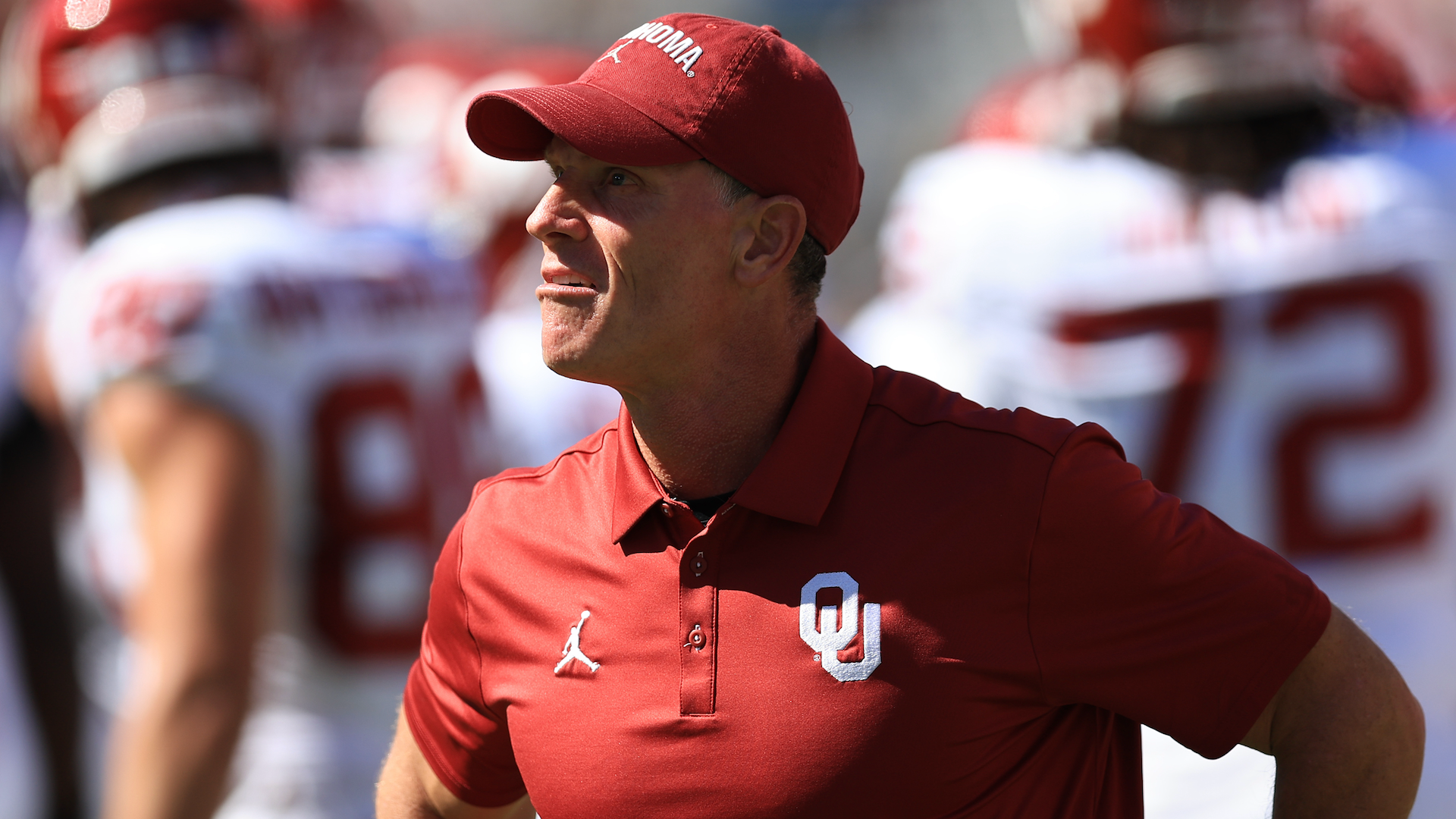
Oklahoma offense stuck in neutral: Loss to South Carolina highlights key decisions ahead for Brent Venables

No more washing up: How Airbnb's new house rules have divided hosts and guests
Latest
Hamilton takes first pole for Ferrari at Mexico City Grand Prix
These firms you've never heard of are feeding fears the AI bubble could burst
How the downfall of Serbia's Vučiċ mirrored that of Hungary's Orbán
College football winners, losers: Oregon's Dylan Raiola bounces back, Wisconsin falls flat
On 'tense' Antonelli's big weekend, this was Hamilton's day
Thick fog to create hazardous driving conditions into next week
Oklahoma offense stuck in neutral: Loss to South Carolina highlights key decisions ahead for Brent Venables
No more washing up: How Airbnb's new house rules have divided hosts and guests