Europe heatwave made possible by climate change, scientists say


Europe's latest record-breaking heatwave would have been virtually impossible without human-caused climate change, according to a new rapid attribution study released by World Weather Attribution.
Researchers found that soaring temperatures gripping much of the continent are now around 200 times more likely than they were just two decades ago.
The study says a similar event occurring in the climate of 1976 would have been significantly cooler, highlighting how rapidly Europe's climate has changed.
The continent, already the world's fastest-warming, has seen temperatures exceed 40 degrees Celsius in several countries as a persistent heat dome fuels dangerous conditions.
The scientists warn that what was once considered an exceptionally rare event is becoming increasingly common.
Theodore Keeping, climate scientist at the Centre for Environmental Policy at Imperial College London:
"So we found that in the last 50 years since a previous heat wave affected Europe in 1976, that the chance of a heat wave like this has gone from almost impossible to something that we'd expect to see every couple of decades and as the climate continues to warm we will see events like this increasingly frequently and in a future climate this may be something that we expect to be commonplace."
The study also found that nearly half of the 850 European cities analysed have already experienced, or are expected to experience, record levels of heat stress, which combines high temperatures with humidity.
Scientists say the findings reinforce the growing impact of fossil fuel-driven climate change on extreme weather events across Europe.
Beyond cutting greenhouse gas emissions, researchers say governments must also prepare societies for a hotter future.
Theodore Keeping, climate scientist at the Centre for Environmental Policy at Imperial College London:
"There are two main things we can do about climate change. We can reduce our emissions and stop the problem at its source, and we can adapt to climate change, we know that climate change has happened, we know that it's continuing to happen very fast. We need to adapt our societies, our infrastructure, our behaviors to these new temperature extremes, we need to expect them to happen, they're only going to become more frequent in the near term."
Weather agencies across Europe have issued red heat alerts, while schools, transport services and outdoor events have been disrupted. Scientists say the latest findings underscore the urgency of both reducing emissions and adapting infrastructure to withstand more frequent and intense heatwaves in the years ahead.
You may also like
Russia: flames engulf buildings after Ukrainian drone attack in Voronezh region
Displaced families in Yemen live in dire humanitarian situation
UK: Oxford Street pedestrianisation begins in central London
01:00 Russia: flames engulf buildings after Ukrainian drone attack in Voronezh region
 01:08
Displaced families in Yemen live in dire humanitarian situation
 01:00
UK: Oxford Street pedestrianisation begins in central London
01:00 Russia: flames engulf buildings after Ukrainian drone attack in Voronezh region
01:08
Displaced families in Yemen live in dire humanitarian situation
01:00
UK: Oxford Street pedestrianisation begins in central London
 NEWS
01:07
Flooded streets, damage in Libya as heavy rains paralyse capital
 NEWS
01:56
Environmentalists protest at African Energy Week in Cape Town
NEWS Go to video Africa records world's fastest gains in disaster resilience - new study
NO COMMENT 01:00 Tens of thousands march in Brussels demanding urgent climate action
 NEWS
02:30
Unreliable weather creating mental health issues for Kenyan farmers
NEWS 01:15 Senegal postpones start of school year following destructive flooding
Republic of the Congo Nurse killed, health worker injured in DR Congo Ebola attack
01:15 Nigeria Nigeria evacuates Ebola patient to Switzerland, tracks 53 contacts
United Kingdom
Chris Brown avoids jail over London nightclub bottle attack
Related Topics
Keywords
Related Stories
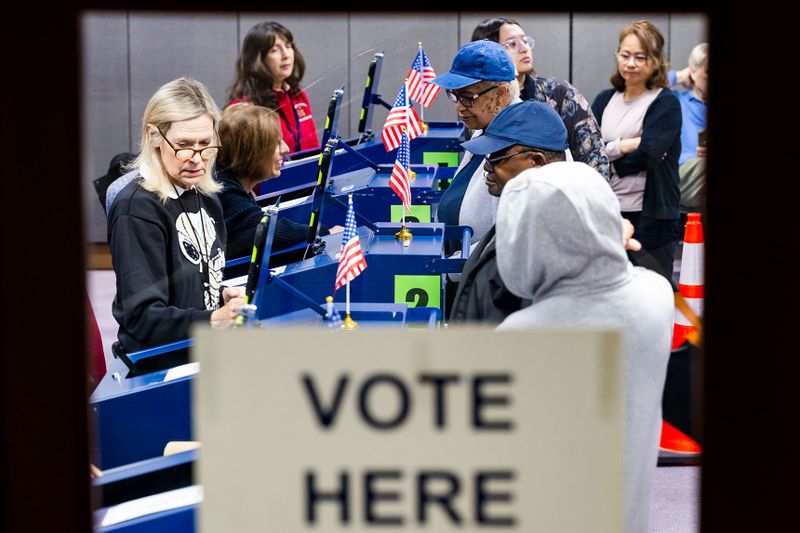
CONGRESS IN THE BALANCE: A blue tsunami, a tide, or chaos as usual — the US midterm election
With just hours to go before the American midterm election takes place, the day before South Africa’s own local election, control of both houses of the American Congress hangs in the balance.
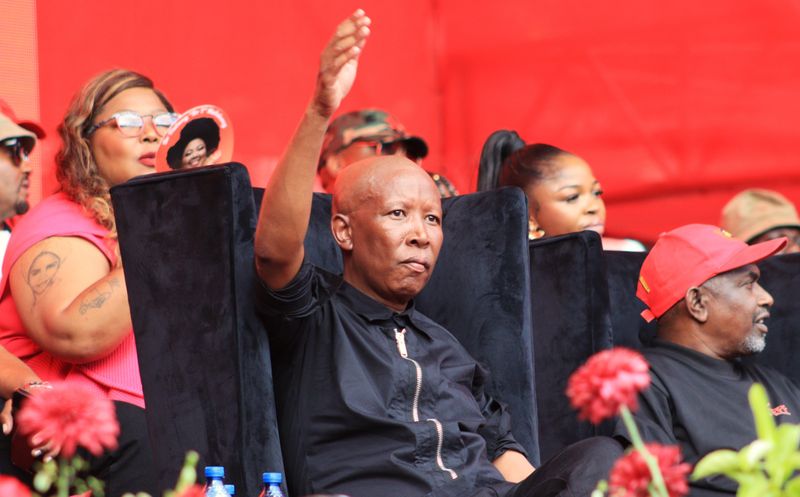
DIVISIVE WORDS: ‘We never called for literal killing’ — Malema appeals for farm killings to stop.
EFF leader Julius Malema says the chant “Kill the boer, kill the farmer” was never meant literally and has appealed for farm killings to stop.
TRC ROULETTE : Victims’ families place key hidden evidence before Khampepe inquiry
A physical inspection of old lever arch files by the legal team representing the families of apartheid victims at the Khampepe Commission strengthens Anton Ackermann’s claim that a disputed 2006 memo was forged, reshaping the Khampepe inquiry into delayed apartheid prosecutions.

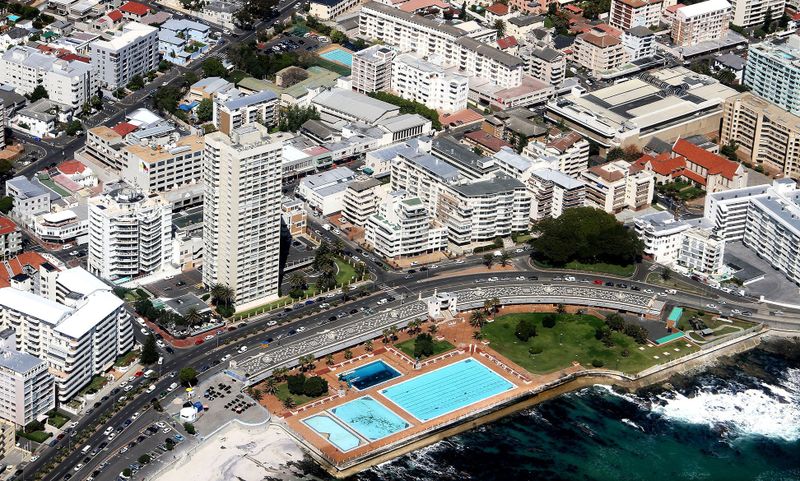
REAL ESTATE & GOVERNANCE: How SA property prices reflect municipal service delivery
South Africa’s property prices broadly track municipal performance, with Cape Town leading and Buffalo City lagging, but several metros challenge the pattern.
Top Stories
CONGRESS IN THE BALANCE: A blue tsunami, a tide, or chaos as usual — the US midterm election

'We've got big problems' - Hamilton says Ferrari need 'serious talks'

Detroit linebacker Campbell taken to hospital with neck injury
DIVISIVE WORDS: ‘We never called for literal killing’ — Malema appeals for farm killings to stop.

Antonelli becomes world champion as Verstappen wins in Mexico
TRC ROULETTE : Victims’ families place key hidden evidence before Khampepe inquiry
REAL ESTATE & GOVERNANCE: How SA property prices reflect municipal service delivery

LOCAL ELECTIONS 2026: Thirteen mayoral candidates, plenty of blame and a crowd of fed-up residents
Latest
CONGRESS IN THE BALANCE: A blue tsunami, a tide, or chaos as usual — the US midterm election
'We've got big problems' - Hamilton says Ferrari need 'serious talks'
Detroit linebacker Campbell taken to hospital with neck injury
DIVISIVE WORDS: ‘We never called for literal killing’ — Malema appeals for farm killings to stop.
Antonelli becomes world champion as Verstappen wins in Mexico
TRC ROULETTE : Victims’ families place key hidden evidence before Khampepe inquiry
REAL ESTATE & GOVERNANCE: How SA property prices reflect municipal service delivery
LOCAL ELECTIONS 2026: Thirteen mayoral candidates, plenty of blame and a crowd of fed-up residents