European rocket launches record-breaking mission with Amazon internet satellites
Breaking space news, the latest updates on rocket launches, skywatching events and more!
Become a Member in Seconds
Unlock instant access to exclusive member features.
You are now subscribed
Your newsletter sign-up was successful
Want to add more newsletters?
Join the club
Get full access to premium articles, exclusive features and a growing list of member rewards.
A European rocket lifted off with a record-breaking load on Wednesday morning (June 17).
An Ariane 6 rocket launched from Europe's Spaceport in Kourou, French Guiana on Wednesday, lifting off at 8:21 a.m. EDT (1221 GMT; 9:21 a.m. local Kourou time).
The rocket was topped with 36 Amazon Leo broadband satellites, which together weigh more than any payload ever lofted by an Ariane vehicle.

Amazon Leo, previously known as Project Kuiper, is the broadband megaconstellation that Amazon is assembling in low Earth orbit (LEO). It will eventually consist of more than 3,200 satellites, which will be lofted over the course of more than 80 launches by a variety of different rockets. Today's launch delivered to 100th LEO satellite to LEO.
That's a lot of satellites, but Amazon Leo's scope is dwarfed by that of SpaceX's Starlink, a competitor network that's already up and running in LEO. Starlink currently consists of more than 10,500 spacecraft, and that number is growing all the time.
Wednesday's mission was the 14th Amazon Leo launch overall (counting the flight of two prototype spacecraft in October 2023), and the third performed by an Ariane 6. But this one broke new ground; the first two Ariane 6 Amazon Leo flights carried 32 satellites apiece, while Wednesday's sent up 36 of them.
The mission is therefore "the biggest stack configuration and heaviest payload ever launched by an Ariane launcher," representatives of Arianespace, the French company that operates the Ariane 6, wrote in the flight's press kit, which you can find here.
The press kit doesn't say exactly how heavy that payload was. But we know from other documentation that 29 Amazon Leo satellites tip the scales at 37,000 pounds (16,800 kilograms), yielding a per-spacecraft weight of about 1,275 pounds (578 kg). So 36 of them weigh roughly 45,900 pounds (20,820 kg).
The Ariane 6 got some extra oomph on this flight from four strap-on, solid-propellant P160C boosters. The rocket has flown with four solid rocket boosters before, but Wednesday's launch marked the debut of this particular, more powerful SRB variant.
"The P160C upgrade will increase Ariane 6 payload capacity to low Earth orbit (LEO) by more than two tons, supporting the deployment and early orbit operations of large satellite constellations," Arianespace representatives wrote in the press kit. "It also delivers substantial performance improvements for geostationary, scientific, and exploration missions, expanding the range of missions that Ariane 6 can serve."
If all goes according to plan, the Ariane 6 will deploy the Amazon Leo satellites about 289 miles (465 kilometers) above Earth. All 36 should be flying freely by one hour and 51 minutes after liftoff, according to the press kit.
Wednesday's launch was the eighth overall for the powerful, long-delayed Ariane 6. The heavy lifter was originally supposed to debut in 2020, but it didn't get off the ground until July 2024 on a test flight that was mostly successful. (The rocket reached orbit and deployed nine cubesats as planned, but its upper stage failed to complete a final engine burn that would have set up the deployment of two experimental reentry capsules.) All of its missions since then have been fully successful.
Editor's note: This story was updated at 8:40 a.m. EDT on June 17 with news of successful launch.
Michael Wall is the Spaceflight and Tech Editor for Space.com and joined the team in 2010. He primarily covers human and robotic spaceflight, military space, and exoplanets, but has been known to dabble in the space art beat. His book about the search for alien life, "Out There," was published on Nov. 13, 2018. Before becoming a science writer, Michael worked as a herpetologist and wildlife biologist. He has a Ph.D. in evolutionary biology from the University of Sydney, Australia, a bachelor's degree from the University of Arizona, and a graduate certificate in science writing from the University of California, Santa Cruz. To find out what his latest project is, you can follow Michael on Twitter.
You must confirm your public display name before commenting
Please logout and then login again, you will then be prompted to enter your display name.
Related Topics
Keywords
Related Stories
How the downfall of Serbia's Vučiċ mirrored that of Hungary's Orbán
Defeat for Serbia's Aleksandar Vučiċ in last weekend's vote was a carbon copy of Viktor Orbán's fall in Hungary.

India's opposition set to hold mega rally seeking election chief's resignation
It comes amid growing protests over a voter roll revision exercise feared to leave 130 million voters off rolls.

I've been stuck on a tiny Pacific island for years and can't get a transit visa to fly home
Ruchira Ranasingha, 50, has been stranded in the Cook Islands since 2023 and wants to return to Sri Lanka.

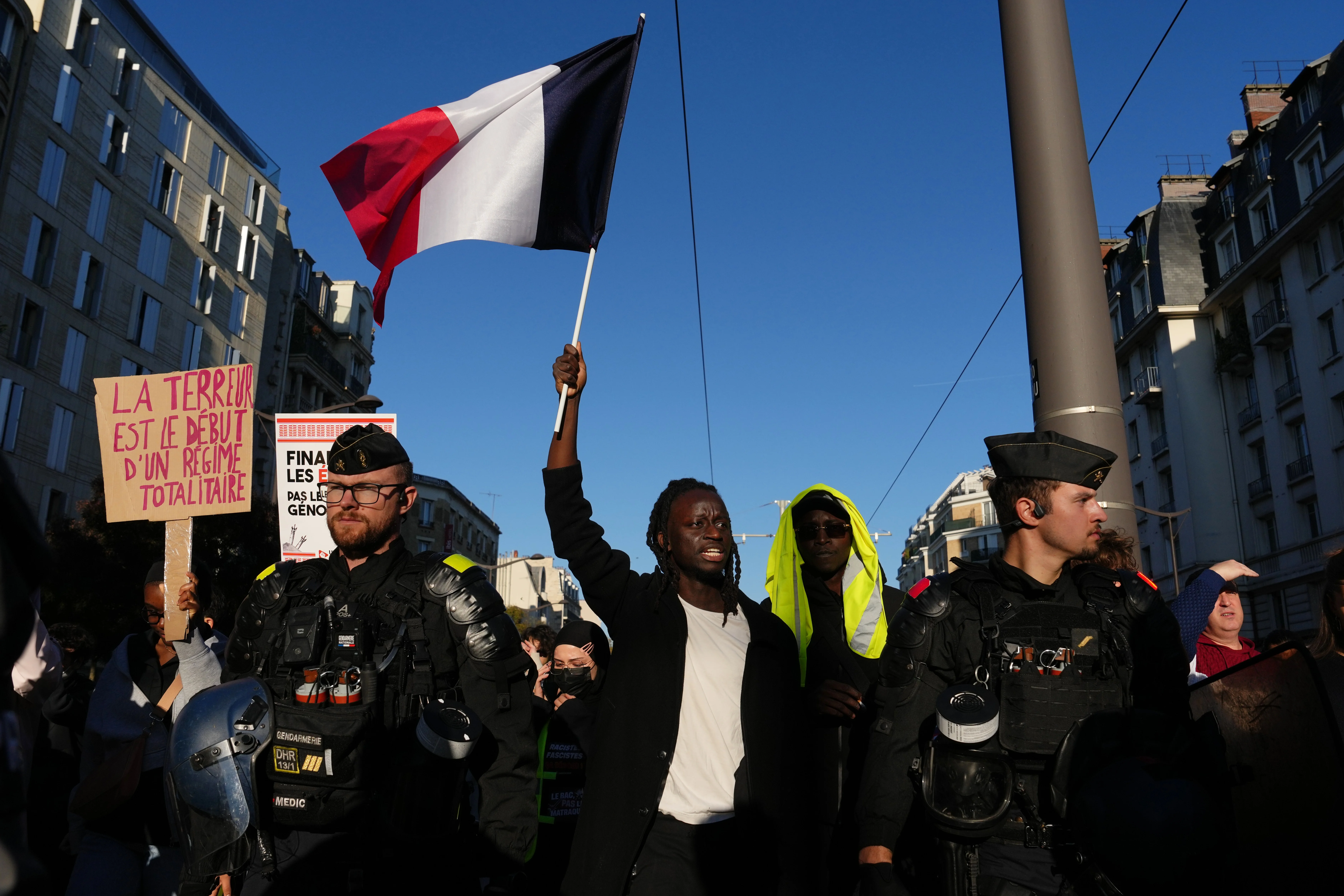
France seethes again as youth-led protests sweep Europe
French Interior Minister Laurent Nuñez warned of a "very high risk" of disorder, especially after dark on Halloween, as some 320,000 people nationwide took to the streets.
Top Stories

Hamilton takes first pole for Ferrari at Mexico City Grand Prix

These firms you've never heard of are feeding fears the AI bubble could burst
How the downfall of Serbia's Vučiċ mirrored that of Hungary's Orbán
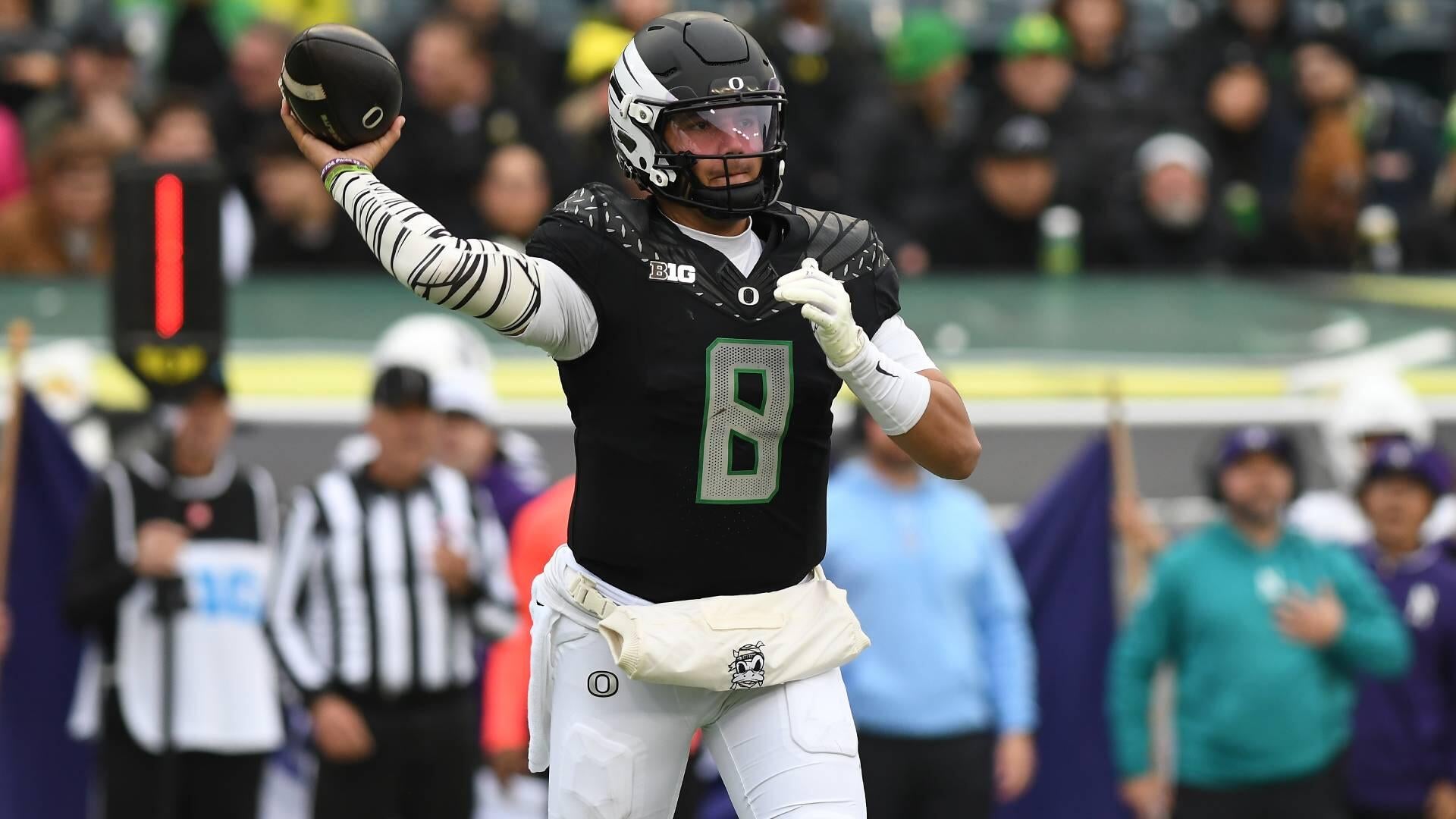
College football winners, losers: Oregon's Dylan Raiola bounces back, Wisconsin falls flat

On 'tense' Antonelli's big weekend, this was Hamilton's day

Thick fog to create hazardous driving conditions into next week
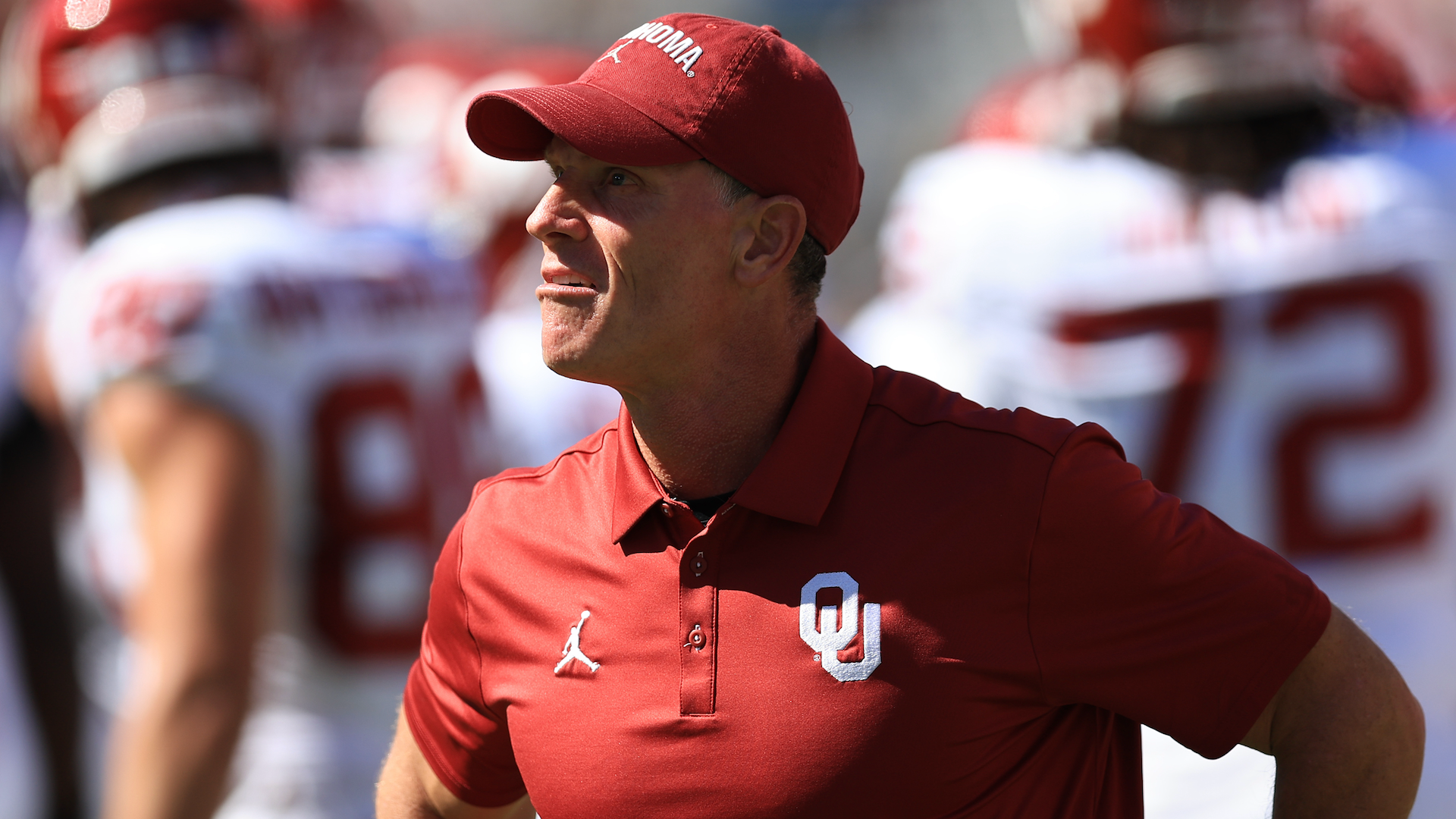
Oklahoma offense stuck in neutral: Loss to South Carolina highlights key decisions ahead for Brent Venables

No more washing up: How Airbnb's new house rules have divided hosts and guests
Latest
Hamilton takes first pole for Ferrari at Mexico City Grand Prix
These firms you've never heard of are feeding fears the AI bubble could burst
How the downfall of Serbia's Vučiċ mirrored that of Hungary's Orbán
College football winners, losers: Oregon's Dylan Raiola bounces back, Wisconsin falls flat
On 'tense' Antonelli's big weekend, this was Hamilton's day
Thick fog to create hazardous driving conditions into next week
Oklahoma offense stuck in neutral: Loss to South Carolina highlights key decisions ahead for Brent Venables
No more washing up: How Airbnb's new house rules have divided hosts and guests