France pledges university admissions overhaul and education funding to ease protests

France’s government has promised to replace Parcoursup, the university admissions platform, and to invest in schools and student support, offering a package of concessions aimed at defusing weeks of protests over education and the rising cost of living.
Issued on: 27/10/2026 - 11:20Modified: 27/10/2026 - 13:06
Higher Education Minister Philippe Baptiste announced on Monday that the admissions system would undergo “substantial change” next year before being replaced in 2028.
The government also pledged smaller classes, additional teaching posts, higher student grants and billions of euros for school and university renovations.
The measures address grievances that sparked high school blockades in mid-September. But workers demanding relief from the rising cost of living have since joined the movement, broadening the challenge facing Prime Minister Sébastien Lecornu’s government.
Student representatives welcomed parts of the package after meeting Lecornu on Monday, but urged protesters to keep mobilising.
“We have managed to address some of the students’ demands,” said Nathanaël Combary of Renouveau Lycéen. “I emphasise the word ‘some’.”
Clément Vieillot, of Mouvement Cachan 94, said students had received “crumbs”, contrasting their demand for 250,000 more university places with the government’s pledge of 15,000.
School students called to join Yellow Vests and unions for mass French protest
Towards a more transparent system
Parcoursup, which handles applications to universities and other higher education institutions, has become a central target of protests over unclear selection criteria and unequal access to courses.
A record 1.05 million people applied through the platform this year, according to the Higher Education Ministry.
For the 2027 admissions round, institutions would publish more detailed selection criteria, and the platform would explain its rejections. Applicants could also request the reasons behind admissions decisions.
A committee of students and teachers is due to recommend changes by the end of November. The government said it would legislate if necessary.
The replacement system has yet to be designed. Its planned launch in 2028 means it will fall to whichever government succeeds President Emmanuel Macron after next year’s election.
Ministers promised 15,000 additional higher education places across 2027 and 2028, mainly in vocational and technical programmes. Student grants would rise in line with inflation from the start of the 2027 academic year.
Some classes in the first year of high school would be capped at 28 pupils from 2027, starting in disadvantaged schools. Planned cuts to secondary teaching posts would be cancelled and 500 additional jobs created.
Up to €4 billion in low-interest loans would support school renovations until 2030, alongside a separate €1 billion university renovation programme running until 2029.
As students call for 'act three', can France's school protests keep momentum?
Protests set to continue
The announcements followed two weekends of mass demonstrations, including widespread rioting and looting on 17 October.
Hundreds of thousands marched peacefully, but some groups attacked public buildings and clashed with police. Protesters briefly stormed Marseille’s city hall, and a fire destroyed the roof and clock tower of Limoges’ town hall.
About 2,400 people were arrested in connection with those demonstrations.
Saturday’s rallies were less violent. Authorities estimated turnout at 410,000, while organisers put it at nearly 800,000.
Some 70,000 police officers and gendarmes were deployed. Interior Minister Laurent Nuñez said on Monday that 1,435 people had been arrested nationwide in connection with the latest protests.
Visiting Marseille on Monday, Macron promised “concrete measures”.
“I have asked the government to address the legitimate demands at the root of this protest movement,” he said.
The government faces criticism over its response to students’ grievances. Police tactics are also under scrutiny, including the use of riot control weapons blamed for life-changing injuries to some teenagers.
Further demonstrations are planned, leaving ministers under pressure to show that promises stretching into the next presidency will bring real improvements.
Far-right leader Marine Le Pen, who leads the polls ahead of the presidential election, has sought to capitalise on the unrest, presenting her National Rally party as a force for law and order.
The government’s room for manoeuvre remains limited, as demands for stronger public services and help with the cost of living collide with record levels of poverty and public debt.
(with newswires)
Daily newsletterReceive essential international news every morning
Keep up to date with international news by downloading the RFI app
Related Topics
Keywords
Related Stories
UN peacekeeping mission in Western Sahara ends after 35 years, UN chief says
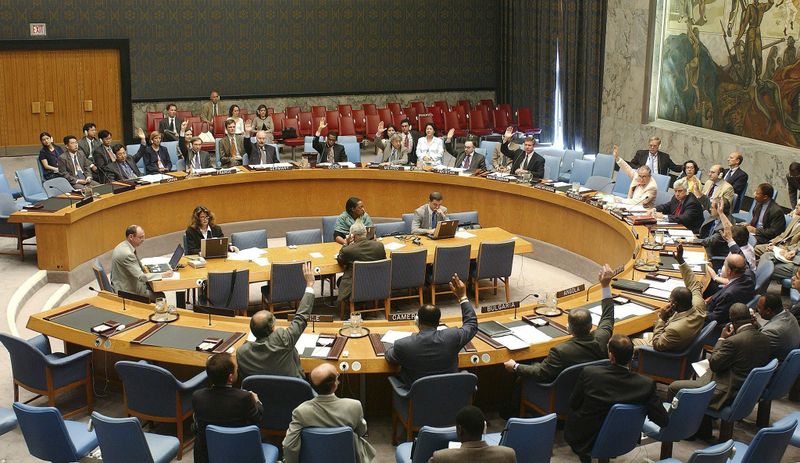
Nov 1 (Reuters) - The 35-year-old UN peacekeeping mission in the Western Sahara region will come to an end after the Security Council failed to renew its mandate, the UN chief said on Sunday.
CONGRESS IN THE BALANCE: A blue tsunami, a tide, or chaos as usual — the US midterm election
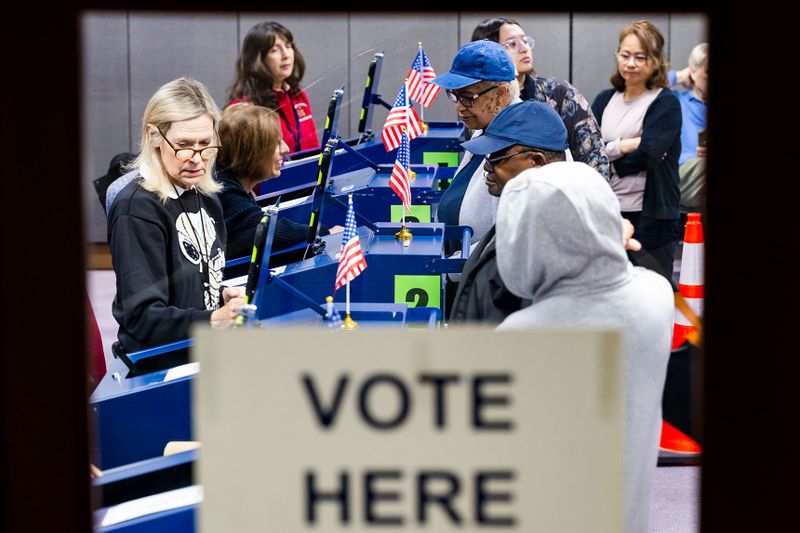
With just hours to go before the American midterm election takes place, the day before South Africa’s own local election, control of both houses of the American Congress hangs in the balance.
DIVISIVE WORDS: ‘We never called for literal killing’ — Malema appeals for farm killings to stop.
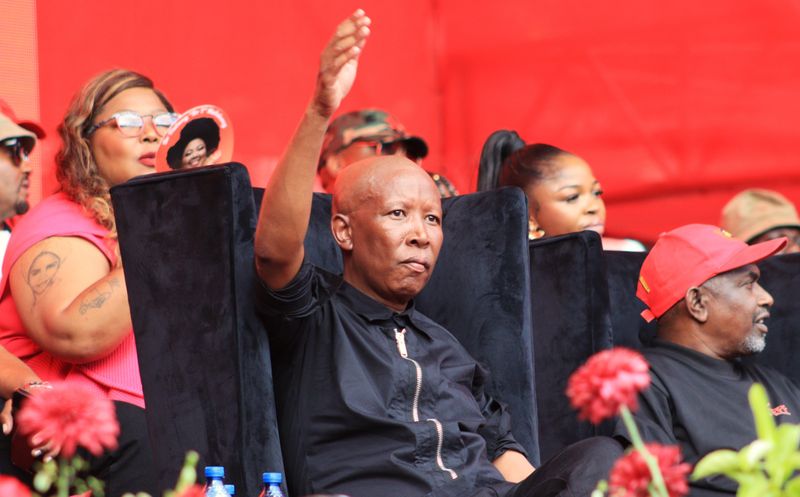
EFF leader Julius Malema says the chant “Kill the boer, kill the farmer” was never meant literally and has appealed for farm killings to stop.
TRC ROULETTE : Victims’ families place key hidden evidence before Khampepe inquiry
A physical inspection of old lever arch files by the legal team representing the families of apartheid victims at the Khampepe Commission strengthens Anton Ackermann’s claim that a disputed 2006 memo was forged, reshaping the Khampepe inquiry into delayed apartheid prosecutions.
Top Stories
UN peacekeeping mission in Western Sahara ends after 35 years, UN chief says
Week 8 overreactions: Time for Vikings to bench Kyler Murray? Colts should fire Steichen?

NFL Week 8 winners and losers: Cowboys suffer epic collapse, Joe Burrow delivers historic heroics

How Antonelli 'blew everyone away' to make Formula 1 history

Why is Ashton Jeanty not getting carries? Another Raider emerges as Vegas' top RB in Week 8

Russia and Ukraine accuse each other of hacking emergency alert apps

NFL Week 8 grades for every team: Cowboys get an 'F' for choking, Steelers surge to 'A+'

Ukraine air raid app apparently hacked as users receive false radiation threat, Air Force says
Latest
UN peacekeeping mission in Western Sahara ends after 35 years, UN chief says
Week 8 overreactions: Time for Vikings to bench Kyler Murray? Colts should fire Steichen?
NFL Week 8 winners and losers: Cowboys suffer epic collapse, Joe Burrow delivers historic heroics
How Antonelli 'blew everyone away' to make Formula 1 history
Why is Ashton Jeanty not getting carries? Another Raider emerges as Vegas' top RB in Week 8
Russia and Ukraine accuse each other of hacking emergency alert apps
NFL Week 8 grades for every team: Cowboys get an 'F' for choking, Steelers surge to 'A+'
Ukraine air raid app apparently hacked as users receive false radiation threat, Air Force says