Gambia lawmakers reject bill to reverse ban on female genital cutting - VOA
Gambia's parliament rejected a bill Monday that sought to reverse the country’s ban on female genital cutting.
The bill’s rejection comes after a second reading of the bill was passed in March with five out of 53 lawmakers voting against the bill at the time. Monday’s rejection of the bill came during its third reading, making the bill ineligible for a final vote.
If the bill had passed, Gambia would have become the first country in the world to reverse a genital mutilation ban.
Female genital cutting has been banned in Gambia since 2015, with activists claiming that enforcement of the ban hasn’t been effective. Only two cases have ever been prosecuted.
More than half of the women between 15 and 49 years old in Gambia have endured genital mutilation, as estimated by the United Nations.
Female genital cutting is a procedure that is a widespread practice in certain areas of Africa. It involves partial or full removal of a girl's genitals, typically performed on girls under five years old. The procedure is often performed by community practitioners using tools like razor blades.
The reasoning for female genital cutting is often rooted in ideas of purity and control, with religious conservatives calling for the ban to be overturned, referring to the cutting procedure as “one of the virtues of Islam.”
According to the United Nations Population Fund, or UNFPA, there are no religious texts that promote female genital cutting.
The bill was first introduced by National Assembly Member Almameh Gibba, proposing that female genital cutting is an ingrained religious and cultural practice in Gambia. Many activists expressed concern regarding the bill’s text, however, saying that genital mutilation is a violation of women’s rights.
In a 2024 report, UNICEF said that approximately 30 million women have undergone the operation worldwide.
Female genital mutilation can result in serious health complications, such as excessive bleeding, menstrual problems, childbirth complications, death and more.
Some information for this story was provided by the Associated Press, Reuters and Agence France-Presse.
Originally published and reported by VOA - Voice of America English News.
Read original coverage on VOA - Voice of America English NewsKeywords
Related Stories
Ukraine: Russian strikes hit Kyiv region, damaging infrastructure
Russian strikes have damaged infrastructure in the Kyiv region and left a kindergarten in ruins in the Ukrainian capital. Firefighters battled a major blaze as Ukraine faced renewed attacks on its energy network.

COP31: What Nigeria, other African countries will push for at UN climate summit
The group said securing adequate and predictable climate finance, particularly grant-based and concessional funding, would be central to Africa’s negotiating priorities at the conference The post COP31: What Nigeria, other African countries will push for at UN climate summit…

LOCAL ELECTIONS 2026: ANC faces coalition scramble after electoral rout as control of key metros slips away
With councils due to convene within 14 days, the ANC must choose between coalition deals, opposition and uneasy partnerships to retain municipal influence.

NNPC says its gas supply not cause of low power generation
Electricity supply across major Nigerian cities, including Lagos and Abuja, has declined significantly in recent weeks, worsening concerns over the country’s unreliable power supply. The post NNPC says its gas supply not cause of low power generation appeared first on Premium…

Top Stories

Billam-Smith stopped as Clarke repeats amateur win

Ambika Mod says the 'glass ceiling is always getting higher' for South Asian actors

The rise of microdramas: The 'snackable' shows made for the scrolling age

Can the Zelda remake capture the magic of the original?

'Dana, please take the job!' - Trump asks UFC boss to be White House press secretary
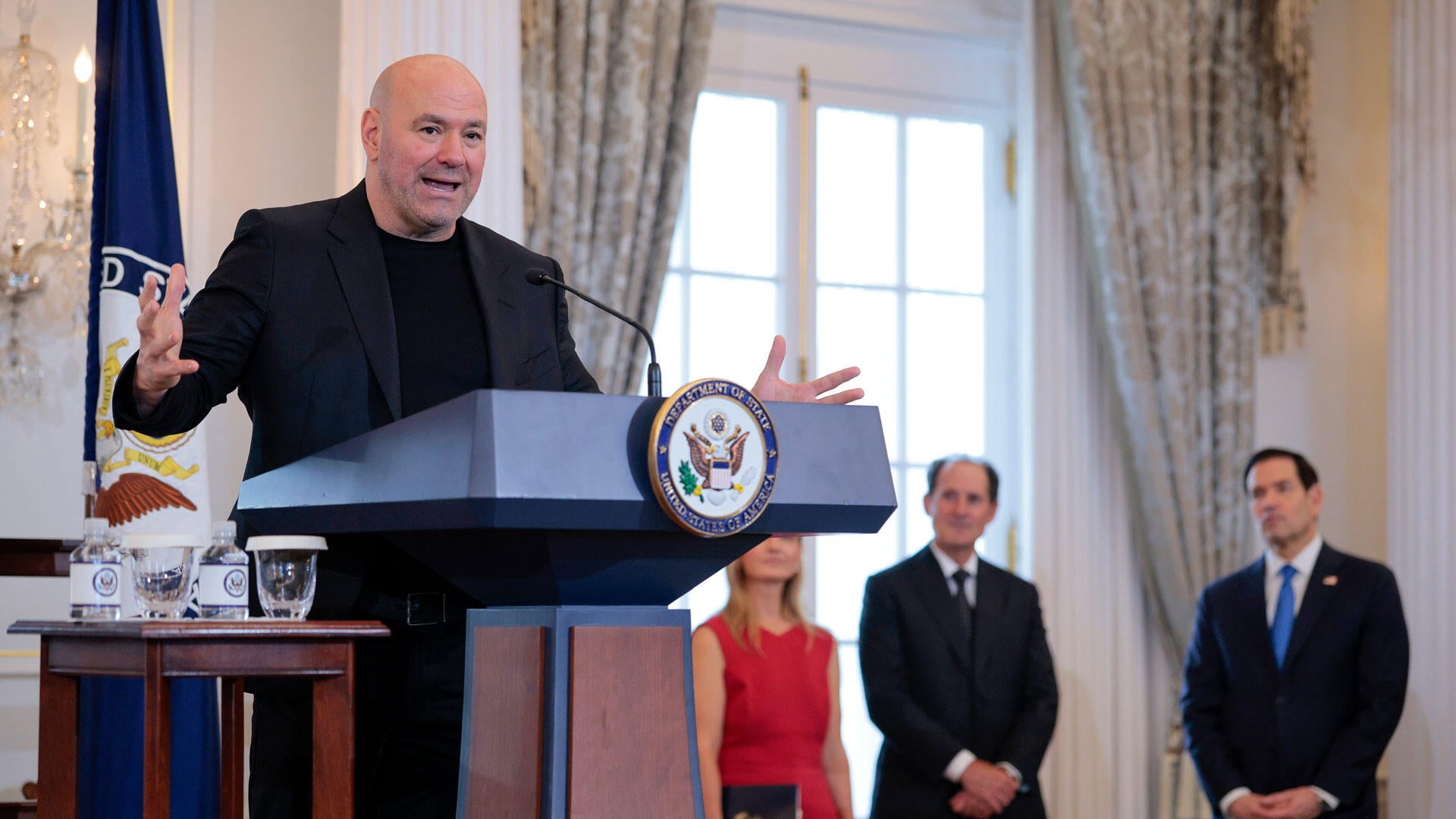
Dana White next White House press secretary? UFC boss set for meeting with President on Monday

'The worst conditions in my 35-year career' - commentating in the FA Cup fog

'Curtains for Robinson' or can floundering Aberdeen boss survive?
Latest
Billam-Smith stopped as Clarke repeats amateur win
Ambika Mod says the 'glass ceiling is always getting higher' for South Asian actors
The rise of microdramas: The 'snackable' shows made for the scrolling age
Can the Zelda remake capture the magic of the original?
'Dana, please take the job!' - Trump asks UFC boss to be White House press secretary
Dana White next White House press secretary? UFC boss set for meeting with President on Monday
'The worst conditions in my 35-year career' - commentating in the FA Cup fog
'Curtains for Robinson' or can floundering Aberdeen boss survive?