GM to pay $220 million after selling customer Smart Driver data

General Motors marketed its Smart Driver system as a way for parents to monitor teen drivers or for adults to track their driving behavior. But in 2024, it emerged that GM had been sharing that data with brokers. Those brokers then sold the data to insurance companies, and some drivers found that their insurance became more expensive as a result. To make matters worse, many of those drivers claimed they had no knowledge of ever agreeing to share such data for such purposes.
Last year, GM and its OnStar subsidiary entered into a settlement with the FTC, prohibiting them from sharing some kinds of driver data with third parties. The settlement was finalized this January. That agreement banned the two companies from sharing geolocation data or driver behavior data for five years. At the time, GM also discontinued Smart Driver across its entire range.
Now the automaker has reached terms with the District of Columbia and 35 states after their attorneys general joined together to sue GM as well.
GM told Reuters in a statement that “[s]afer, more helpful and personalized experiences are enabled by connected vehicle data, and GM is committed to being clear about what information is used, how it’s protected, and the choices customers have about what they share.”
According to TechCrunch, the settlement with the states is notable in that it doesn’t take GM’s word that it’s complying with the privacy policy—a third party will be required to make that determination.
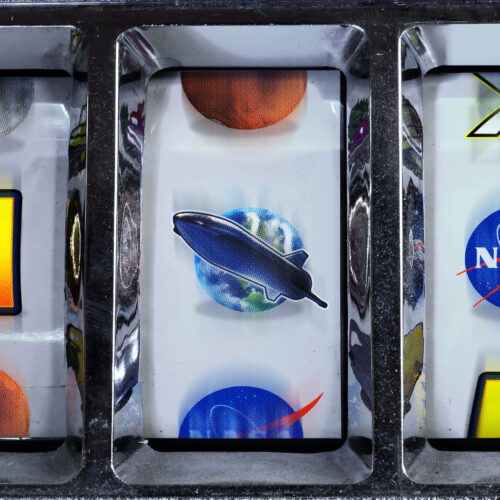 1.
SpaceX no longer needs NASA, and that's a problem for America's space agency
Related Topics
Keywords
Related Stories
Jackery made its portable power stations even smaller
Jackery announced a new portable power station that uses the safer and longer-lasting lithium iron phosphate (LFP) batteries the company first introduced in 2023. But what makes the new Explorer 100D stand out is that it's Jackery's smallest power station to date, measuring only…

NASA hopes the commercial space industry can help save Hubble
Gravity is a cruel mistress, slowly dragging the famed telescope ever closer to its ultimate demise with every day. Hubble is in no immediate danger of burning up in the Earth's atmosphere, but its time will run out in the early to mid 2030s unless its orbit is boosted. So NASA…

Flock keeps ignoring requests to cancel its contracts
While more cities are canceling their contracts with Flock Safety, just as many are discovering how difficult that can be in some instances. Plymouth, Minnesota's city council voted to terminate its contract with Flock in September, but failed to respond to the city's request.…

Apple’s HomeView could add security camera features
Reddit user pdfu found hints hidden in the HomeView 27.2 code that Apple could be adding security camera features to its smart home hub. The strings describe a security camera mode with motion detection, live streaming, and recording options, as well as privacy functions.…

Top Stories

Afghanistan asks US to act responsibly on deporting Afghan immigrants back home

Bulgaria’s Iotova wins presidential runoff, near-final results show
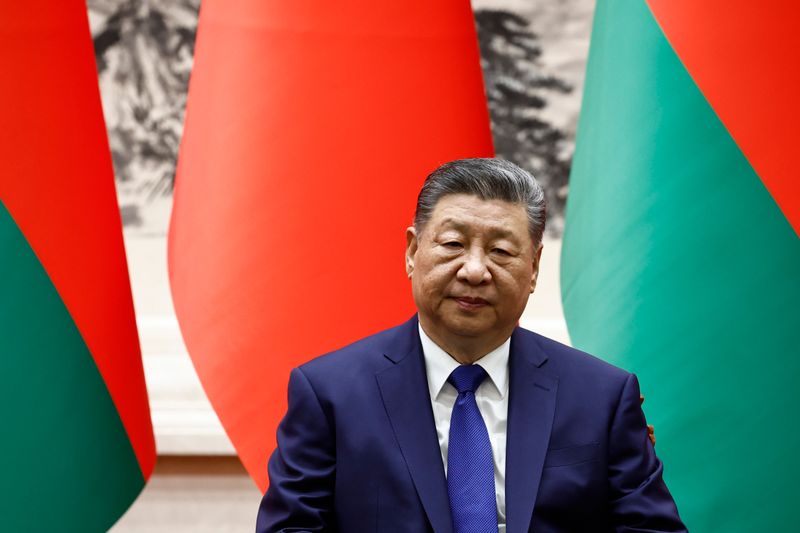
China’s Xi says Middle East should not become battleground for great power rivalry

PZ Cussons shareholders approve N9.926bn dividend payout
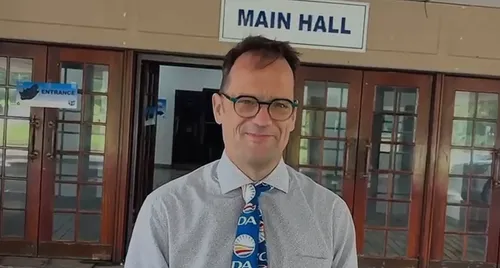
Martin Meyer urges KZN special voters to turn out for local elections

Fake alerts warn of nuclear danger as Ukraine and Russia report emergency app hacks
China-Africa green energy forum strengthens research ties in Jinan

Ryanair says it may freeze workers' pay and raise airfares

Latest
Afghanistan asks US to act responsibly on deporting Afghan immigrants back home
Bulgaria’s Iotova wins presidential runoff, near-final results show
China’s Xi says Middle East should not become battleground for great power rivalry
PZ Cussons shareholders approve N9.926bn dividend payout
Martin Meyer urges KZN special voters to turn out for local elections
Fake alerts warn of nuclear danger as Ukraine and Russia report emergency app hacks
China-Africa green energy forum strengthens research ties in Jinan
Ryanair says it may freeze workers' pay and raise airfares