How the Svalbard seed vault could help protect Africa's food future


Tucked away in the Arctic, a vault holds over a million seeds serving as a backup for the world’s food supply. This year, the Svalbard Global Seed Vault receives the Princess of Asturias Award for International Cooperation.
Africanews’ Ronald Kato sat down with Lene Krøl Andersen, executive director of NordGen, to talk African staples, cooperation with national gene banks, and whether seeds can keep up with a changing climate.
Ronald: Lene, welcome, and congratulations.
Lene: Thank you very much. It is an honour to be here.
Ronald: How is climate change shaping the kind of seeds and varieties that countries are choosing to preserve at the vault?
Lene: Climate change is one of the reasons why we have established the Svalbard Global Seed Vault. The idea is to protect the present biodiversity against climate change. The biodiversity in our nature today is under pressure, meaning that we do not have the genetic traits for future crops available in nature. So, we conserve the seeds to store the heritage of genetic resilience so that those resilient genes can be retained for our future crops.
Ronald: So, a seed frozen at Svalbard will be returning to a different climate and possibly soil. How then do you account for the need for plants to evolve? Or are they just being preserved?
Lene: Well, it works in the way that the genetic diversity is available, and we need to keep it alive to be able to use it. So, with today's modern technology of gene editing and breeding technologies, we can create crops and future crops to adapt to the changing climate. So, that's how the genetic diversity coming from the gene banks is being used.
You could say that it is like a library. And the books contain the genetic information. The knowledge you need to develop future crops is available to pick in the library.
Ronald: You touched on gene editing, and currently, Norwegian law, under which the vault is governed, bars genetic modification. Do you see this policy evolving in the interests of food security in the future?
Lene: The technology indeed will evolve, certainly. We become smarter in developing new crops for the prevailing conditions. For the conservation part, we want to preserve the original as closely as we can, because this step broadens diversity.
What we do with the traits that are held in the original samples—it's up to the researchers and breeders to develop. We store the foundation of the present diversity.
Ronald: Sudan and Ukraine, two countries at war that have deposited seeds at the vault. Can you talk about the logistics? What does it take to evacuate seeds from a country at war like Sudan?
Lene: Yeah, that's a good question, because it varies depending on the situation. We have worked very closely with Ukraine, for example, and still are doing so. That mechanism was an evacuation from one side to the other to simply make sure that the seeds were safe in the country.
Svalbard works as a backup system. So, if something goes wrong, whatever happens to your copies in one of your local gene banks, then you can go to the other one you have on the side. If that too does not help, then you go to Svalbard.
But at any time, you are able to withdraw your seeds. Whenever you have the need to have them back, it's possible.
Ronald: The vault works on trust. How do you maintain that neutrality amid sometimes very contentious geopolitics? How do you stay impartial?
Lene: So, in the seed vault, we don't address geopolitical challenges at all. We have seeds from Russia, America, and Ukraine side by side. My colleagues at the vault like to say that the problems outside are cooled down in the vault. There, we are all colleagues working together.
Ronald: So, for a local farmer in Senegal or Uganda, what does it mean that their local okra or cowpea variety is now being kept or frozen in the Arctic?
Lene: It would mean that what they have is their own breeders. They have developed their own cowpeas into something they are proud of, that they know how to grow to feed their families with. So, it's like future insurance for the next generation, to make sure that they are able to provide food and feed future generations.
Ronald: Learn, if you could look 50 years into the future, what role do you hope these seeds, now at Svalbard, will have played in solving the global food security puzzle?
Lene: My hope is that we will be able to generate more information and understand our diversity even better than we do today and make that information available. It's like opening a book, understanding what's inside and what benefits are in this little seed. How can we help future varieties to adapt to climate change or other harsh conditions to grow crops in?
At Svalbard, we have the global collection, but the actual work is being done within individual gene banks. That is where the knowledge is; that is where the connection to the farmer is. The farmer's knowledge is super important in understanding how to develop seeds and how to grow food the right way.
Ronald: Lene, congratulations once more. And thank you very much for talking to Africanews.
Lene: Thank you very much.
Related articles
WFP says Ebola response in Congo must include food aid
Agriculture: West Africa seeks to speed up the movement of seeds
Food security concerns mount as Iran war hurts fertilizer trade
 01:06
WFP says Ebola response in Congo must include food aid
Agriculture: West Africa seeks to speed up the movement of seeds
 01:22
Food security concerns mount as Iran war hurts fertilizer trade
01:06
WFP says Ebola response in Congo must include food aid
Agriculture: West Africa seeks to speed up the movement of seeds
01:22
Food security concerns mount as Iran war hurts fertilizer trade
 NEWS
Go to video
Nurse killed, health worker injured in DR Congo Ebola attack
 NEWS
Go to video
Chris Brown avoids jail over London nightclub bottle attack
NEWS 01:19 'National emergency': 24 dead in Kenya bus crash near site of previous fatal accident
 PICS OF THE DAY
01:00
Pix of the Day, 23rd October, 2026 - Across the world
NEWS Go to video France deploys 70,000 police, shuts Paris museums ahead of protests
NEWS 00:55 Nairobi building collapse raises safety concerns as rescuers search rubble
Ethiopia
Ethiopia: At least 60 Christians killed in attacks in Oromia region
00:53 Tanzania Tanzania's jailed opposition leader Tundu Lissu begins hunger strike
01:13 Israel Israelis vote in pivotal election as Netanyahu faces challenge from Eisenkot
Keywords
Related Stories
Ebola: No new cases in Nigeria as two suspected cases in North-east test negative
Details obtained exclusively by PREMIUM TIMES revealed that a 34-year-old pilot and his wife, a medical doctor, are the two people suspected of having Ebola virus disease in Adamawa State, North-east Nigeria. The post Ebola: No new cases in Nigeria as two suspected cases in…

Ebola: Saudi Arabia suspends travel to Kenya, halts visa issuance
The Saudi Press Agency (SPA) announced the measures in a statement published on its official X account on Friday, 30 October, saying they followed epidemiological assessments by the country’s health authorities The post Ebola: Saudi Arabia suspends travel to Kenya, halts visa…

Group seeks end to health workers’ absenteeism in PHCs
“Our expectation is that the government and other policymakers will take renewed action to ensure that these interventions are implemented across the state,” the group's coordinator said. The post Group seeks end to health workers’ absenteeism in PHCs appeared first on Premium…

Catholic diocese, CAN reject inclusion of clerics in APC campaign list
PREMIUM TIMES reports that the APC in the state had included Mr Obodo and many other Christian clerics in the party's governorship campaign council. The post Catholic diocese, CAN reject inclusion of clerics in APC campaign list appeared first on Premium Times Nigeria.

Top Stories

Hamilton takes first pole for Ferrari at Mexico City Grand Prix

These firms you've never heard of are feeding fears the AI bubble could burst

How the downfall of Serbia's Vučiċ mirrored that of Hungary's Orbán
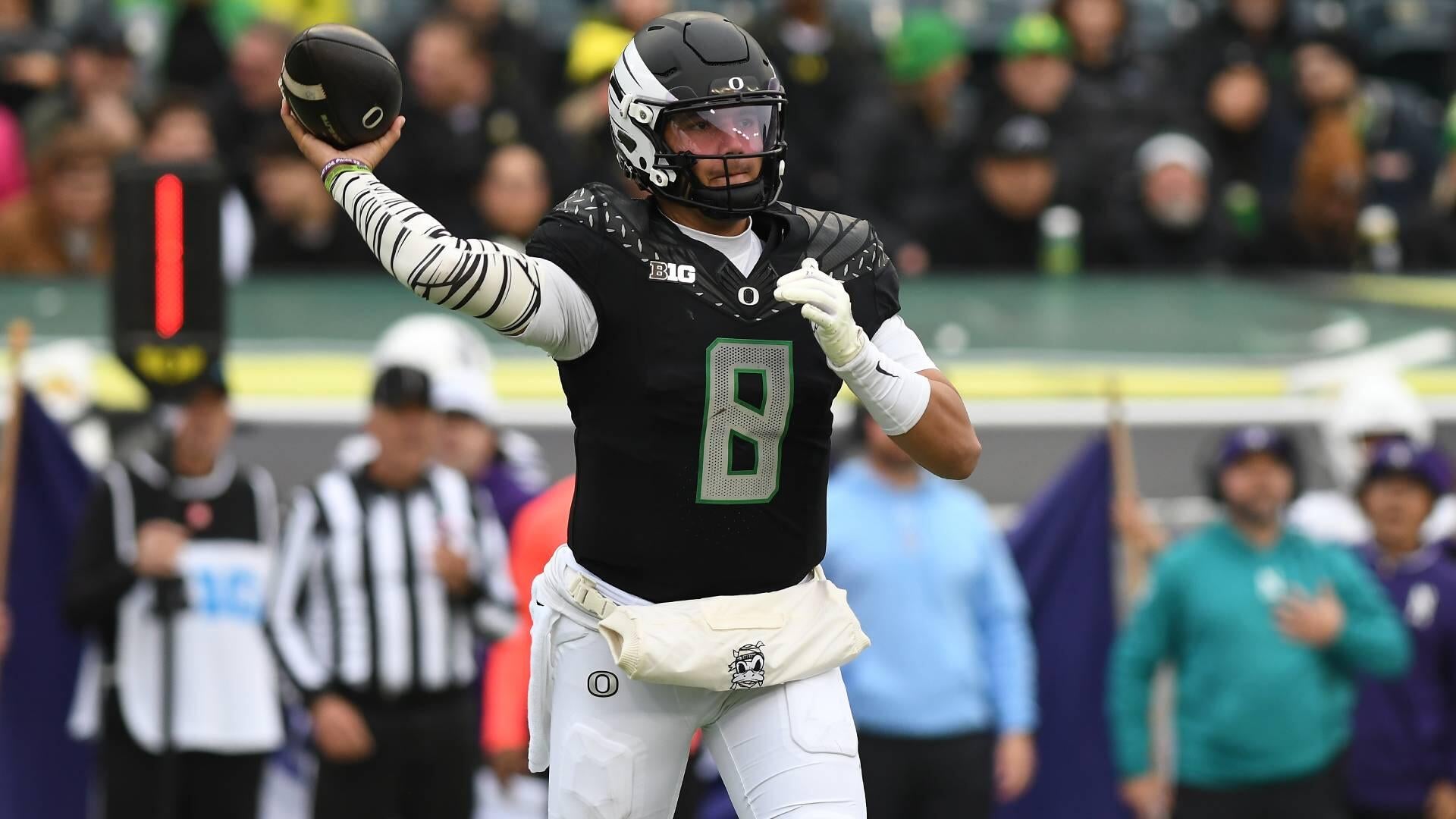
College football winners, losers: Oregon's Dylan Raiola bounces back, Wisconsin falls flat

On 'tense' Antonelli's big weekend, this was Hamilton's day

Thick fog to create hazardous driving conditions into next week
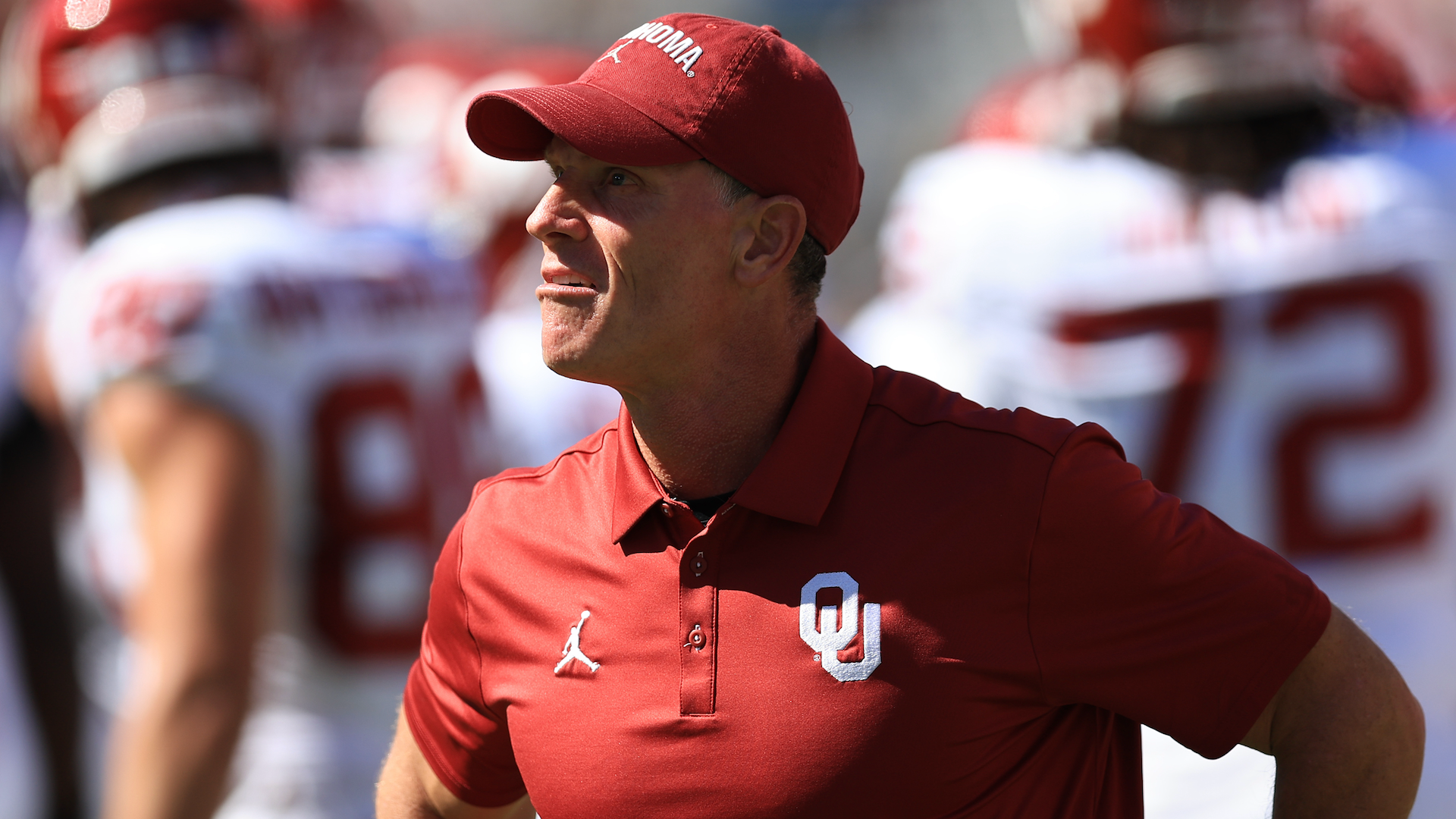
Oklahoma offense stuck in neutral: Loss to South Carolina highlights key decisions ahead for Brent Venables

No more washing up: How Airbnb's new house rules have divided hosts and guests
Latest
Hamilton takes first pole for Ferrari at Mexico City Grand Prix
These firms you've never heard of are feeding fears the AI bubble could burst
How the downfall of Serbia's Vučiċ mirrored that of Hungary's Orbán
College football winners, losers: Oregon's Dylan Raiola bounces back, Wisconsin falls flat
On 'tense' Antonelli's big weekend, this was Hamilton's day
Thick fog to create hazardous driving conditions into next week
Oklahoma offense stuck in neutral: Loss to South Carolina highlights key decisions ahead for Brent Venables
No more washing up: How Airbnb's new house rules have divided hosts and guests