How to cook rice without burning it or making it mushy
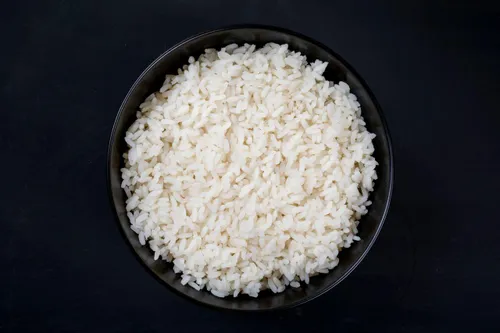
Making rice might seem simple but it can easily go wrong.
Rice is a familiar feature on many South African dinner tables, but cooking it properly can be surprisingly tricky when you're starting out.
Get the water ratio wrong or leave the heat too high, and you could end up with mushy grains, rice stuck to the bottom of the pot or a batch that's still hard in the middle.
For everyday long-grain white rice, the kind often served alongside curries and stews, a few simple techniques can make all the difference.
Here's how to get it right, along with the common mistakes to avoid.
A useful starting point for long-grain white rice is one cup of rice to 1½ cups of water when using the absorption method.
The exact ratio can vary by brand, so check the packet instructions if available.
Rinsing the rice under cold water before cooking removes excess surface starch, which can help prevent the grains from clumping together.
Leave the lid for a few minutes once cooked.
Rice can burn when the heat is too high, and the water evaporates before the grains are fully cooked.
A thin-based saucepan can also distribute heat unevenly.
Once the water boils, turn the heat right down.
A saucepan with a reasonably heavy base and a well-fitting lid can help maintain a more even temperature.
Too much water can leave rice soggy, while excess surface starch can contribute to sticky grains.
Stirring during cooking can also encourage the grains to clump together.
Measure the water rather than pouring it in by eye, rinse the rice beforehand and leave it undisturbed while it simmers.
The secret to cooking good rice is not constant checking or stirring.
Measure the water, lower the heat once it boils and give the rice time to cook.
With a little practice, getting fluffy grains right becomes much less of a guessing game.
Related Topics
Keywords
Related Stories
HEART FOR ART: Award-winning artist Annette Kamfer paints her way back after Parkinson’s diagnosis
After achieving international recognition for her watercolour paintings, acclaimed artist Annette Kamfer stepped away from art to focus on her health. Now she is back, and has brought her latest collection home to Nelson Mandela Bay.
LOCAL ELECTIONS 2026: Ten critical questions as South Africa heads into high-stakes poll
With the ANC under intense pressure, the DA seeking gains and smaller parties eyeing roles as kingmakers, voters face a contest that could reshape municipal government.
Sanwo-Olu makes runaway appearance at Lagos Fashion Week (PHOTOS)
It is his second runway appearance. The post Sanwo-Olu makes runaway appearance at Lagos Fashion Week (PHOTOS) appeared first on Premium Times Nigeria.

EXCLUSIVE: Ebola: 34-year-old pilot, wife identified as suspected cases who tested negative in North-east Nigeria
The Nigeria Centre for Disease Control and Prevention (NCDC) on Saturday announced that two suspected Ebola cases had been identified in the North-east. The post EXCLUSIVE: Ebola: 34-year-old pilot, wife identified as suspected cases who tested negative in North-east Nigeria…

Top Stories
HEART FOR ART: Award-winning artist Annette Kamfer paints her way back after Parkinson’s diagnosis
LOCAL ELECTIONS 2026: Ten critical questions as South Africa heads into high-stakes poll
Sanwo-Olu makes runaway appearance at Lagos Fashion Week (PHOTOS)

Valkyries win WNBA title in their second season
EXCLUSIVE: Ebola: 34-year-old pilot, wife identified as suspected cases who tested negative in North-east Nigeria
Zuma to make first public appearance since hospital discharge

When youths move, society changes: The 2026 barricades, By Owei Lakemfa

Why war makes Ukraine media more determined than ever to hold power to account

Latest
HEART FOR ART: Award-winning artist Annette Kamfer paints her way back after Parkinson’s diagnosis
LOCAL ELECTIONS 2026: Ten critical questions as South Africa heads into high-stakes poll
Sanwo-Olu makes runaway appearance at Lagos Fashion Week (PHOTOS)
Valkyries win WNBA title in their second season
EXCLUSIVE: Ebola: 34-year-old pilot, wife identified as suspected cases who tested negative in North-east Nigeria
Zuma to make first public appearance since hospital discharge
When youths move, society changes: The 2026 barricades, By Owei Lakemfa
Why war makes Ukraine media more determined than ever to hold power to account