I climbed Mount Kilimanjaro on my hands

I have no legs, so the thought of tackling the nearly 6,000-metre peak seemed crazy. But after reflection, and hard physical training, I decided to give it a go
I was born with a rare genetic disease called sacral agenesis, which meant that my legs didn’t work. When I was five, I had surgery to amputate them. Doctors told my parents that I might never sit up, let alone be a functioning member of society – but as a child I wanted to try everything, and my mum and dad were great at encouraging me.
I learned to navigate the world by walking on my hands. I also had a wheelchair, or I’d get around our neighbourhood in Wyoming by skateboard, just like other kids.
I went to university in Utah, graduating with a communication degree into a terrible job market in 2003. I worked in client operations but craved a deeper sense of purpose.
Then in 2008 a friend invited me to join a volunteer trip to Kenya with a nonprofit organisation.
Seeing international development work in a different part of the world, and meeting schoolkids who were interested in my story, helped me find my passion. I started working for the organisation as a motivational speaker. I moved to Toronto, then travelled the world, telling my story to encourage young people to make a difference. But I kept thinking, “I haven’t done that myself.”
In 2011, the organisation’s founder told me he had climbed Kilimanjaro and asked if I would consider it. I thought he was out of his mind, but within days I started wondering if I could.
I asked my buddies Alex and David to join me, and got support from doctors, a local climbing expert, a personal trainer and my employer. I suggested using the climb to generate $500,000 for clean water in east Africa.
I spent a year fundraising and working with a personal trainer. In June 2012, we boarded a plane to Tanzania.
On day one, the weather was good; we were excited. I wore padded rowing gloves and planned to climb half of the journey on my hands, half in a wheelchair – but the chair was impossible to use on the terrain. Over seven hours, I did 80% of the climb on my hands as dust sprayed in my face. We all found it harder than expected and were nervous about day two.
We tried out a contraption that two of the porters could hook my wheelchair to, so that they could carry me overhead. It was fun at first but they walked fast and I wound up ahead of my buddies, which sucked.
Thankfully, we soon found a rhythm. Over the next few days, we started at 6am with me carried in the chair. Then, when possible, I walked using my hands, through the alpine desert, then the lunar desert above the cloud-line. By day six, heading towards the 5,895m (19,341ft) summit, there was snow and ice, and high winds. It felt like one step forward and two steps back. I swapped to thicker gloves. The terrain was tough, the incline was steep and the altitude made you feel breathless. My buddies were throwing up but I was OK – we joked that it was because of my height.
Summit day involved a zigzag trail to Kilimanjaro’s rim. We were up at 4am. A porter wrapped me in a blanket and tied me to his back for the first part because it was too dangerous to go by hand. My buddies thought I looked cute.
I walked the rest of the way and, at the summit, as we watched night turn into day, we collapsed, hugged and cried. I’d been through four pairs of gloves. I drank my grandparents’ homemade wine and looked down at the curvature of the Earth.
The climb delivered many moments of reflection. I learned the importance of asking for help – it informed every part of my journey.
It also helped me professionally: I started speaking to larger audiences. When the nonprofit I worked for closed its doors, I continued my work alone. Being interested in disability justice, I started creating content online about the difficult – and often humorous – experience of being gay and disabled.
I’m 45 and don’t think my body could climb a mountain again, but I relive my memories when I speak to audiences. I’ve written a book, Breaking Free, drawing lessons from the experience to help people understand they can get unstuck from where they are, too.
I’m often asked, “Where does your resilience come from?” The answer is that I’ve got no other option – I’m either resilient, or I can’t lead the life I want.
As told to Deborah Linton
Do you have an experience to share? Email experience@theguardian.com
Related Topics
Keywords
Related Stories
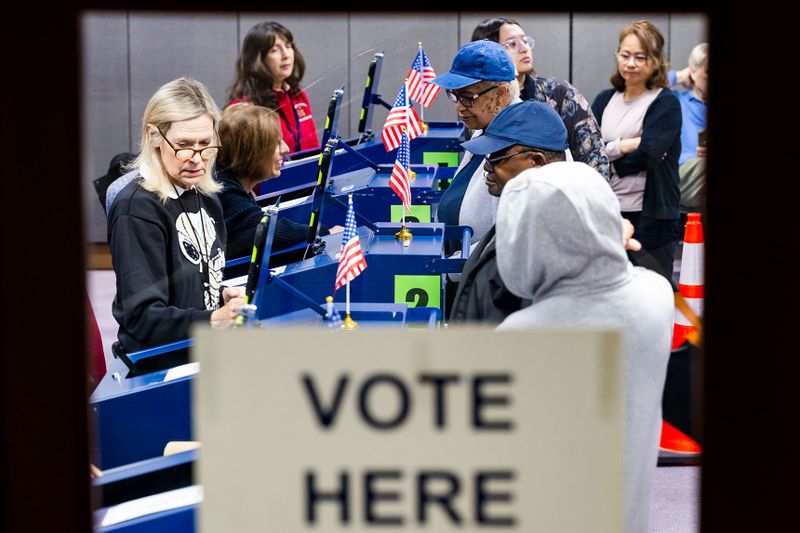
CONGRESS IN THE BALANCE: A blue tsunami, a tide, or chaos as usual — the US midterm election
With just hours to go before the American midterm election takes place, the day before South Africa’s own local election, control of both houses of the American Congress hangs in the balance.
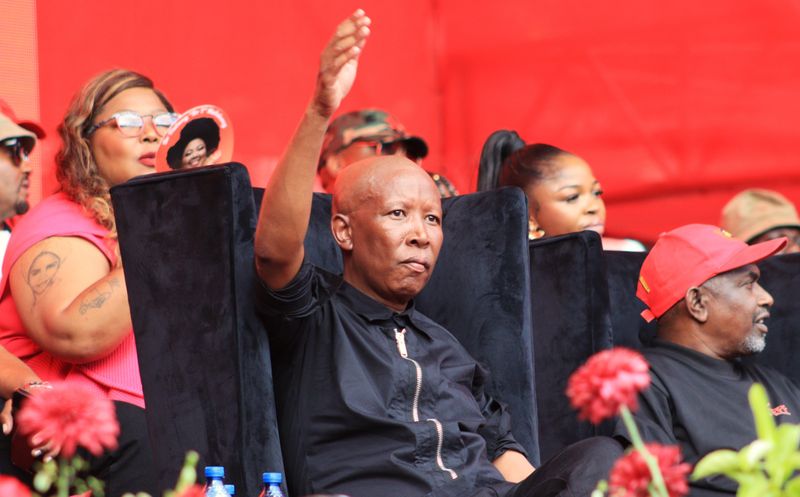
DIVISIVE WORDS: ‘We never called for literal killing’ — Malema appeals for farm killings to stop.
EFF leader Julius Malema says the chant “Kill the boer, kill the farmer” was never meant literally and has appealed for farm killings to stop.
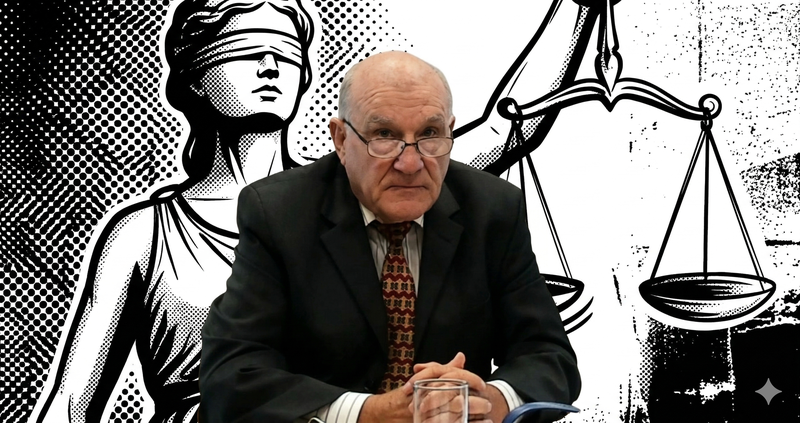
TRC ROULETTE : Victims’ families place key hidden evidence before Khampepe inquiry
A physical inspection of old lever arch files by the legal team representing the families of apartheid victims at the Khampepe Commission strengthens Anton Ackermann’s claim that a disputed 2006 memo was forged, reshaping the Khampepe inquiry into delayed apartheid prosecutions.
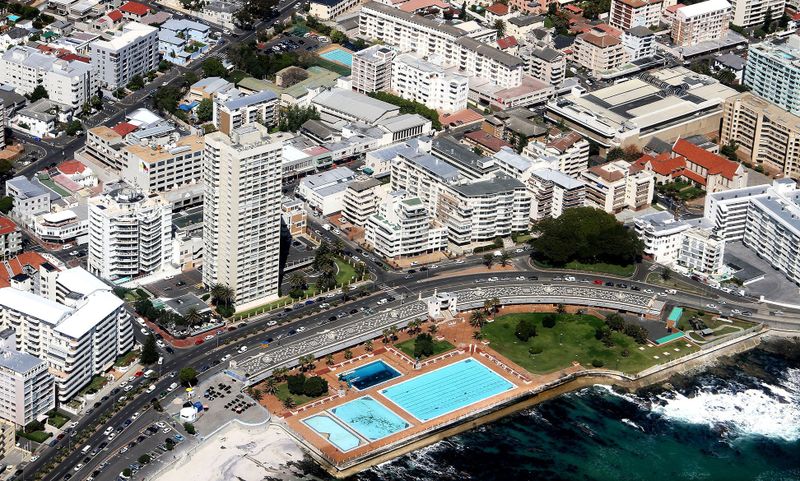
REAL ESTATE & GOVERNANCE: How SA property prices reflect municipal service delivery
South Africa’s property prices broadly track municipal performance, with Cape Town leading and Buffalo City lagging, but several metros challenge the pattern.
Top Stories
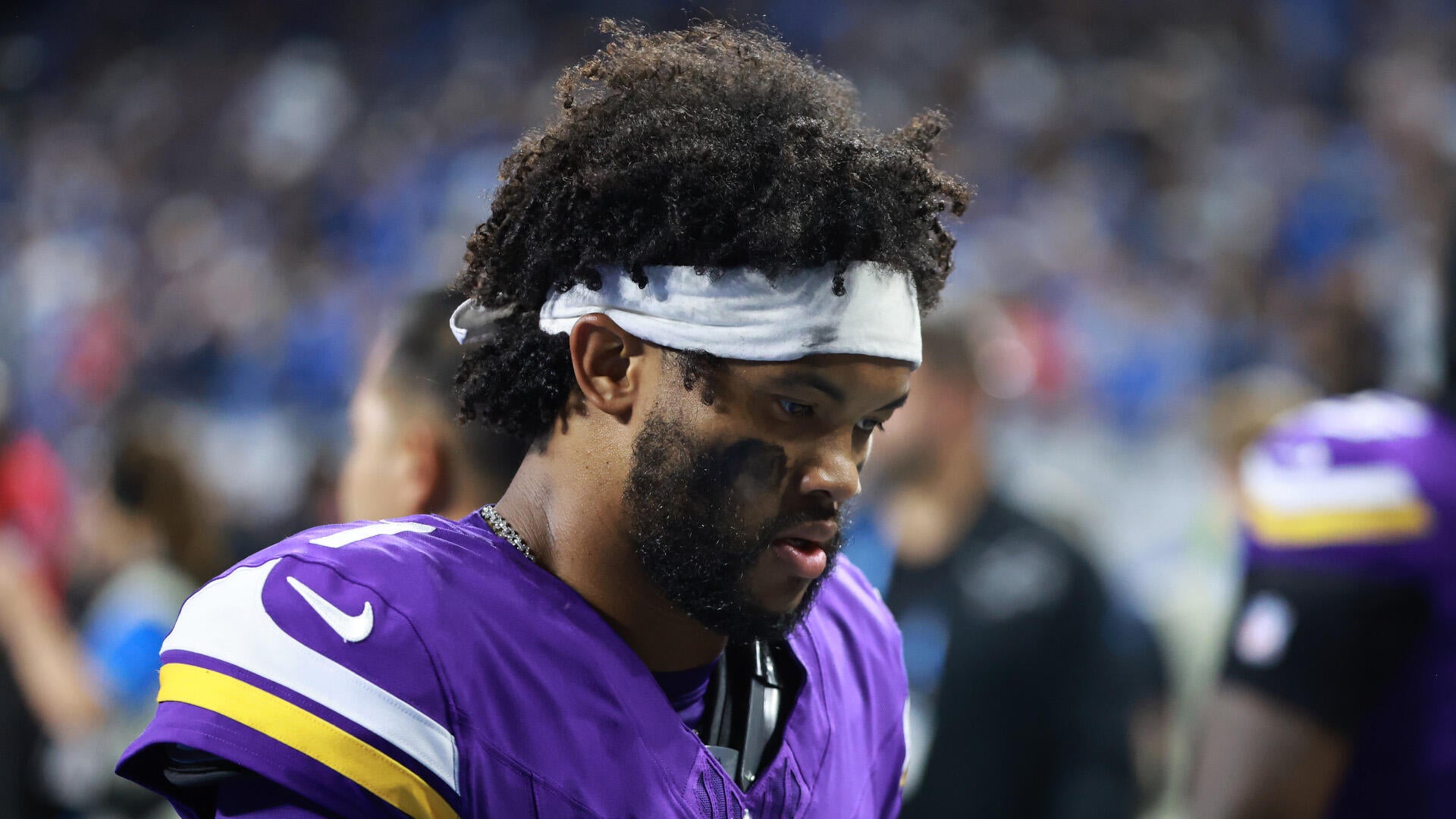
Week 8 overreactions: Time for Vikings to bench Kyler Murray? Colts should fire Steichen?
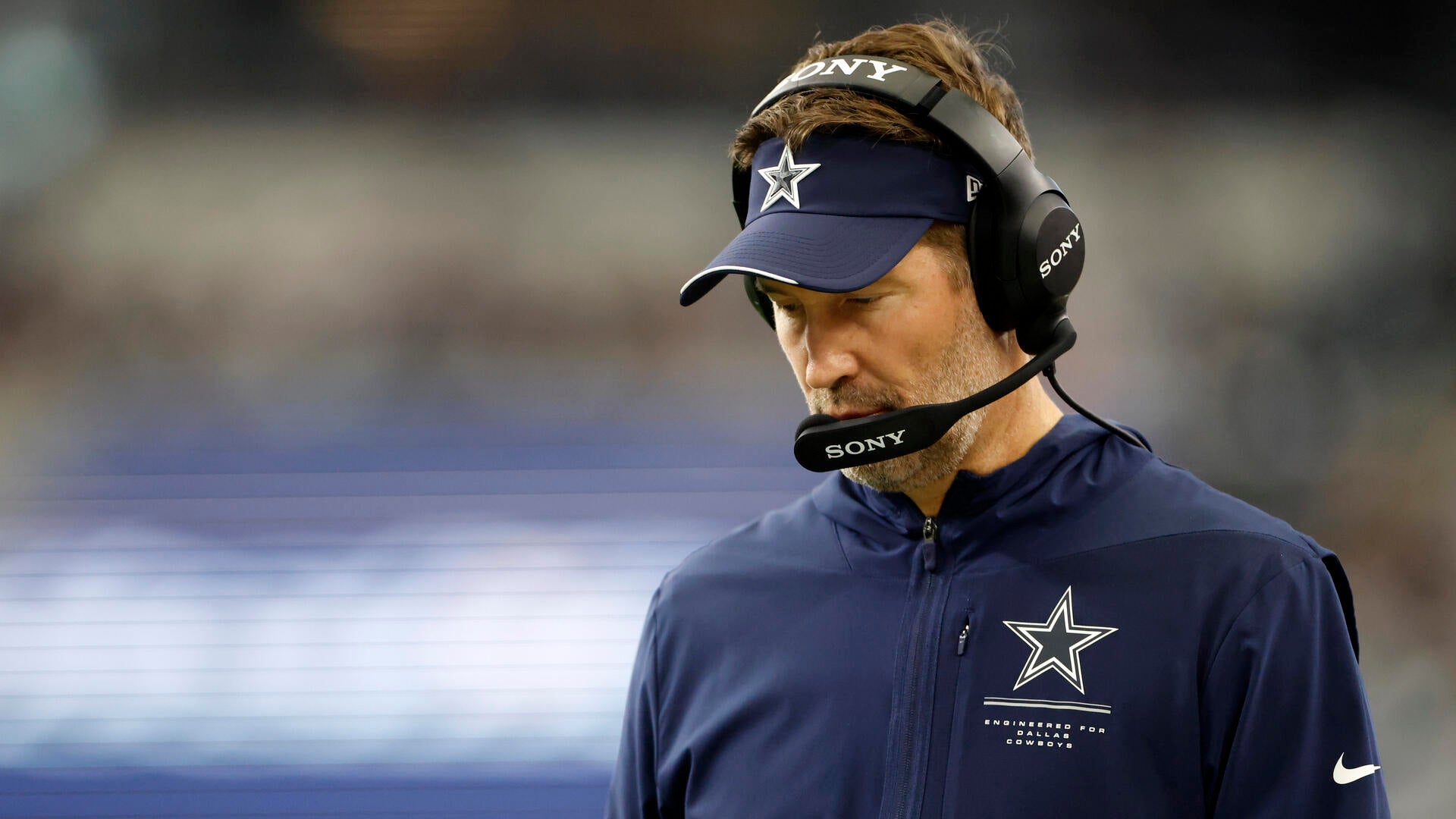
NFL Week 8 winners and losers: Cowboys suffer epic collapse, Joe Burrow delivers historic heroics

How Antonelli 'blew everyone away' to make Formula 1 history
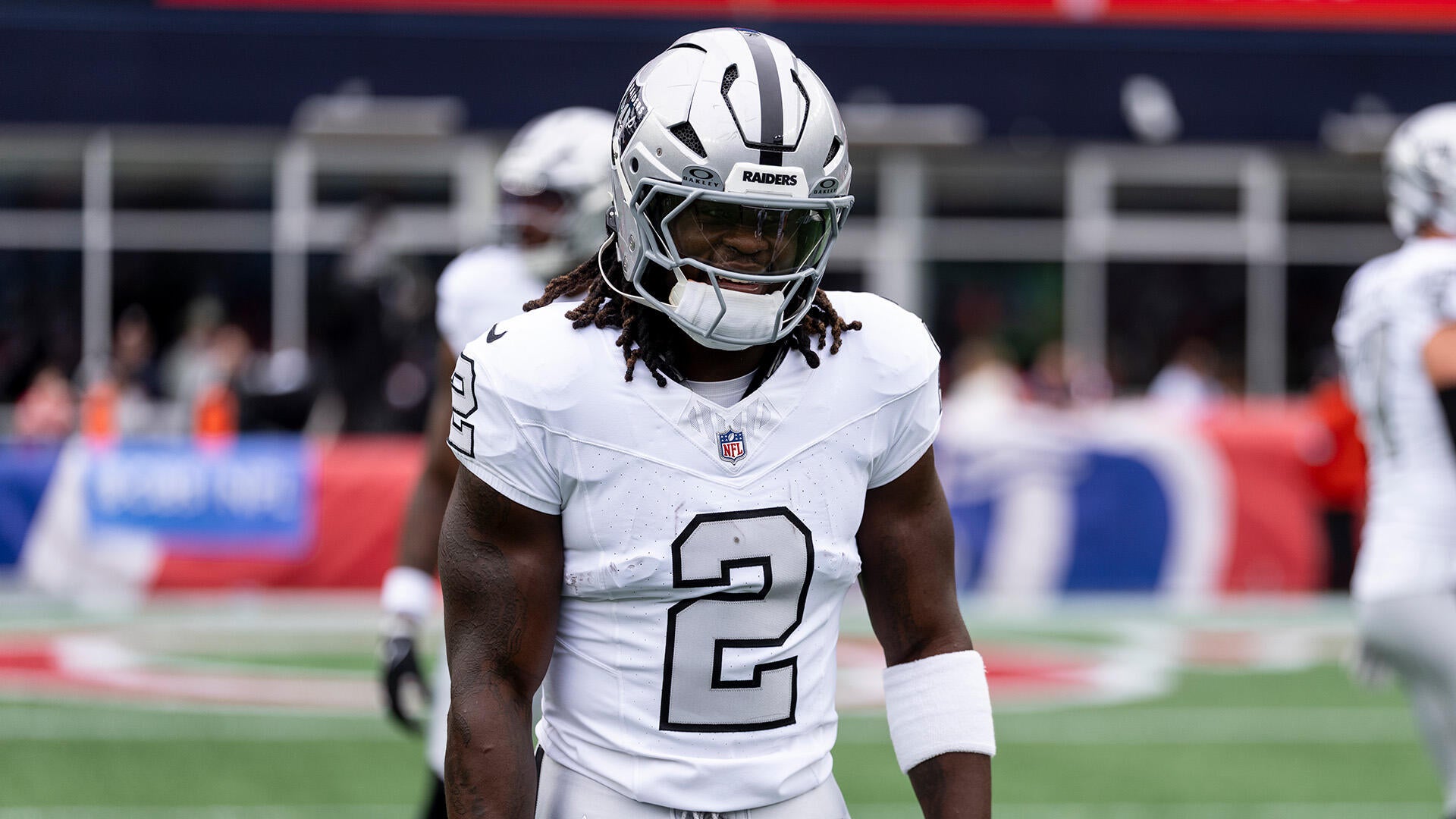
Why is Ashton Jeanty not getting carries? Another Raider emerges as Vegas' top RB in Week 8

Russia and Ukraine accuse each other of hacking emergency alert apps
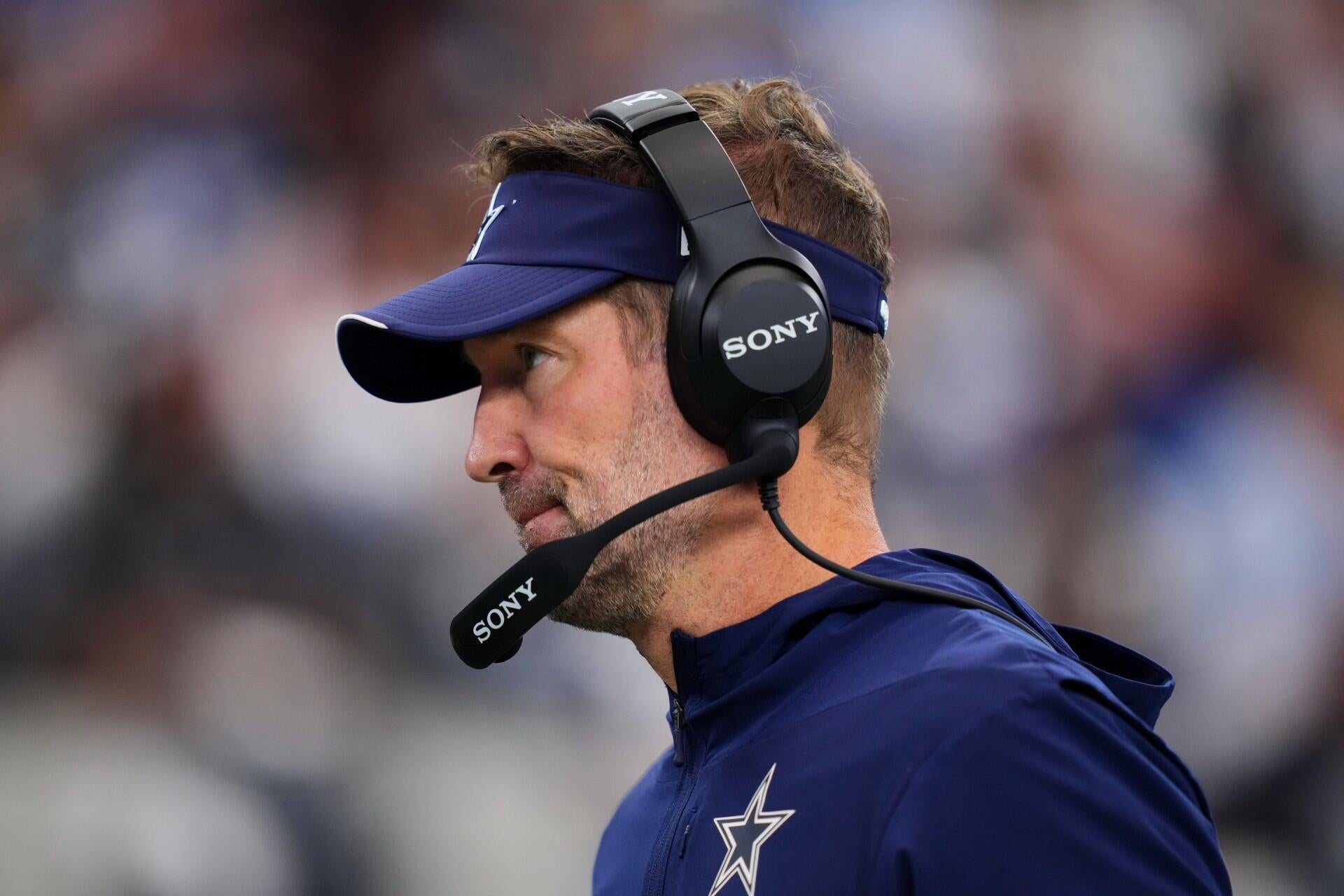
NFL Week 8 grades for every team: Cowboys get an 'F' for choking, Steelers surge to 'A+'

Ukraine air raid app apparently hacked as users receive false radiation threat, Air Force says

Binance users withdraw $3.6bn after record crypto hack
Latest
Week 8 overreactions: Time for Vikings to bench Kyler Murray? Colts should fire Steichen?
NFL Week 8 winners and losers: Cowboys suffer epic collapse, Joe Burrow delivers historic heroics
How Antonelli 'blew everyone away' to make Formula 1 history
Why is Ashton Jeanty not getting carries? Another Raider emerges as Vegas' top RB in Week 8
Russia and Ukraine accuse each other of hacking emergency alert apps
NFL Week 8 grades for every team: Cowboys get an 'F' for choking, Steelers surge to 'A+'
Ukraine air raid app apparently hacked as users receive false radiation threat, Air Force says
Binance users withdraw $3.6bn after record crypto hack