IEC captures all 14,245 results slips in KZN as 87 exceptions remain outstanding

KwaZulu-Natal Electoral Officer Ntombifuthi Masinga says the IEC has captured all 14,245 results slips across the province, with 25 still awaiting auditing and 87 outstanding exceptions to be cleared, mostly in eThekwini.
The Electoral Commission of South Africa (IEC) has captured all 14,245 results slips across municipalities in KwaZulu-Natal, with the commission now focusing on clearing outstanding exceptions, completing audits and investigating objections before the finalisation of the election results.
Speaking to IOL, KZN Electoral Officer Ntombifuthi Masinga said the commission was in a comfortable position as all results had been captured, with no further counting or recounting taking place anywhere in the province.
She said 25 results were still awaiting auditing, while 87 exceptions - results that the IEC's system has flagged for checking before they can be finalised - needed to be cleared by the IEC offices in eThekwini and Pietermaritzburg.
Of the 87 outstanding exceptions, 79 were in eThekwini and eight in Pietermaritzburg.
“Where we are now, we are in a comfortable space in that every result has been captured in the province. There is no one we’re still counting. There is no one who is recounting anywhere,” Masinga said.
She explained that one results slip had been returned after the IEC’s system detected an anomaly during the reconciliation process.
According to Masinga, the system has built-in parameters that identify discrepancies in results and automatically flags any results slips that do not meet reconciliation requirements.
“There is one that we have had to return because it wasn’t reconciling our system. It has got inbuilt parameters where it picks up any anomalies on our results. So it picks up that the reconciliation on that results slip was not in order,” she said.
Masinga said the IEC was working to resolve the matter, alongside the outstanding exceptions.
Masinga also provided an update on objections lodged during the electoral process, saying 446 Section 65 objections had been submitted nationally.
These are objections considered to have a material impact on the election results.
Of the 446 objections, two had been upheld, meaning there was merit in the objections, while eight had been withdrawn by the individuals who lodged them.
KwaZulu-Natal accounted for two of the objections, both originating in Pietermaritzburg and currently under investigation.
Masinga added that the IEC’s legal team was still working through the objections and that more matters could potentially be referred to the province for investigation.
However, other submissions had been categorised as complaints rather than Section 65 objections.
Masinga explained that complaints did not require the same urgency because they would not have a material impact on the preliminary results due to be released.
The IEC is expected to release preliminary election results, with the commission required by law to publish the official results in the Government Gazette within seven days of the election.
Masinga said the legal deadline for the publication of the official results was November 11.
“It means from the election date, our legal period expires on the 11th. So no matter what happens, by the 11th we should have gazetted the election results on the Government Gazette,” she said.
Masinga also explained how the IEC would deal with situations where candidates had won elections posthumously, resulting in vacancies in municipal councils.
She said the process depended on whether the dead candidate had been elected through the proportional representation (PR) system or as a ward councillor.
In the case of a PR vacancy, the IEC consults the political party concerned to establish whether it wants to retain the next candidate on its list, reshuffle the list or introduce an entirely new candidate.
The law gives political parties 21 days to decide who should fill the vacancy.
However, where a ward councillor dies after being elected, the vacancy triggers preparations for a by-election.
Municipal managers would have to formally declare the vacancies with the IEC after the publication of the election results.
She explained that the IEC would then develop a by-election timetable, with the law requiring the vacancy to be filled within 90 days.
This process would include opening the voters’ roll to allow eligible residents in the affected ward to register.
Masinga further clarified that political parties could not amend the candidate lists that had already been published during the current electoral process.
“All amendments can only happen after the first council meeting,” she said.
Related Topics
Keywords
Related Stories
LOCAL ELECTIONS 2026: ‘Our people are angry’ — MK party threatens to challenge election results
The uMkhonto Wesizwe party has warned that it could approach the Electoral Court of South Africa over alleged irregularities in the 2026 local government elections.

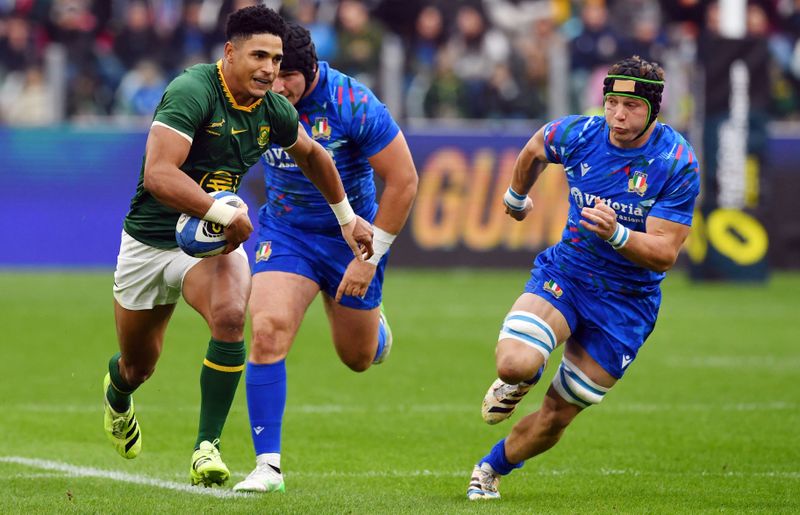
TRY FEST: Nine-try Springboks blitz Italy in Turin to set Nations Championship pace
The Springboks scored a record 66-7 (halftime 45-0) away win over Italy in a Nations Championship match in Turin on Saturday.
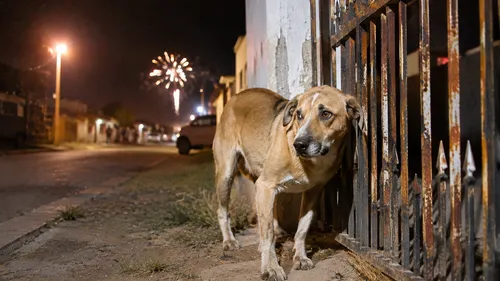
SPCA warns against fireworks cruelty as Diwali approaches
The Durban and Coast SPCA has urged residents to follow fireworks rules and protect pets from fear, injury and escape during Diwali celebrations.
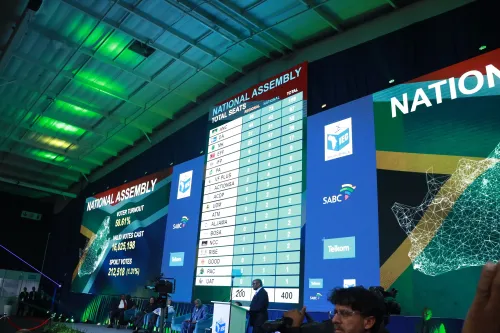
Five wards face recounts as IEC processes 197 election objections
The IEC has upheld two of 197 objections to South Africa’s 2026 local election results, ordering recounts in five wards before the final results are announced on Sunday.
Top Stories
LOCAL ELECTIONS 2026: ‘Our people are angry’ — MK party threatens to challenge election results
TRY FEST: Nine-try Springboks blitz Italy in Turin to set Nations Championship pace
SPCA warns against fireworks cruelty as Diwali approaches

Costco members can get $5 off the reimagined Ocarina of Time

Discogs’ Kevin Lewandowski can’t live without his AeroPress

Five people killed, multiple injured in Poland market shooting

No clear winner after tight New Zealand general election
Five wards face recounts as IEC processes 197 election objections
Latest
LOCAL ELECTIONS 2026: ‘Our people are angry’ — MK party threatens to challenge election results
TRY FEST: Nine-try Springboks blitz Italy in Turin to set Nations Championship pace
SPCA warns against fireworks cruelty as Diwali approaches
Costco members can get $5 off the reimagined Ocarina of Time
Discogs’ Kevin Lewandowski can’t live without his AeroPress
Five people killed, multiple injured in Poland market shooting
No clear winner after tight New Zealand general election
Five wards face recounts as IEC processes 197 election objections