Innovative school recycling programme reduces litter by 75% with giant wire fish
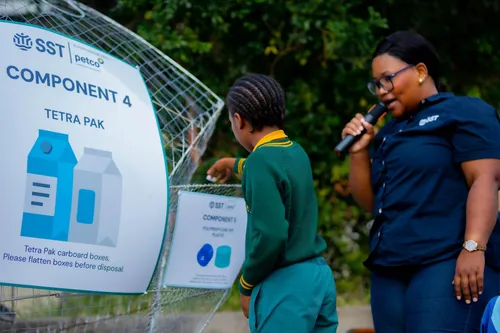
<p>Munch-on-the-Move is being rolled out in 11 schools across Cape Town, Durban and Gqeberha, with 22 expected to be onboarded by early 2027.
</p>
<p>Image: Supplied</p>
<p>A grassroots recycling programme is making waves in South African education, using a unique, eye-catching giant wire fish sculpture to tackle the country’s waste crisis. The initiative, known as "Munch-on-the-Move," is demonstrating that <a href="https://weekendargus.co.za/2026-06-22-false-bays-hidden-pollution-a-cocktail-of-pharmaceuticals-and-heavy-metals/" target="_blank" rel="noopener noreferrer">environmental action</a> can be both engaging and effective, with pilot schools reporting a litter reduction of more than 75%. Led by the Sustainable Seas Trust (SST), the programme is currently transforming waste management in 11 schools across Cape Town, Durban, and Gqeberha, with plans to expand to 22 schools by early 2027. </p>
<p><strong>Turning Waste Management into an Interactive Lesson</strong></p>
<p>The concept behind "Munch-on-the-Move" is simple yet highly effective: students "feed" recyclable waste to a giant wire fish sculpture named Munch. This interactive approach teaches learners how to separate materials at the source, ensuring they stay within the <a href="https://weekendargus.co.za/2026-06-10-cape-towns-forensic-crisis-how-the-ocean-complicates-identification-of-bodies/" target="_blank" rel="noopener noreferrer">recycling value chain</a> rather than ending up in landfills or polluting local waterways. Carla Kampman, Operation Clean Spot (OCS) manager at SST, said the initiative serves as a critical, visible reminder of the connection between land-based waste management and the health of marine ecosystems. "It’s a great visible reminder that protecting our marine life and addressing ocean pollution starts with managing our land-based sources of waste," said Kampman.</p>