Iran Mourns Supreme Leader Ayatollah Ali Khamenei
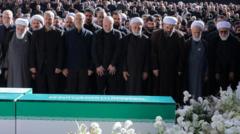
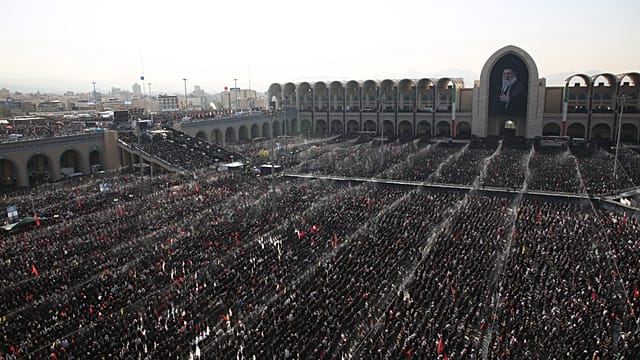
Iran has started a days-long funeral ceremony for its former Supreme Leader, Ayatollah Ali Khamenei, who was killed in a joint US-Israeli airstrike. The funeral ceremonies, which began before dawn, have drawn hundreds of mourners to Tehran.
The event marks a significant moment for the country, as it bids farewell to a leader who ruled Iran for more than three decades. Ayatollah Ali Khamenei's death occurred on February 28, at the start of the US-Israeli war against Iran.
As the funeral ceremonies got underway, senior officials were in attendance, but notably, Ali Khamenei's son Mojtaba was absent. The reason for his absence has sparked speculation, although no official explanation has been provided.
The funeral is expected to continue for several days, as the country pays its respects to the former Supreme Leader. The ceremonies are a significant event, not just for Iran, but also for the region, given the country's influence and the impact of Ayatollah Ali Khamenei's death on the ongoing conflict.
The killing of Ayatollah Ali Khamenei was a result of a joint US-Israeli airstrike, an event that marked the beginning of the US-Israeli war against Iran. The war has had significant implications for the region, and the funeral of the Supreme Leader is a poignant reminder of the ongoing conflict.
As Iran mourns the death of its former leader, the country is likely to experience a period of reflection and potentially, a re-evaluation of its position in the region. The absence of Mojtaba Khamenei from the funeral has raised questions, but it is unclear what this might mean for the country's future.
The international community is watching the developments in Iran closely, given the country's importance in the region and its role in the ongoing conflict. The funeral of Ayatollah Ali Khamenei is a significant event, and its impact will likely be felt for some time to come.