Is your salary safe? What to do when your boss messes with your pay

From unexpected salary deductions to late payments, South African employees have legal protections under the Basic Conditions of Employment Act. Here is what workers need to know about their rights and how to challenge unlawful deductions.
Payday should bring relief. But imagine checking your banking app on the 25th, only to discover that your salary has not been paid or, worse, that you have received less than you expected.
When you ask your manager what happened, they blame a cash register shortage, a damaged company laptop or a difficult month for the business.
With rent due and groceries to buy, an unexpected salary deduction can be frightening. Many employees feel powerless and accept the situation, believing their employer holds all the cards.
In South Africa, employees' wages and salaries are protected under the Basic Conditions of Employment Act (BCEA). Employers cannot simply deduct money from employees' salaries to cover business expenses or losses.
Here is what you need to know to protect your hard-earned money.
South African labour law places strict limits on salary deductions.
Under the BCEA, employers generally cannot deduct money from an employee's salary unless the employee has agreed in writing to a deduction relating to a specified debt or the deduction is required or permitted by law, a collective agreement, a court order or an arbitration award.
These exceptions include statutory deductions such as income tax and Unemployment Insurance Fund (UIF) contributions.
If your employer deducts money for a uniform, training course or workplace mistake without a lawful basis, the deduction could violate the BCEA.
Written consent does not automatically make every deduction lawful. Employers must still comply with the relevant legal requirements.
Suppose you accidentally drop a company phone or your cash register is short at the end of a shift. Can your employer deduct the cost from your salary?
Before deducting money to recover a loss or damage, an employer must meet specific requirements under the BCEA.
The loss must have occurred during the course of employment and must be attributable to the employee's fault. The employer must also follow a fair procedure and give the employee a reasonable opportunity to explain why the deduction should not be made.
The deduction cannot exceed the actual amount of the loss or damage.
Even where the legal requirements are met, deductions for loss or damage may not exceed 25% of the employee's remuneration in money.
These protections help prevent employees from facing excessive deductions that could leave them struggling to meet essential expenses.
What happens when your employer does not deduct money but simply pays your salary late?
One common explanation is that the business is waiting for clients to settle outstanding invoices. However, cash flow difficulties do not automatically excuse an employer from meeting their legal obligations.
Under the BCEA, employers must generally pay employees no later than seven days after the end of the period for which remuneration is payable, subject to applicable legal exceptions.
Employers must also comply with any lawful payment terms set out in employment contracts or applicable agreements.
If your contract specifies a particular payday, your employer cannot simply disregard that obligation because business is slow.
Employees are entitled to receive the remuneration they have earned in accordance with the law and their employment agreements.
Challenging an employer over unpaid wages or unlawful deductions can be intimidating, particularly when your family's livelihood depends on your salary.
Start by checking your employment contract, payslips and bank statements to establish how much you are owed. Raise the issue with your employer in writing and request an explanation for any missing payment or deduction.
If the matter remains unresolved, you may seek assistance from the Department of Employment and Labour or, where applicable, the Commission for Conciliation, Mediation and Arbitration (CCMA).
Legal advice can also help employees understand their rights and determine the most appropriate course of action.
Organisations such as Legal Leaders provide guidance on employment-related legal matters and help workers understand the protections available to them.
Your salary is compensation for the work you perform. Understanding your rights is an important step towards protecting your income and challenging unlawful workplace practices.
** Aslam Moolla is the founder and director of Legal Leaders and co-founder of Legal Leaders Insurance. He is a passionate labour lawyer with over 14 years of experience. Moolla and the Legal Leaders have become a prominent voice for workplace fairness and a commitment to ensuring every South African knows their rights and how to defend them.
***The views expressed here do not necessarily represent those of IOL.
Related Topics
Keywords
Related Stories
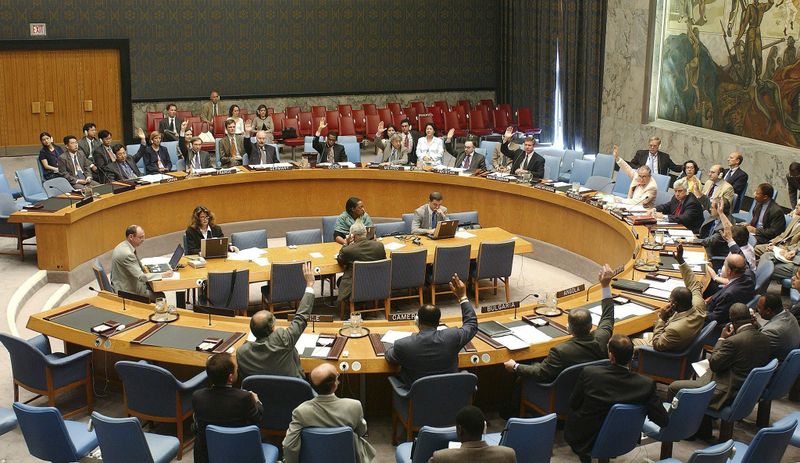
UN peacekeeping mission in Western Sahara ends after 35 years, UN chief says
Nov 1 (Reuters) - The 35-year-old UN peacekeeping mission in the Western Sahara region will come to an end after the Security Council failed to renew its mandate, the UN chief said on Sunday.
CONGRESS IN THE BALANCE: A blue tsunami, a tide, or chaos as usual — the US midterm election
With just hours to go before the American midterm election takes place, the day before South Africa’s own local election, control of both houses of the American Congress hangs in the balance.
DIVISIVE WORDS: ‘We never called for literal killing’ — Malema appeals for farm killings to stop.
EFF leader Julius Malema says the chant “Kill the boer, kill the farmer” was never meant literally and has appealed for farm killings to stop.
TRC ROULETTE : Victims’ families place key hidden evidence before Khampepe inquiry
A physical inspection of old lever arch files by the legal team representing the families of apartheid victims at the Khampepe Commission strengthens Anton Ackermann’s claim that a disputed 2006 memo was forged, reshaping the Khampepe inquiry into delayed apartheid prosecutions.
Top Stories
UN peacekeeping mission in Western Sahara ends after 35 years, UN chief says
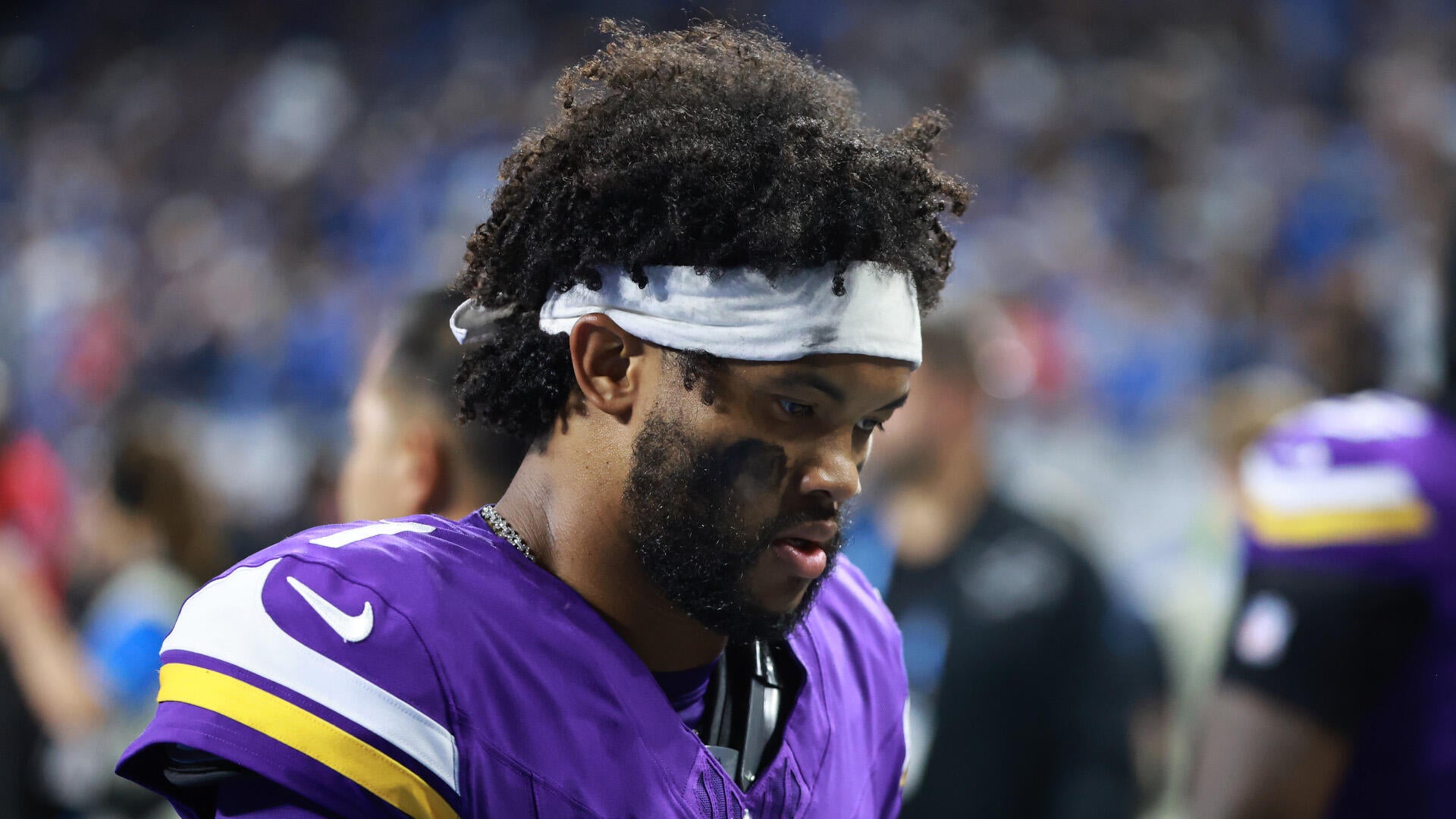
Week 8 overreactions: Time for Vikings to bench Kyler Murray? Colts should fire Steichen?

NFL Week 8 winners and losers: Cowboys suffer epic collapse, Joe Burrow delivers historic heroics

How Antonelli 'blew everyone away' to make Formula 1 history

Why is Ashton Jeanty not getting carries? Another Raider emerges as Vegas' top RB in Week 8

Russia and Ukraine accuse each other of hacking emergency alert apps

NFL Week 8 grades for every team: Cowboys get an 'F' for choking, Steelers surge to 'A+'

Ukraine air raid app apparently hacked as users receive false radiation threat, Air Force says
Latest
UN peacekeeping mission in Western Sahara ends after 35 years, UN chief says
Week 8 overreactions: Time for Vikings to bench Kyler Murray? Colts should fire Steichen?
NFL Week 8 winners and losers: Cowboys suffer epic collapse, Joe Burrow delivers historic heroics
How Antonelli 'blew everyone away' to make Formula 1 history
Why is Ashton Jeanty not getting carries? Another Raider emerges as Vegas' top RB in Week 8
Russia and Ukraine accuse each other of hacking emergency alert apps
NFL Week 8 grades for every team: Cowboys get an 'F' for choking, Steelers surge to 'A+'
Ukraine air raid app apparently hacked as users receive false radiation threat, Air Force says