Mahershala Ali wrestles with faith and violence
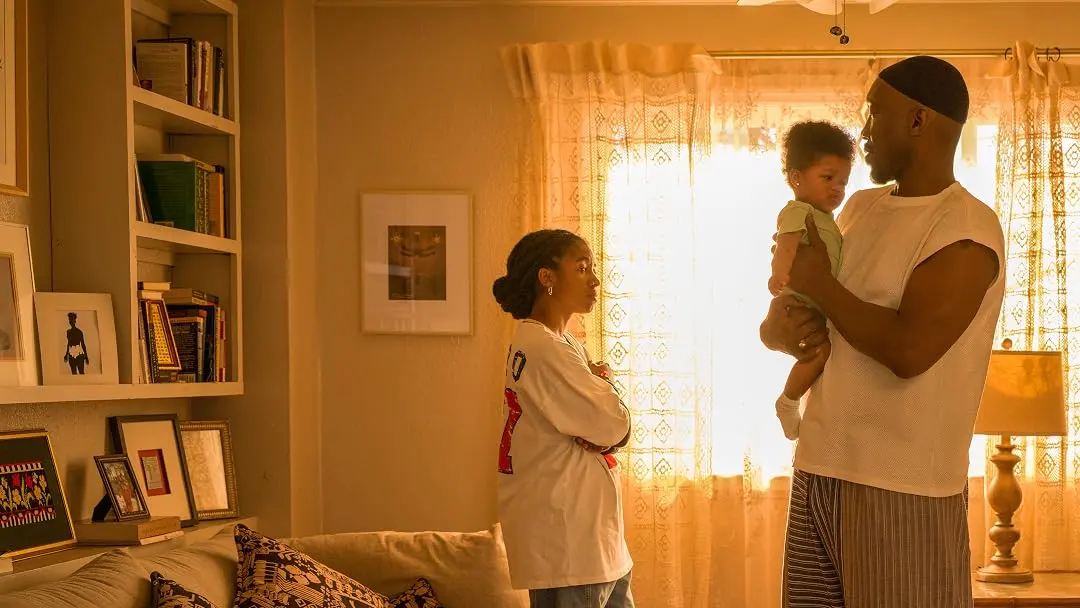
Your Mother Your Mother Your Mother begins with a hadith. A man asks Prophet Muhammad who deserves the best of him. “Your mother,” the Prophet replies. Who next? “Your mother.” And after that? “Your mother.”
Only when the man asks a fourth time does the Prophet say, “Your father.”
Writer-director Bassam Tariq takes his title from that exchange, and it is the key to everything that follows.
That matters because the marketing points somewhere else. The trailers sell a hitman thriller. Mahershala Ali’s Latif is indeed a hired killer but anyone expecting wall-to-wall action will find far less of it than promised. It didn’t bother me.
This is a slow-burn character study punctuated by a few bursts of violence that briefly turn it into a pulpy samurai thriller. The violence is the seasoning. The stew is a family in mourning.
Early on, Latif’s wife Khadijah dies, leaving him a single father to teenage daughter Fatiha (Adia), 10-year-old Qadir (Jahleel Kamara) and newborn Aziza (Brooklyn and Jaxon Hughes).
Mike Mahmoudi (Laith Nakli), a shady security specialist Latif has done hits for before, wants him to murder Hwan Yoon (John Cho), a creepy Christian cult leader who has threatened Mahmoudi’s nephew Hatty (Abubakr Ali), insisting that the porn studio Hatty runs is a front for human trafficking.
But the most urgent crisis isn’t the contract. It’s that the family is running out of breast milk for Aziza.
That detail is the film’s thesis in miniature: a hitman movie whose most pressing stakes are domestic.
Tariq keeps returning to that idea. Latif is homeschooling his two elder children, so we watch him go over their schoolwork. We watch him clean the house.
This is the unglamorous, unseen labour that the hadith suggests mothers are owed so much for, and the film treats it with the same seriousness as any confrontation with a gun or a sword. Ali, a two-time Academy Award winner, holds it all together with a performance that draws on his soulfulness and his physicality.
The hadith returns near the end and Fatiha is revealed to be the one reciting it to her little brother. Qadir’s response: “That means Dad was trying to fill shoes three times his size,” is the film naming its own theme out loud and it lands because it comes from a child.
Adia is excellent as Fatiha, who is a second parent to her siblings and the film’s moral conscience, balancing the rebelliousness of a teenager with the responsibilities of a family pillar. In one scene Latif tells her, “You have all the best parts of your mother,” a compliment that doubles as a weight. His teasing about her crush on the Mormon Elder Wade (John Henry Ward) next door lets a little light into the house.
The film is just as serious about Latif’s central contradiction: a devout Muslim who kills for money. He is challenged about it repeatedly, by his imam Abdul Malik (Giancarlo Esposito), by his brother Talib (Tramell Tillman), by Hatty and, most pointedly, by Fatiha.
It isn’t a hook the film drops once the premise is established. It’s a question it keeps asking. It reminded me of Ali’s Oscar-winning work in Moonlight, where he played Juan, a Miami drug dealer who becomes a father figure to a boy whose mother is addicted. In both films, Ali lets tenderness and harm live in the same man without pretending the tension can be neatly resolved.
There’s also a pleasing bit of backstory. Ali and Tariq have spoken about how this film grew out of the aborted reboot of Blade, the vampire-hunting comic book character made famous by Wesley Snipes.
They met when Ali was tapped to play the role. Ali trained in sword fighting for a year before the project was scrapped. That training is on full display here. He has also said he kept listening to Honour Killed The Samurai, the album by the late rapper Ka, to get into character as Latif, which feels fitting for a film where a blade and a conscience share the same hands.
The rest of the ensemble is strong. Cho and Nakli are effective as mirror slimeballs, with Abubakr Ali as an irritating Hatty caught between them, and Tiffany Boone makes the most of a small role as Fugazi, a former sex worker and follower of Yoon. My reservation is the ending, which I’ll leave unspoilt. It leans into the film’s religious themes in a way that is too symbolic, too neat and abrupt. One interpretation is that Latif must ultimately choose faith over violence, which is the logical destination for everything the film has built.
But a conclusion that big needs to be earned. I didn’t feel it was. Some viewers might find it a turn-off and I can see why. It didn’t take away from my enjoyment but it is the one place where the film’s ambition outruns its execution.
I’m glad I’d been looking forward to this one for months. Your Mother Your Mother Your Mother understands that sometimes the bravest thing a man can do is keep his children fed, schooled and safe. In Ali’s hands it feels like the most heroic act in the film.
Related Topics
Keywords
Related Stories
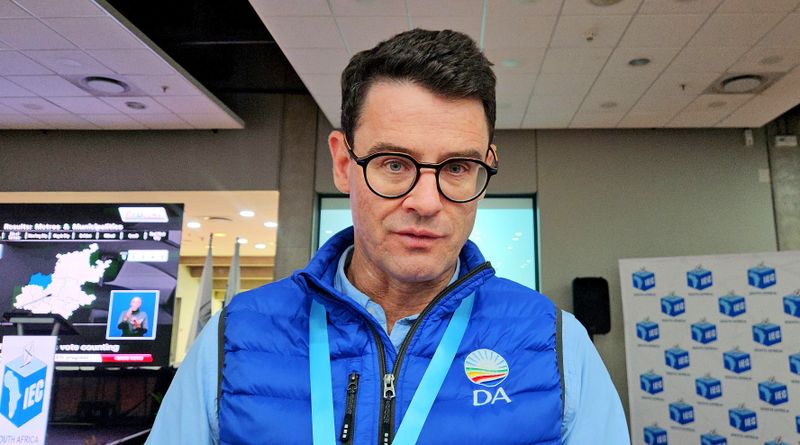
LOCAL ELECTIONS 2026: DA draws coalition red lines as Nelson Mandela Bay results take shape
With the DA leading the vote count in Nelson Mandela Bay, provincial leader Andrew Whitfield says the party is open to coalition negotiations but will not work with the EFF or MK party. He says good governance and service delivery, rather than positions and power, must guide any…
Gov Abiodun declares Ogun ready for state police
The governor described the establishment of state police as a critical step towards strengthening security, protecting investments and sustaining the state’s growing economic activities The post Gov Abiodun declares Ogun ready for state police appeared first on Premium Times…

Former Cross River PDP chair doubts party’s 2027 chances
Former Cross River PDP chairman Venatius Ikem questions the party’s ability to challenge the APC in 2027, describing its structures as fragmented and its Wike-backed presidential candidate, Sandy Onor, as politically invisible. The post Former Cross River PDP chair doubts…

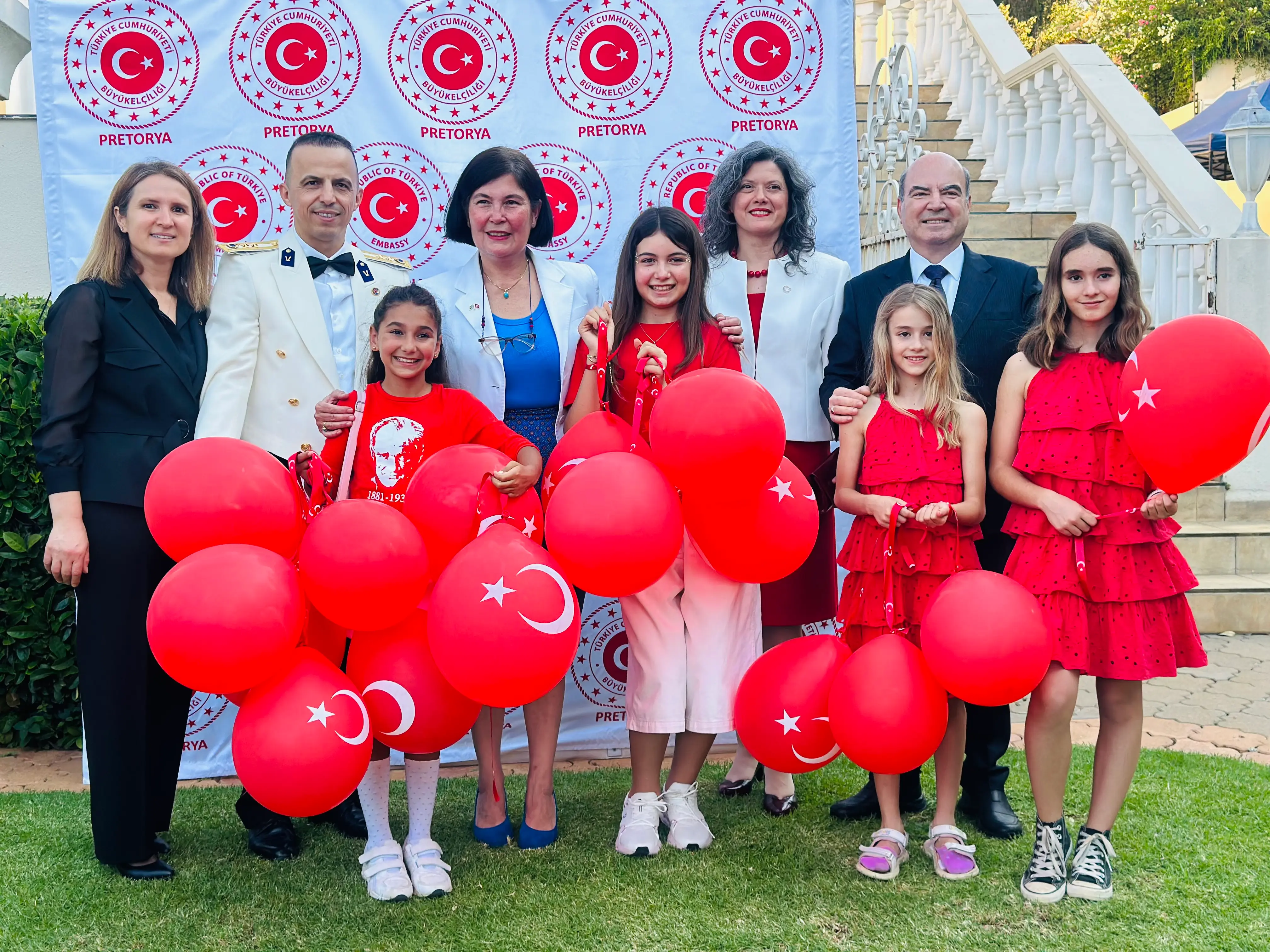
Türkiye and SA look to a bigger future together
The Embassy of the Republic of Türkiye in Pretoria celebrated the 103rd anniversary of the proclamation of the Republic, spotlighting growing diplomatic and economic ties with South Africa.
Top Stories
LOCAL ELECTIONS 2026: DA draws coalition red lines as Nelson Mandela Bay results take shape

USMNT's Gold Cup path to look different as Concacaf unveils revamped group-stage format

Best horse racing betting sites: Where to bet on horse racing
Gov Abiodun declares Ogun ready for state police
Former Cross River PDP chair doubts party’s 2027 chances

Cowboys stars reject George Pickens trade talk ahead of NFL deadline
Türkiye and SA look to a bigger future together

Firms told to publish salaries in job adverts ahead of new law
Latest
LOCAL ELECTIONS 2026: DA draws coalition red lines as Nelson Mandela Bay results take shape
USMNT's Gold Cup path to look different as Concacaf unveils revamped group-stage format
Best horse racing betting sites: Where to bet on horse racing
Gov Abiodun declares Ogun ready for state police
Former Cross River PDP chair doubts party’s 2027 chances
Cowboys stars reject George Pickens trade talk ahead of NFL deadline
Türkiye and SA look to a bigger future together
Firms told to publish salaries in job adverts ahead of new law