MK Party eyes control of eThekwini's R75bn budget as coalition battle looms
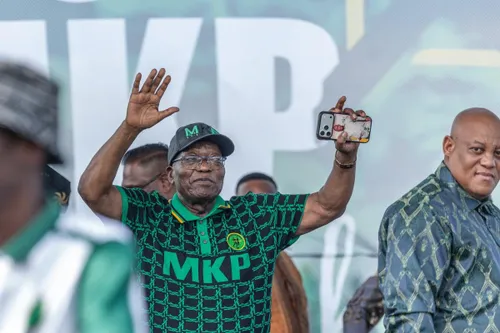
Former South African President and uMkhonto weSizwe (MK) Party leader Jacob Zuma (C) waves to supporters at the party's final election rally in KwaMashu township, outside Durban, on November 1, 2026, ahead of the local government elections scheduled for November 4, 2026.
A think tank within the uMkhonto weSizwe (MK) Party is being assembled to advise and guide the party as it prepares for the possibility of taking control of eThekwini's R75 billion municipal budget.
With just two days to go before South Africans head to the polls in the local government elections, MK insiders are confident that former president Jacob Zuma's party will secure an outright majority in Durban and are already preparing for life in government.
"We are taking eThekwini and will surprise a lot of people. We anticipate a majority and are not even looking at a coalition for now. We want to ensure that the budget serves everyone, especially poor communities, and are putting together a think tank that will provide oversight and ensure accountability," a senior MK insider told IOL.
But while MK is preparing to govern, its political rivals are contemplating a different outcome — one in which the party could emerge with the largest share of votes but still find itself locked out of power.
With eThekwini emerging as one of the country's most fiercely contested electoral battlegrounds, several opinion polls have placed MK ahead of its political rivals, despite an aggressive campaign by the DA to rally support against an MK-led administration.
The party, led by Zuma, has emerged as a major political force in KwaZulu-Natal, with polling suggesting significant support in eThekwini despite persistent internal divisions and leadership disputes.
It is a reality acknowledged even by the DA's eThekwini mayoral candidate, Haniff Hoosen.
"We've always been open about Zuma's influence and popularity despite all the issues in MK. It took more than 30 years for people to bring the ANC down. The Madiba loyalty is what drove people to vote for the ANC despite the party's failures. It's the same with MK. People vote because of loyalty and the protection of Zulu interests, which is how they perceive MK," Hoosen told IOL.
Despite MK's confidence, political insiders within KwaZulu-Natal's Government of Provincial Unity (GPU) believe the party could once again be excluded from government through a coalition arrangement.
"We met our coalition partners and agreed to work together to keep MK out," a senior ANC leader told IOL.
However, eThekwini presents a different political dynamic. The DA is currently in opposition, while the ANC, EFF and NFP are coalition partners.
That arrangement could change, depending on behind-the-scenes discussions.
A senior ANC insider admitted that the party is facing an internal revolt over its relationship with the DA.
"The ANC's marriage with the DA in the GNU did not help the party. It isolated us further from our traditional black voters who want to see us form coalitions with other black parties. We've been talking with MK, but we still need to find each other. This election will take those conversations forward. The DA can't divide us forever," the ANC insider told IOL.
Coalition politics is here to stay. It has become a defining feature of South Africa's political landscape, but the devil is in the detail.
Can the ANC and MK put aside their differences and find common ground? Or will the ANC continue its partnership with the DA and IFP, even if that means excluding a party with substantial electoral support?
And could growing dissatisfaction within ANC ranks over its relationship with the DA intensify pressure on President Cyril Ramaphosa and the party's national leadership?
The latest eNCA/MarkData survey on coalition preferences highlights divisions among party supporters.
According to the survey, 39% of ANC respondents identified MK as their preferred coalition partner, compared with just 12.1% who favoured the DA.
Among DA respondents, 56% rejected the ANC as a coalition partner, illustrating the potential difficulties of negotiating and sustaining such an arrangement.
For Durban residents, however, it is about bread-and-butter issues.
The city faces mounting water shortages, deteriorating infrastructure, service delivery failures and declining public confidence in municipal governance.
The election will determine not only who represents residents but also the political arrangements under which Durban will be governed for the next five years.
** The views expressed here do not necessarily represent those of IOL.
Related Topics
Keywords
Related Stories
DIGITAL POLITICS OP-ED: The anti-foreigner movement squares up to the state in run-up to elections
From xenophobic campaigning to farm attacks and coordinated influencer messaging, political factions sharpen their attacks on the government and rivals before the 4 November local elections.
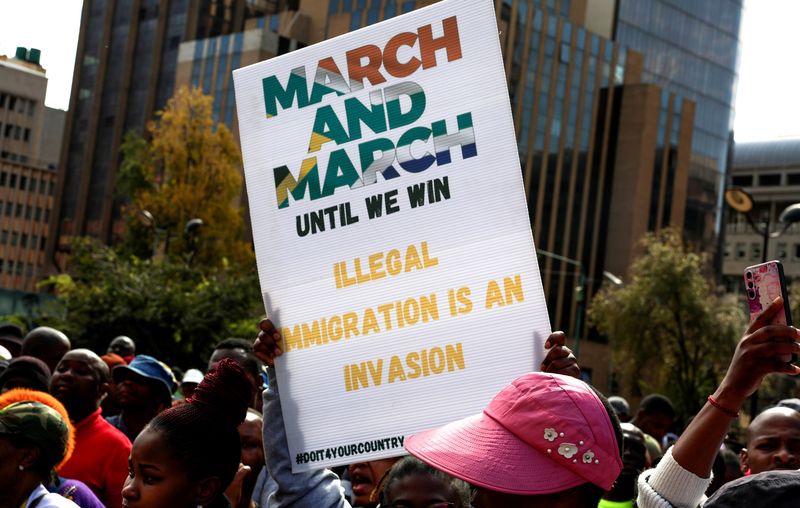
Afghanistan asks US to act responsibly on deporting Afghan immigrants back home
The Afghan Taliban government asked the United States to act responsibly when deporting Afghan immigrants back home, the Afghan foreign ministry said on Monday, adding that Kabul was prepared to engage constructively with Washington on the issue.
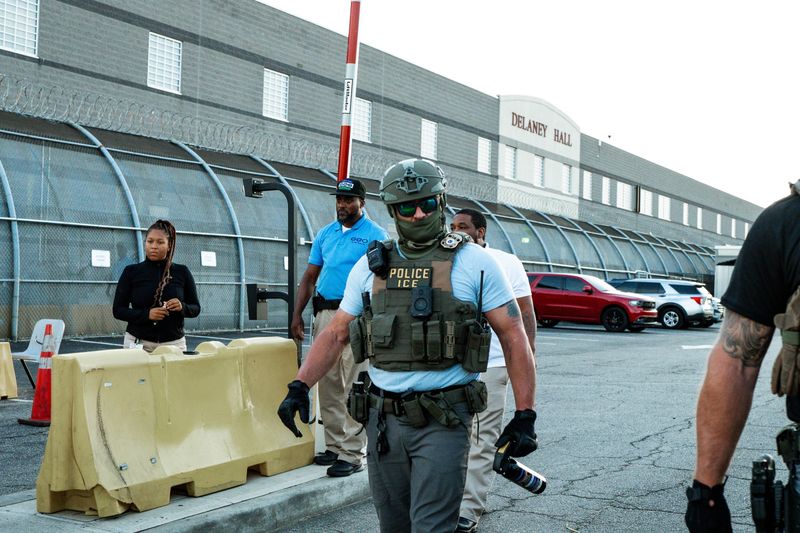
Bulgaria’s Iotova wins presidential runoff, near-final results show
Bulgaria's acting President Iliana Iotova won the presidential runoff election, near-final results from the Central Election Commission showed on Monday, becoming the country's first elected female head of state amid low voter turnout.
China’s Xi says Middle East should not become battleground for great power rivalry
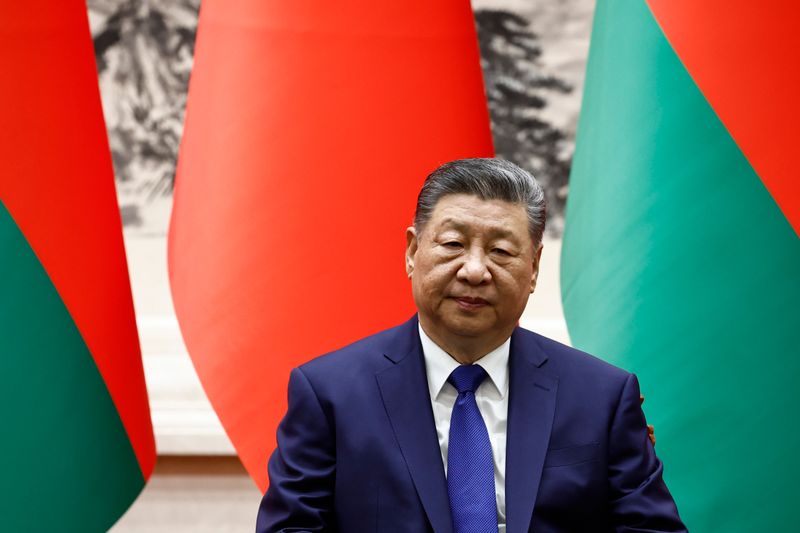
The Middle East and Gulf region should not become a battleground for great-power rivalry and China is willing to work with Arab nations to achieve lasting peace, Chinese President Xi Jinping told Oman's sultan on Monday
Top Stories
DIGITAL POLITICS OP-ED: The anti-foreigner movement squares up to the state in run-up to elections
Afghanistan asks US to act responsibly on deporting Afghan immigrants back home
Bulgaria’s Iotova wins presidential runoff, near-final results show
China’s Xi says Middle East should not become battleground for great power rivalry

PZ Cussons shareholders approve N9.926bn dividend payout
Martin Meyer urges KZN special voters to turn out for local elections
Fake alerts warn of nuclear danger as Ukraine and Russia report emergency app hacks
China-Africa green energy forum strengthens research ties in Jinan
Latest
DIGITAL POLITICS OP-ED: The anti-foreigner movement squares up to the state in run-up to elections
Afghanistan asks US to act responsibly on deporting Afghan immigrants back home
Bulgaria’s Iotova wins presidential runoff, near-final results show
China’s Xi says Middle East should not become battleground for great power rivalry
PZ Cussons shareholders approve N9.926bn dividend payout
Martin Meyer urges KZN special voters to turn out for local elections
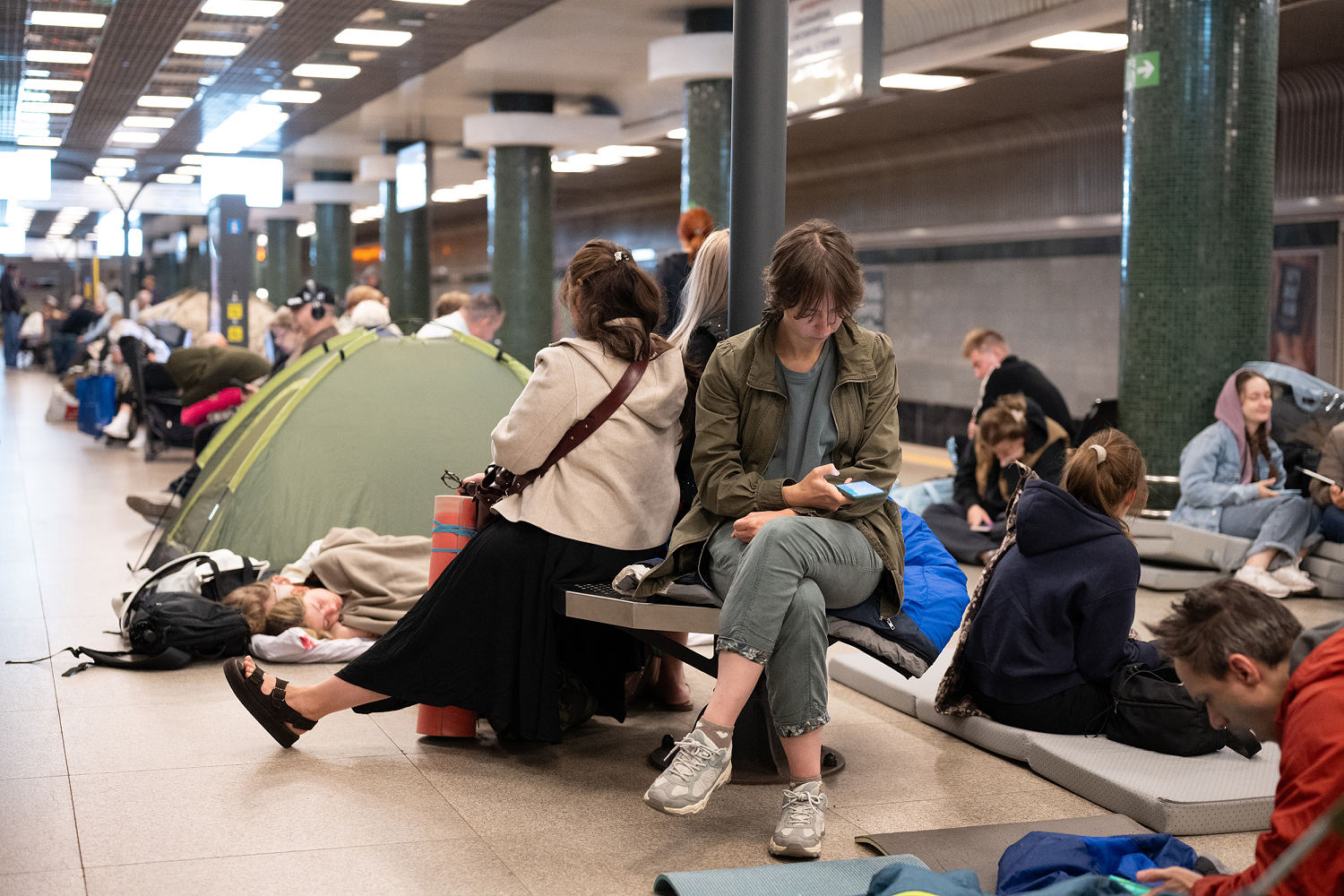
Fake alerts warn of nuclear danger as Ukraine and Russia report emergency app hacks
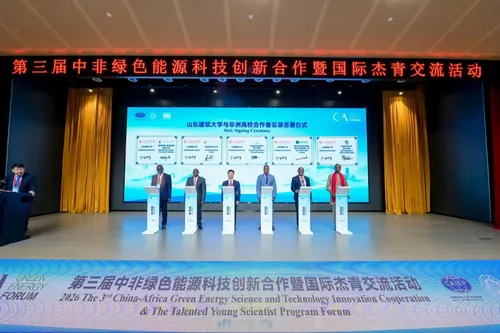
China-Africa green energy forum strengthens research ties in Jinan