MK Party rejects DA’s ‘municipal capture’ claims in KZN
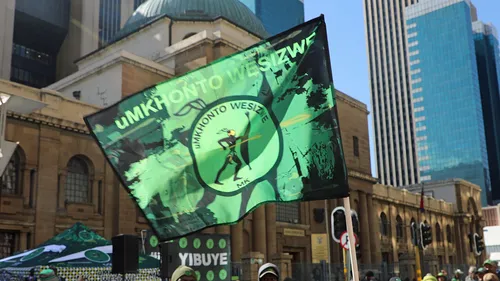
The MK Party in KwaZulu-Natal has rejected DA claims that it wants to capture municipalities, saying voters have the democratic right to choose which party governs them.
The uMkhonto weSizwe Party (MK Party) in KwaZulu-Natal has rejected the DA’s claims that it wants to capture municipalities, saying voters have the right to remove parties they believe have failed them and choose a new political direction in the November 4 local government elections.
The response follows DA KwaZulu-Natal leader Sithembiso Ngema’s criticism of the MK Party at the DA’s final election rally in eThekwini on Sunday, where he questioned the party’s leadership stability, ability to govern and capacity to manage the city’s R72 billion budget.
Ngema questioned the MK Party’s leadership following the removal of its secretary-general and warned that changes in its leadership could lead to instability in municipalities, including repeated changes to mayors, deputy mayors and speakers.
“They just fired and removed the secretary-general. This is just a clumsy leadership,” Ngema said.
He also questioned whether the MK Party could manage eThekwini’s finances, saying: “This cannot happen under our watch as the DA.”
In response, MK Party KwaZulu-Natal elections spokesperson Mkhuseli Mlengane said the DA was trying to frighten voters rather than engage honestly with the political and economic challenges facing communities.
The party argued that municipalities belonged to the people, not political parties or established political elites, and that seeking a democratic mandate through elections could not be described as capturing municipalities.
“The people of KwaZulu-Natal have every right to choose a new political direction and to remove parties they believe have failed them,” Mlengane said.
The MK Party said communities needed practical plans to address unreliable water supplies, deteriorating roads, crime, unemployment and the lack of meaningful economic opportunities, rather than warnings intended to protect the political status quo.
“When communities demand reliable water, functioning roads, clean and accountable municipalities, safer neighbourhoods, jobs and meaningful economic opportunities, they deserve answers and practical plans - not alarmist warnings designed to protect the status quo,” Mlengane said.
The party challenged the DA to explain its own record and policies instead of attempting to discredit the MK Party through claims about leadership instability.
It said it was building its structures and preparing to contest the local government elections on the strength of its programme, members and support from voters.
“Our readiness to govern will be judged by voters, not by the DA's political commentary,'' Mlengane said.
Ngema, however, warned that changes in municipal leadership could undermine stability, arguing that the MK Party could replace mayors, deputy mayors and speakers to suit its political objectives.
The MK Party also challenged the DA’s position on equality, arguing that political parties should not ignore the social and economic inequalities affecting black working-class communities.
“Black people are not political tokens to be used for electoral convenience, nor should they be expected to accept political arrangements that leave historical inequalities untouched,” Mlengane said.
The party rejected politics that treated black communities as instruments rather than people entitled to dignity, ownership, opportunity and accountable public services.
It called on voters to assess every political party according to its record, policies and commitment to serving communities, rather than allowing political threats, rhetoric or attempts to discredit rivals to determine their choices.
“The future of our municipalities must be decided by the people, not by threats, political spin or attempts to delegitimise a rival movement,” Mlengane said.
The MK Party said it would remain focused on disciplined campaigning, community engagement and offering an alternative in local government. It also committed to organising peacefully and respecting the democratic process.
Related Topics
Keywords
Related Stories
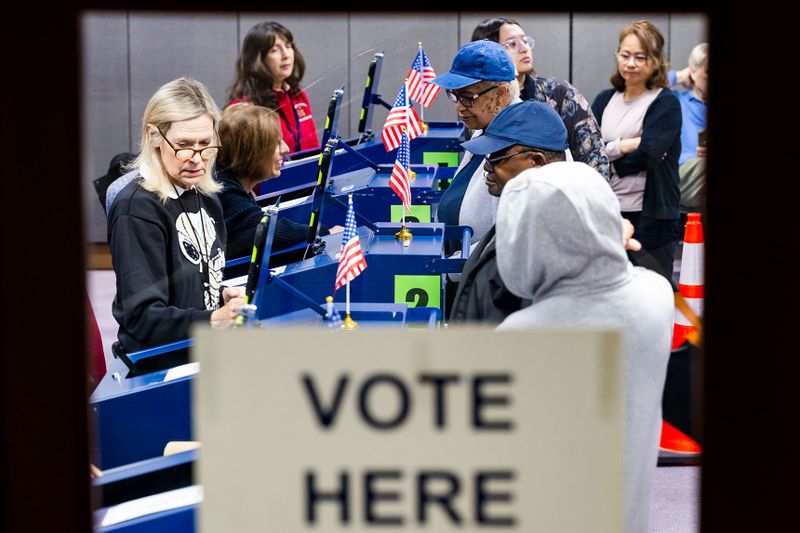
CONGRESS IN THE BALANCE: A blue tsunami, a tide, or chaos as usual — the US midterm election
With just hours to go before the American midterm election takes place, the day before South Africa’s own local election, control of both houses of the American Congress hangs in the balance.
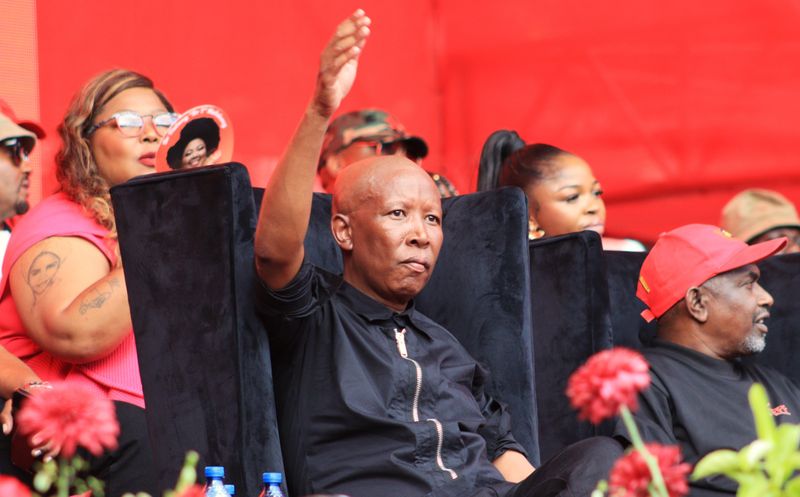
DIVISIVE WORDS: ‘We never called for literal killing’ — Malema appeals for farm killings to stop.
EFF leader Julius Malema says the chant “Kill the boer, kill the farmer” was never meant literally and has appealed for farm killings to stop.
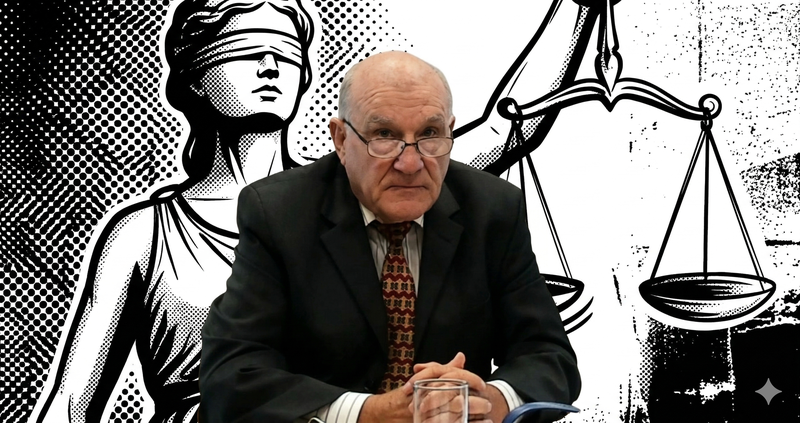
TRC ROULETTE : Victims’ families place key hidden evidence before Khampepe inquiry
A physical inspection of old lever arch files by the legal team representing the families of apartheid victims at the Khampepe Commission strengthens Anton Ackermann’s claim that a disputed 2006 memo was forged, reshaping the Khampepe inquiry into delayed apartheid prosecutions.
REAL ESTATE & GOVERNANCE: How SA property prices reflect municipal service delivery
South Africa’s property prices broadly track municipal performance, with Cape Town leading and Buffalo City lagging, but several metros challenge the pattern.
Top Stories
Week 8 overreactions: Time for Vikings to bench Kyler Murray? Colts should fire Steichen?
NFL Week 8 winners and losers: Cowboys suffer epic collapse, Joe Burrow delivers historic heroics

How Antonelli 'blew everyone away' to make Formula 1 history
Why is Ashton Jeanty not getting carries? Another Raider emerges as Vegas' top RB in Week 8

Russia and Ukraine accuse each other of hacking emergency alert apps
NFL Week 8 grades for every team: Cowboys get an 'F' for choking, Steelers surge to 'A+'

Ukraine air raid app apparently hacked as users receive false radiation threat, Air Force says

Binance users withdraw $3.6bn after record crypto hack
Latest
Week 8 overreactions: Time for Vikings to bench Kyler Murray? Colts should fire Steichen?
NFL Week 8 winners and losers: Cowboys suffer epic collapse, Joe Burrow delivers historic heroics
How Antonelli 'blew everyone away' to make Formula 1 history
Why is Ashton Jeanty not getting carries? Another Raider emerges as Vegas' top RB in Week 8
Russia and Ukraine accuse each other of hacking emergency alert apps
NFL Week 8 grades for every team: Cowboys get an 'F' for choking, Steelers surge to 'A+'
Ukraine air raid app apparently hacked as users receive false radiation threat, Air Force says
Binance users withdraw $3.6bn after record crypto hack