MK Party rules out DA coalition ahead of Johannesburg elections
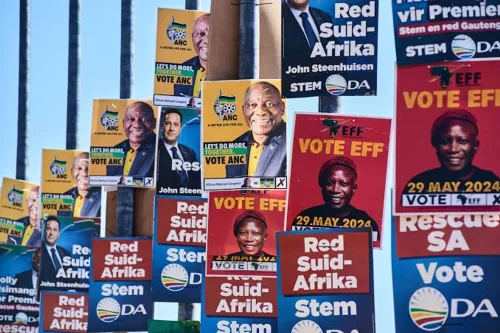
With Johannesburg’s political future at stake in the November 4 local government elections, the MK Party has ruled out a coalition with the DA, while other parties are setting out their conditions for governing the country’s largest city.
The competing positions expose the challenge facing parties seeking to end years of political instability that have threatened infrastructure projects, municipal finances and essential services. Analysts are divided over whether an ANC-DA partnership could offer greater stability or whether an alternative coalition could emerge without the DA.
Political analyst Sandile Swana believes the MK Party, EFF, ActionSA and Patriotic Alliance (PA) could play influential roles in determining the next administration, particularly through their mayoral candidates.
Swana blamed the ANC and DA for previous instability, warning that competition for political positions could undermine future coalition agreements.
“The greed and lust for power between the ANC and the DA actually collapsed, and they were never able to recover that,” he said.
He said negotiations could centre on whether the MK Party, EFF, ActionSA and other parties could establish a government excluding the DA, or whether the ANC and DA would pursue an arrangement similar to the national Government of National Unity.
Dr Harlan Cloete, a research fellow specialising in local governance and public leadership at the University of the Free State, argued that cooperation between the ANC and DA could offer a more stable alternative.
“If you want political stability, both the ANC and the DA have got a longer track record in government, and so they've got institutional memory,” Cloete said.
He warned that smaller parties could turn coalition negotiations into contests over positions, while repeated leadership changes disrupted municipal administration and service delivery.
“In Johannesburg, the smaller parties form the role of kingmaker really come into what is very transactional, and it is deal-making,” he said.
The contrasting views highlight the competing approaches to coalition-building as parties prepare for the elections.
The DA is focusing on winning control of Johannesburg outright rather than negotiating potential partnerships before voters go to the polls.
DA Johannesburg regional chairperson and MP Luyolo Mphithi said the party was campaigning across the city’s 135 wards.
“At this stage the DA is focused on an outright victory,” Mphithi said.
He said decisions about potential partnerships and municipal portfolios would depend on the election results.
The party’s priorities include reliable water and electricity, road maintenance, job creation, public safety and tackling corruption.
While the DA is postponing coalition discussions until after the election, the MK Party has already ruled out working with it in Johannesburg.
MK Party national spokesperson and acting deputy secretary-general Sifiso Mahlangu said the party’s approach to negotiations would be guided by its political principles.
“The MK Party has made its position clear that it will not enter into a coalition with the Democratic Alliance (DA) in Johannesburg,” Mahlangu said.
He said other partnerships would be considered after the elections, based on policy compatibility and an agreed governing programme.
The party wants improved revenue collection, credible budgets and stronger financial controls, arguing that negotiations should focus on governance rather than political appointments.
“Johannesburg needs more than an agreement that enables parties to elect a mayor,” Mahlangu said.
Al Jama-ah has urged parties to adopt an inclusive approach to coalition negotiations, prioritising economic development and cooperation between different spheres of government.
Party president Ganief Hendricks said parties needed to agree on a common programme to address Johannesburg’s challenges while protecting the independence of local government.
“Al Jama-ah is a reminder that at the centre of coalition alignment of political parties [are] the people and aspirations of a better quality of life,” Hendricks said.
He said municipal spending should support entrepreneurship and create employment opportunities for young people, women and people with disabilities.
Hendricks also called for national development programmes to be incorporated into Johannesburg’s Integrated Development Plan, with municipal budgets directed towards implementing them.
Build One South Africa (BOSA) has also outlined the principles it would apply to potential coalition arrangements.
BOSA deputy leader and Johannesburg mayoral candidate Nobuntu Hlazo-Webster said the party would work with organisations committed to ethical leadership but reject those implicated in corruption or promoting racial division.
She said BOSA would publish its coalition principles, including requirements for transparent appointments, financial accountability and measurable performance.
“Coalition agreements must protect critical infrastructure projects, sound financial management and essential services from political interference,” Hlazo-Webster said.
Related Topics
Keywords
Related Stories
UN peacekeeping mission in Western Sahara ends after 35 years, UN chief says
Nov 1 (Reuters) - The 35-year-old UN peacekeeping mission in the Western Sahara region will come to an end after the Security Council failed to renew its mandate, the UN chief said on Sunday.
CONGRESS IN THE BALANCE: A blue tsunami, a tide, or chaos as usual — the US midterm election
With just hours to go before the American midterm election takes place, the day before South Africa’s own local election, control of both houses of the American Congress hangs in the balance.
DIVISIVE WORDS: ‘We never called for literal killing’ — Malema appeals for farm killings to stop.
EFF leader Julius Malema says the chant “Kill the boer, kill the farmer” was never meant literally and has appealed for farm killings to stop.
TRC ROULETTE : Victims’ families place key hidden evidence before Khampepe inquiry
A physical inspection of old lever arch files by the legal team representing the families of apartheid victims at the Khampepe Commission strengthens Anton Ackermann’s claim that a disputed 2006 memo was forged, reshaping the Khampepe inquiry into delayed apartheid prosecutions.
Top Stories
UN peacekeeping mission in Western Sahara ends after 35 years, UN chief says
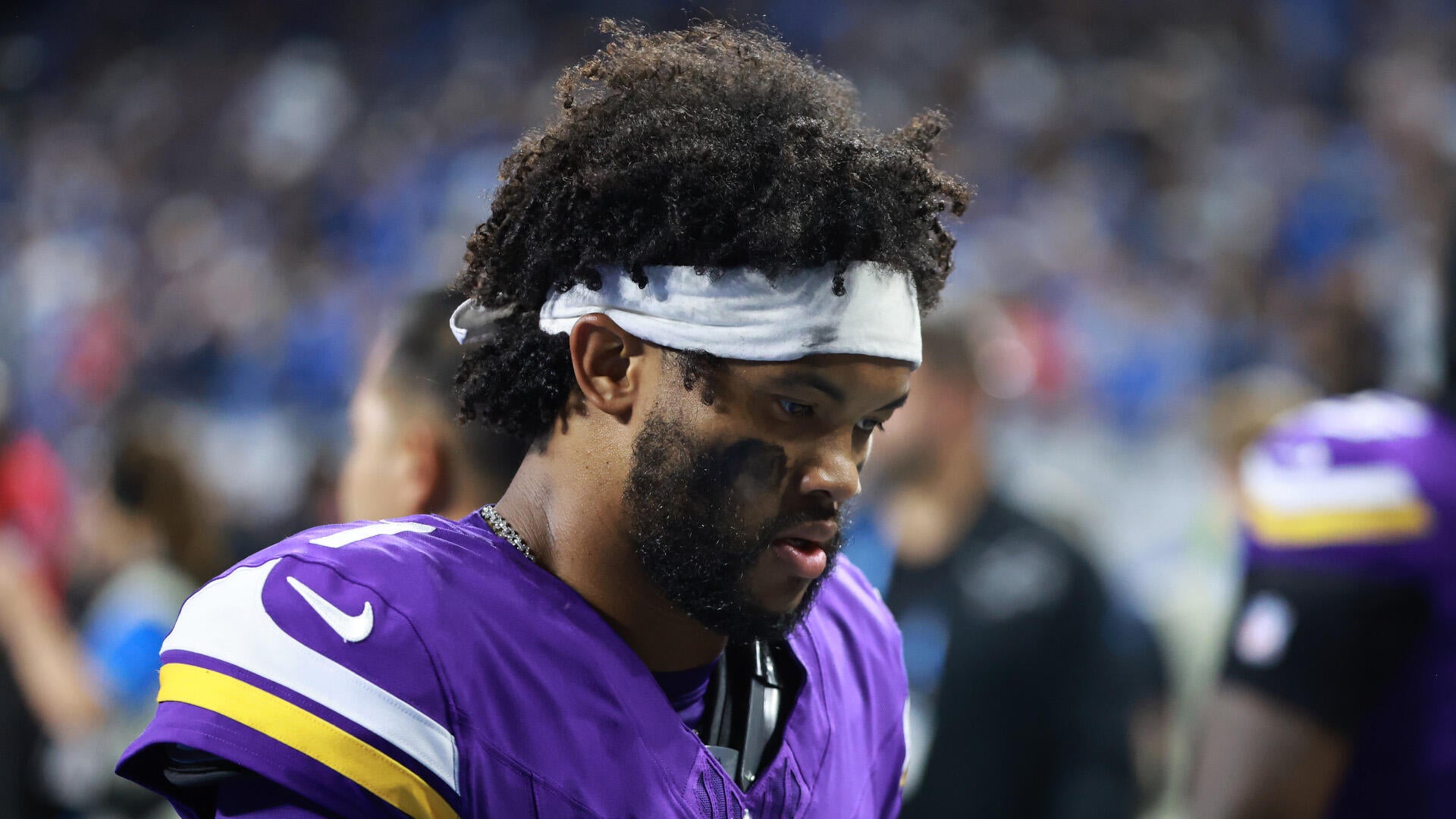
Week 8 overreactions: Time for Vikings to bench Kyler Murray? Colts should fire Steichen?
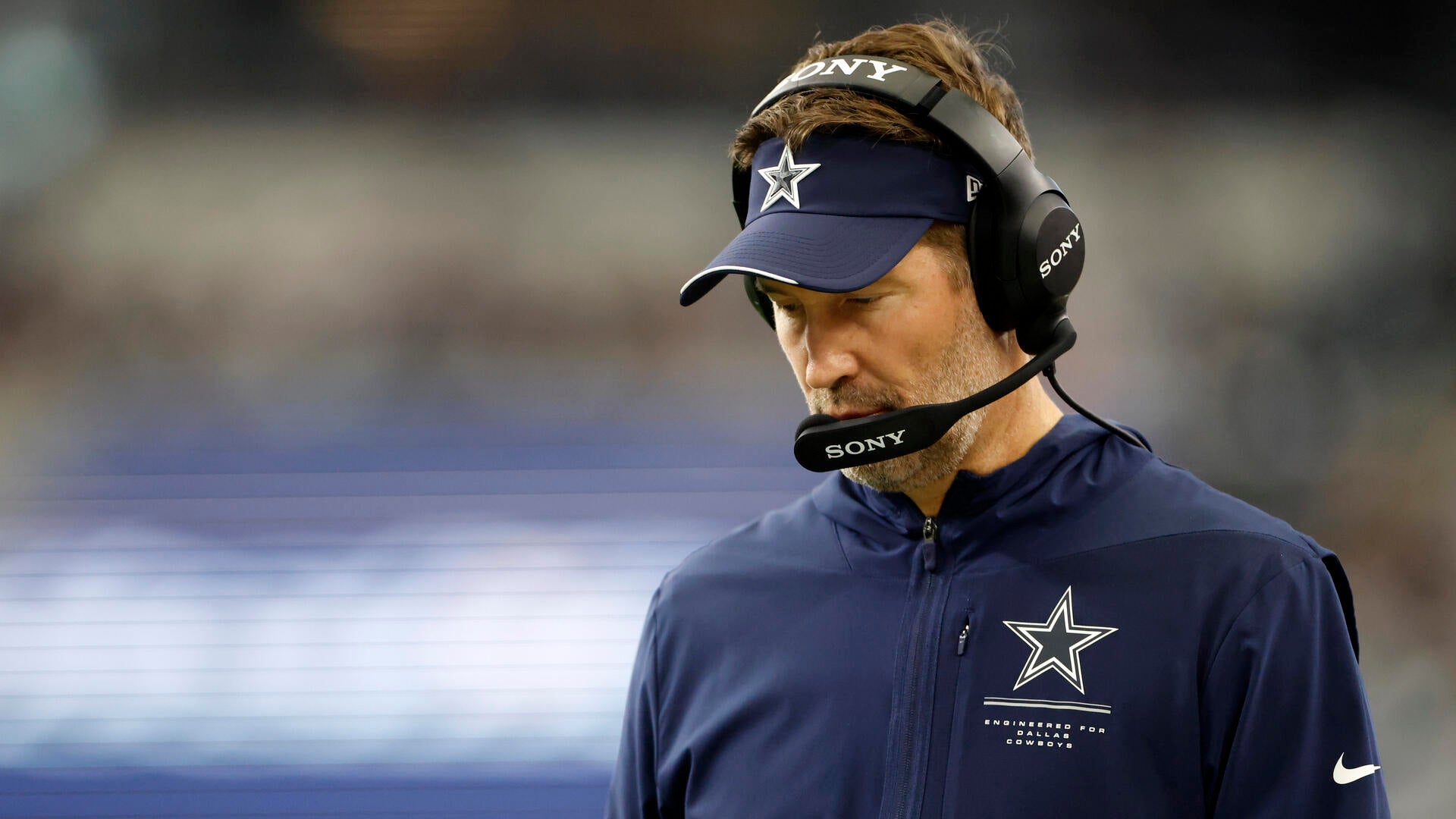
NFL Week 8 winners and losers: Cowboys suffer epic collapse, Joe Burrow delivers historic heroics

How Antonelli 'blew everyone away' to make Formula 1 history
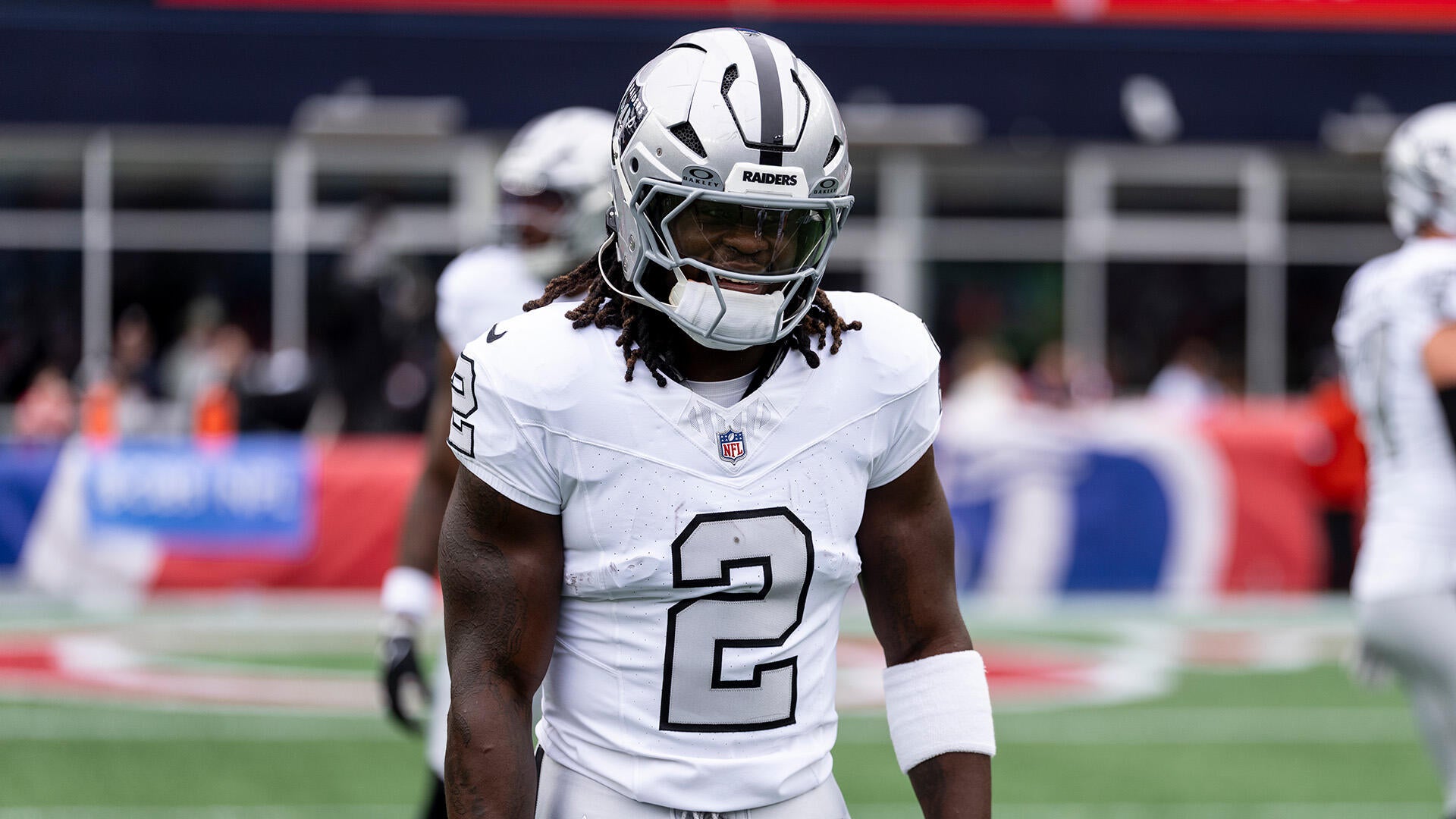
Why is Ashton Jeanty not getting carries? Another Raider emerges as Vegas' top RB in Week 8

Russia and Ukraine accuse each other of hacking emergency alert apps
NFL Week 8 grades for every team: Cowboys get an 'F' for choking, Steelers surge to 'A+'

Ukraine air raid app apparently hacked as users receive false radiation threat, Air Force says
Latest
UN peacekeeping mission in Western Sahara ends after 35 years, UN chief says
Week 8 overreactions: Time for Vikings to bench Kyler Murray? Colts should fire Steichen?
NFL Week 8 winners and losers: Cowboys suffer epic collapse, Joe Burrow delivers historic heroics
How Antonelli 'blew everyone away' to make Formula 1 history
Why is Ashton Jeanty not getting carries? Another Raider emerges as Vegas' top RB in Week 8
Russia and Ukraine accuse each other of hacking emergency alert apps
NFL Week 8 grades for every team: Cowboys get an 'F' for choking, Steelers surge to 'A+'
Ukraine air raid app apparently hacked as users receive false radiation threat, Air Force says