MK Party sets coalition rules as it prepares to negotiate after local elections
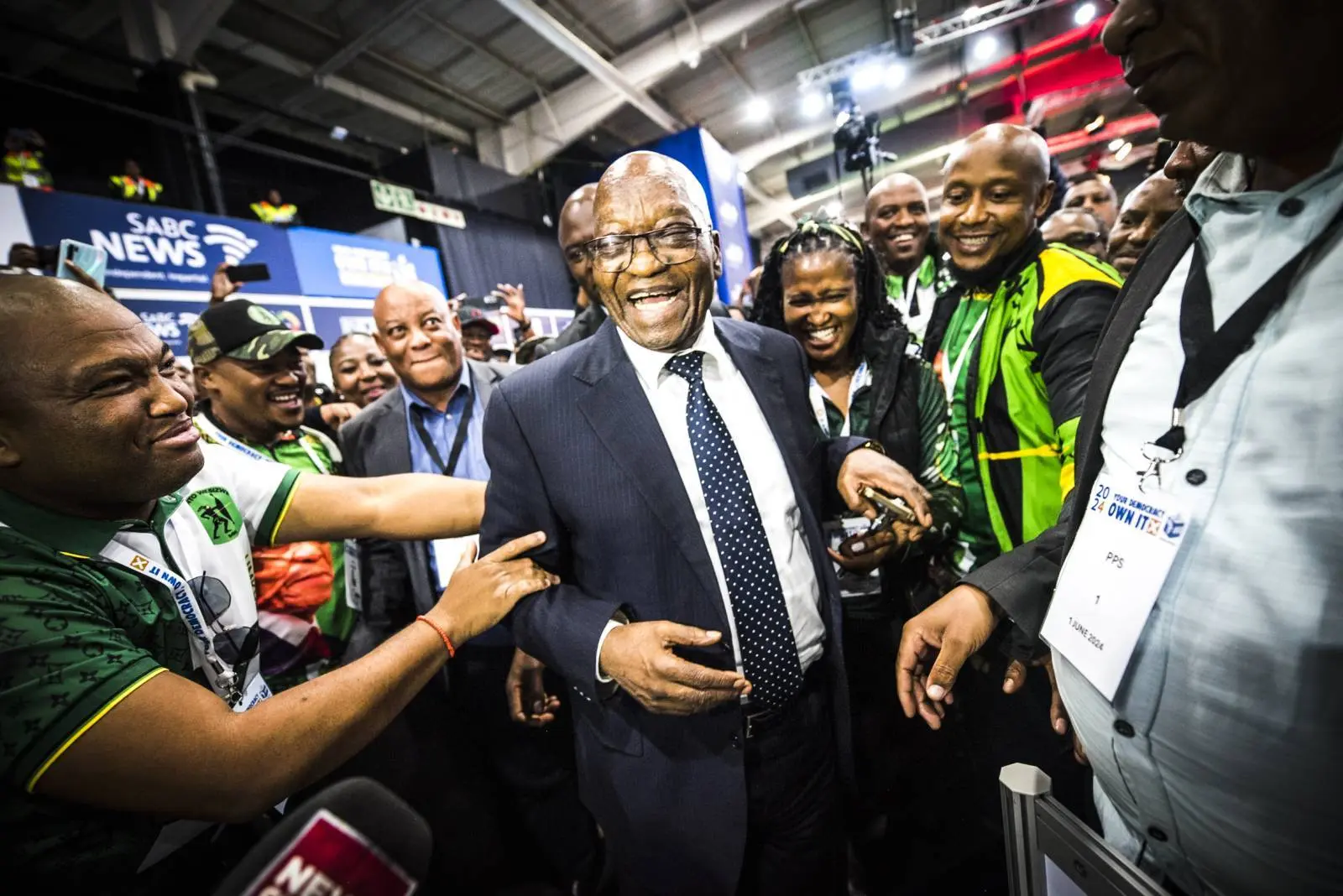
The uMkhonto weSizwe (MK) Party has established a national negotiating team to oversee coalition discussions following the local government elections, with party leaders insisting that while they want to enter government, they will not compromise their political principles to secure positions.
Party president Jacob Zuma placed the election outcome within the broader history of South Africa’s struggle for freedom, arguing that the country’s majority had endured generations of oppression and continued to experience a sense of powerlessness. He referred to the sacrifices made by those who had gone to prison and lost their lives in the struggle, saying the current political moment represented an opportunity for people to reclaim their freedom.
Zuma described the election as a demonstration that people wanted change, expressing satisfaction with the party’s support and urging those present to recognise the significance of the moment. He said the time had come for people to demonstrate their desire for freedom.
Dali Mpofu said the party was grateful to those who voted for it in the 4 November elections. He said the MK Party had achieved a 10% share of the vote despite contesting local government elections for the first time, describing the result as significant for a party established less than two years ago.
The statement announced the establishment of a National Negotiations Team (NNT) to coordinate coalition discussions nationwide. The team, which includes the party’s deputy presidents and other senior officials, will engage prospective coalition partners, assess political and programme alignment, negotiate agreements and make recommendations on governance arrangements and the distribution of executive responsibilities.
The party said negotiations would be guided by its political mandate and an internal coalition manual, with proposed agreements required to include measurable commitments and accountability mechanisms. It also wants agreements concluded within the first 100 days after councils are established.
The party’s presidency will retain final authority to approve or reject coalition arrangements. Provincial, regional and local structures will not be permitted to negotiate independently or make commitments without authorisation from the national team. Mpofu said the framework was intended to ensure that negotiations were coordinated and guided by the party’s broader objectives rather than individual political interests.
Mxolisi Mphakathi said the party was generally satisfied with the election outcome but maintained that serious concerns remained about aspects of the process.
Mphakathi indicated that the leadership was gathering information from party agents and people on the ground before deciding what action to take. He stressed the importance of verifying complaints rather than acting on incomplete information. The party has raised concerns about the handling of objections, particularly in eThekwini, where Mpofu said it had submitted more than 60 objections.
Mpofu said the party was dissatisfied with the Electoral Commission of South Africa’s handling of the objections process and the timetable for declaring results. He said the party was not currently preparing court papers but could not rule out approaching the Electoral Court if serious complaints remained unresolved.
On coalition possibilities, Mpofu said the party would engage formations that shared its political values and vision. He acknowledged that the Democratic Alliance had indicated it was unwilling to work with the MK Party, adding that negotiations would focus on parties prepared to engage with the MK Party.
Mpofu also rejected claims that the MK Party had been unavailable or unwilling to participate in coalition discussions after the 2024 national elections. He alleged that the ANC and DA had reached an understanding before those elections and that subsequent meetings were largely for show. These were his characterisations of the earlier negotiations.
He said the MK Party wanted to govern because voters had given it a mandate to do so and would pursue every available opportunity to enter government. However, he added, the party would not sell out its principles to secure power. “If the political situation asks that the party must sit in opposition benches, it will do so,” Mpofu said, adding that opposition was not the party’s preference.
Keywords
Related Stories
LOCAL ELECTIONS 2026: ‘Our people are angry’ — MK party threatens to challenge election results
The uMkhonto Wesizwe party has warned that it could approach the Electoral Court of South Africa over alleged irregularities in the 2026 local government elections.

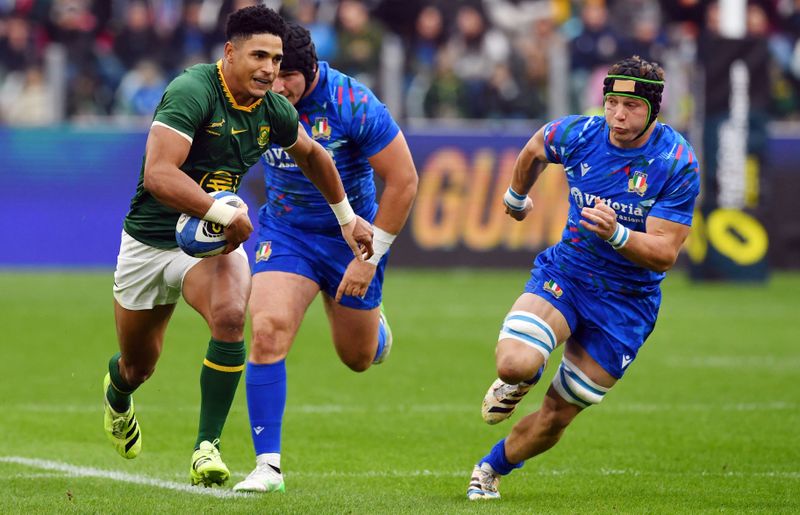
TRY FEST: Nine-try Springboks blitz Italy in Turin to set Nations Championship pace
The Springboks scored a record 66-7 (halftime 45-0) away win over Italy in a Nations Championship match in Turin on Saturday.
SPCA warns against fireworks cruelty as Diwali approaches
The Durban and Coast SPCA has urged residents to follow fireworks rules and protect pets from fear, injury and escape during Diwali celebrations.

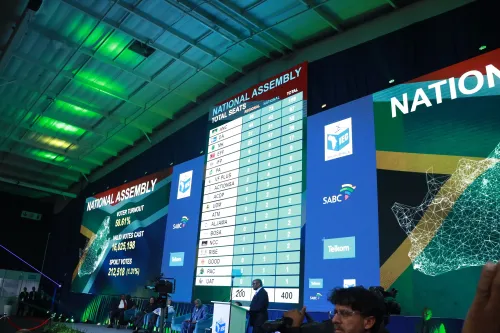
Five wards face recounts as IEC processes 197 election objections
The IEC has upheld two of 197 objections to South Africa’s 2026 local election results, ordering recounts in five wards before the final results are announced on Sunday.
Top Stories
LOCAL ELECTIONS 2026: ‘Our people are angry’ — MK party threatens to challenge election results
TRY FEST: Nine-try Springboks blitz Italy in Turin to set Nations Championship pace
SPCA warns against fireworks cruelty as Diwali approaches

Costco members can get $5 off the reimagined Ocarina of Time

Discogs’ Kevin Lewandowski can’t live without his AeroPress

Five people killed, multiple injured in Poland market shooting

No clear winner after tight New Zealand general election
Five wards face recounts as IEC processes 197 election objections
Latest
LOCAL ELECTIONS 2026: ‘Our people are angry’ — MK party threatens to challenge election results
TRY FEST: Nine-try Springboks blitz Italy in Turin to set Nations Championship pace
SPCA warns against fireworks cruelty as Diwali approaches
Costco members can get $5 off the reimagined Ocarina of Time
Discogs’ Kevin Lewandowski can’t live without his AeroPress
Five people killed, multiple injured in Poland market shooting
No clear winner after tight New Zealand general election
Five wards face recounts as IEC processes 197 election objections