Only 113 of 257 municipalities reported conducting skills audits
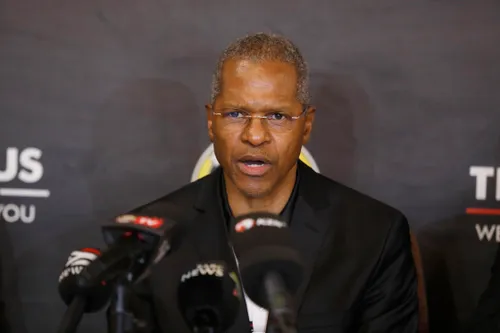
Cooperative Governance and Traditional Affairs Minister Velenkosini Hlabisa.
Cooperative Governance and Traditional Affairs (Cogta) Minister Velenkosini Hlabisa has revealed that out of the 257 municipalities in the country, only 113 municipalities have reported conducting skills audits.
Only four metros - eThekwini, Ekurhuleni, Johannesburg and Tshwane - have reportedly conducted skills audits while all municipalities in KwaZulu-Natal and North West were compliant.
Responding to parliamentary questions from DA MP Marina van Zyl, Hlabisa said skills-audit information was submitted by six provincial departments responsible for local government.
“It is not a complete national record because the Eastern Cape, Limpopo and Northern Cape had not submitted information when the reply was compiled. The reported total therefore does not constitute a complete national record,” he said.
“Based on information submitted by six provinces, 113 municipalities were reported as having conducted skills audits,” said Hlabisa.
The minister's response showed that all 54 municipalities conducted skills audits in KwaZulu-Natal, all 22 municipalities in North West, 16 municipalities in the Western Cape, eight municipalities each in Gauteng and Mpumalanga, and five municipalities in the Free State.
Hlabisa revealed this when he was asked by Van Zyl to furnish the list of municipalities that have conducted lifestyle and skills audits.
Van Zyl also asked him to provide details of when the audits were performed and the outcomes of the audit in terms of actions taken against asset non-disclosures and inadequate qualifications.
In his response, Hlabisa said the Local Government for Municipal Staff Regulations, issued in 2021, required municipalities to determine their skills needs and conduct staff skills audits.
“The results must inform workplace skills plans, employee development and municipal capacity-building measures. The implementation guidelines accompanying the Regulations include a staff skills-audit framework,” he said.
Hlabisa clarified that the KwaZulu-Natal skills audits were conducted during the 2020/21 financial year, before the Municipal Staff Regulations came into effect in July 2022.
“They are included as prior provincial skills-audit information and are not represented as audits conducted pursuant to the regulations.
He said Cogta has not received consolidated and verified information on action taken by individual municipalities against employees identified as having inadequate qualifications.
Hlabisa stated that skills audits were intended principally to identify competency and development gaps and to inform workplace skills plans, training and employee-development interventions.
“A skills gap does not, by itself, establish that an employee lacks the prescribed qualifications, was irregularly appointed or is subject to disciplinary action.
“Municipalities are responsible for verifying qualifications, assessing compliance with the requirements applicable to each post and taking appropriate action where a qualification is found to have been misrepresented or an appointment is otherwise found to be irregular.
He further said his department was strengthening the sector-wide skills-audit system to promote greater consistency in the methodology, reporting and use of skills-audit outcomes across municipalities.
Regarding the lifestyle audits, Cogta did not presently hold consolidated and verified information on municipalities that have conducted lifestyle audits, the dates on which such audits were conducted, or action taken in respect of asset non-disclosures.
“The department is, therefore, unable to provide the requested municipality-by-municipality information on lifestyle audits.”
Responding to separate questions from ActionSA MP Alan Beesley, Hlabisa said Cogta did not presently hold consolidated and verified information on the municipalities, service providers, individuals and municipal accounting officers identified in the Special Investigating Unit (SIU) reports.
“The department has, therefore, referred the question to the Special Investigating Unit to provide verified information from its investigations and reports. Once the information has been received and verified, it will be submitted to the honourable member.”
The SIU’s mandate operates through presidential proclamations authorising specific investigations.
Hlabisa stated that municipalities remain responsible for considering and implementing applicable findings and recommendations.
“Municipal accounting officers are required to consider and act upon applicable investigation findings and recommendations in accordance with the Municipal Finance Management Act, the Municipal Supply Chain Management Regulations and the municipality’s approved supply chain management policy.”
Related Topics
Keywords
Related Stories
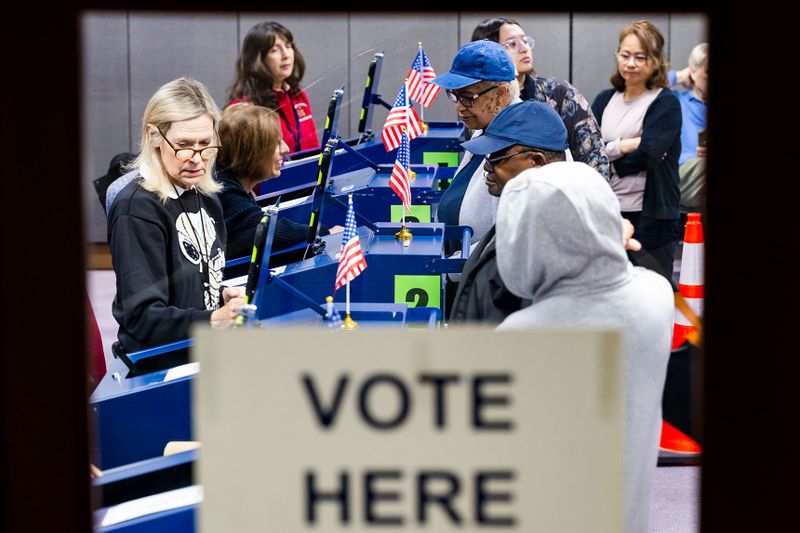
CONGRESS IN THE BALANCE: A blue tsunami, a tide, or chaos as usual — the US midterm election
With just hours to go before the American midterm election takes place, the day before South Africa’s own local election, control of both houses of the American Congress hangs in the balance.
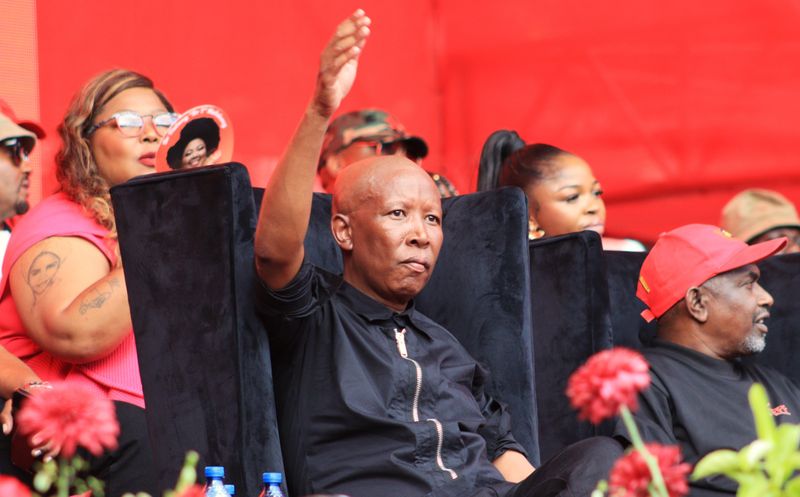
DIVISIVE WORDS: ‘We never called for literal killing’ — Malema appeals for farm killings to stop.
EFF leader Julius Malema says the chant “Kill the boer, kill the farmer” was never meant literally and has appealed for farm killings to stop.
TRC ROULETTE : Victims’ families place key hidden evidence before Khampepe inquiry
A physical inspection of old lever arch files by the legal team representing the families of apartheid victims at the Khampepe Commission strengthens Anton Ackermann’s claim that a disputed 2006 memo was forged, reshaping the Khampepe inquiry into delayed apartheid prosecutions.
REAL ESTATE & GOVERNANCE: How SA property prices reflect municipal service delivery
South Africa’s property prices broadly track municipal performance, with Cape Town leading and Buffalo City lagging, but several metros challenge the pattern.
Top Stories
CONGRESS IN THE BALANCE: A blue tsunami, a tide, or chaos as usual — the US midterm election

'We've got big problems' - Hamilton says Ferrari need 'serious talks'

Detroit linebacker Campbell taken to hospital with neck injury
DIVISIVE WORDS: ‘We never called for literal killing’ — Malema appeals for farm killings to stop.

Antonelli becomes world champion as Verstappen wins in Mexico
TRC ROULETTE : Victims’ families place key hidden evidence before Khampepe inquiry
REAL ESTATE & GOVERNANCE: How SA property prices reflect municipal service delivery
LOCAL ELECTIONS 2026: Thirteen mayoral candidates, plenty of blame and a crowd of fed-up residents
Latest
CONGRESS IN THE BALANCE: A blue tsunami, a tide, or chaos as usual — the US midterm election
'We've got big problems' - Hamilton says Ferrari need 'serious talks'
Detroit linebacker Campbell taken to hospital with neck injury
DIVISIVE WORDS: ‘We never called for literal killing’ — Malema appeals for farm killings to stop.
Antonelli becomes world champion as Verstappen wins in Mexico
TRC ROULETTE : Victims’ families place key hidden evidence before Khampepe inquiry
REAL ESTATE & GOVERNANCE: How SA property prices reflect municipal service delivery
LOCAL ELECTIONS 2026: Thirteen mayoral candidates, plenty of blame and a crowd of fed-up residents