Presidential eThekwini working group restoring investor confidence, says Ramaphosa
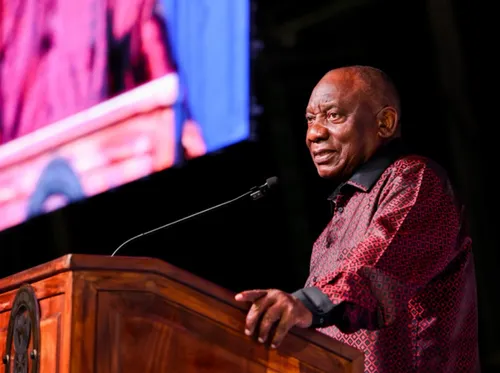
President Cyril Ramaphosa says the Presidential eThekwini Working Group is helping restore investor confidence in Durban, as government and business partners work to address infrastructure and service delivery challenges.
President Cyril Ramaphosa says the Presidential eThekwini Working Group (PeWG) is helping restore investor confidence in Durban, with more than R32 billion in catalytic investment projects being advanced as the metro continues to grapple with water losses, infrastructure problems and safety concerns.
The working group was established in April 2024 following engagements between Ramaphosa and the Durban Chamber of Commerce and Industry over the city’s deteriorating services, ageing infrastructure, declining tourism, crime and inefficiencies at the Port of Durban.
It brings together national, provincial and local government, business, organised labour and civil society to co-ordinate interventions aimed at stabilising municipal services and improving the city’s economic prospects.
Ramaphosa described the initiative as an example of the District Development Model, which seeks to improve co-ordination between different spheres of government and other stakeholders.
“The work of the presidential eThekwini Working Group is one of the shining examples of what we call the District Development Model, the DDM,” he said.
Ramaphosa said the working group had helped encourage investors to return by bringing key stakeholders together to address problems affecting the city.
“And since we established the eThekwini Presidential Working Group we’ve seen how there’s been improvement and how we’ve been even able to attract investment.
''Investors have had the courage to come back to eThekwini because they can see that the various key stakeholders are working together to resolve the challenges,” he said.
The latest progress report from the working group, released in October, identified catalytic investment projects valued at more than R32 billion, alongside improvements in municipal financial performance, governance and tourism promotion.
The municipality and its partners have also advanced public-private partnership frameworks, industrial corridor planning and reforms intended to unlock development opportunities.
The investment figure refers to projects being advanced, rather than money already spent or projects completed.
The working group’s next phase is intended to accelerate implementation and ensure that investment plans translate into economic activity, job creation and improvements to municipal services.
Despite the reported progress, water supply remains a major challenge for eThekwini.
The municipality has been implementing measures to reduce non-revenue water, which includes water lost through leaks and distribution problems, as well as water supplied for which payment is not received.
IOL has previously reported on the scale of the city’s water losses and its spending on leak repairs, pipe replacement and additional plumbing capacity.
The working group has identified reducing water losses and securing funding for the uMlazi Canal upgrade as priorities for its next phase.
The city is also pursuing transport and infrastructure improvements, including rail recovery initiatives and further development of the GO!Durban Integrated Public Transport Network.
The municipality reported in October that regulatory approvals had been secured and engagement completed with 18 taxi associations ahead of the planned launch of the C3 Corridor service in December 2026.
Safety is another concern. The working group has highlighted ongoing problems in Phoenix, Inanda, Ntuzuma and KwaMashu, collectively known as the PINK areas, and called for further intervention.
These challenges remain important to the city’s economic recovery because businesses depend on reliable services, functioning transport infrastructure and safe operating environments.
Deputy President Paul Mashatile received an update on progress, outstanding challenges and proposed interventions during a meeting with the working group at Durban City Hall on October 23.
The meeting reviewed projects where implementation was advancing, where delays remained and where further government intervention was required.
The next phase will focus on accelerating economic development, reducing water losses, advancing rail recovery and securing funding for the uMlazi Canal upgrade.
Working group co-chair Mike Mabuyakhulu said co-operation between government and social partners was beginning to produce results, but stressed the need to accelerate implementation so that businesses and communities could experience the benefits.
The working group’s progress will therefore depend on whether projects move beyond planning and commitments to delivery, with measurable improvements in services and the local economy.
Ramaphosa said the approach was being extended to other parts of the country, arguing that municipalities could improve when government and other stakeholders worked together.
“And this is the example that we are spreading throughout the country. That we can actually reposition our metros .
''We can reposition our municipalities when the key stakeholders work together in line with our approach which is the District Development Model,” he said.
The model aims to improve co-ordination between national, provincial and local government while involving business and communities in addressing development priorities.
Ramaphosa described eThekwini as an example of what the approach could achieve.
“It works well and eThekwini is the shining example in the country. We’ve seen a great deal of success here,” he said.
Related Topics
Keywords
Related Stories
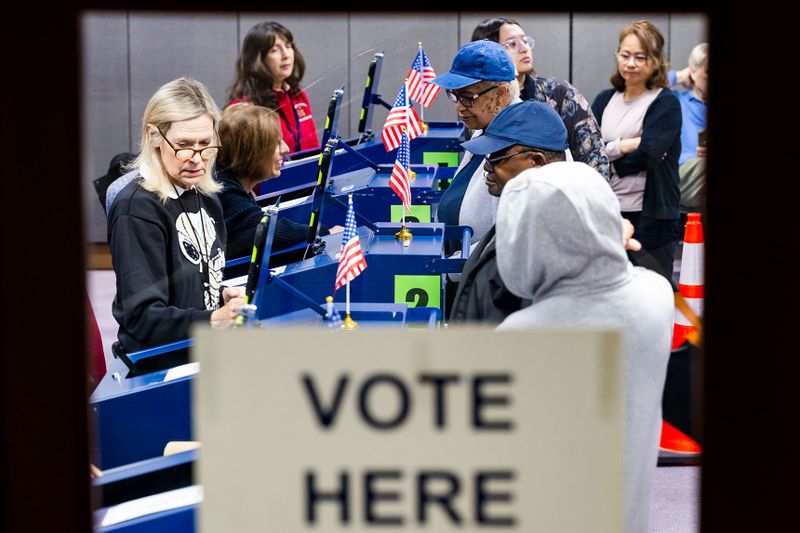
CONGRESS IN THE BALANCE: A blue tsunami, a tide, or chaos as usual — the US midterm election
With just hours to go before the American midterm election takes place, the day before South Africa’s own local election, control of both houses of the American Congress hangs in the balance.
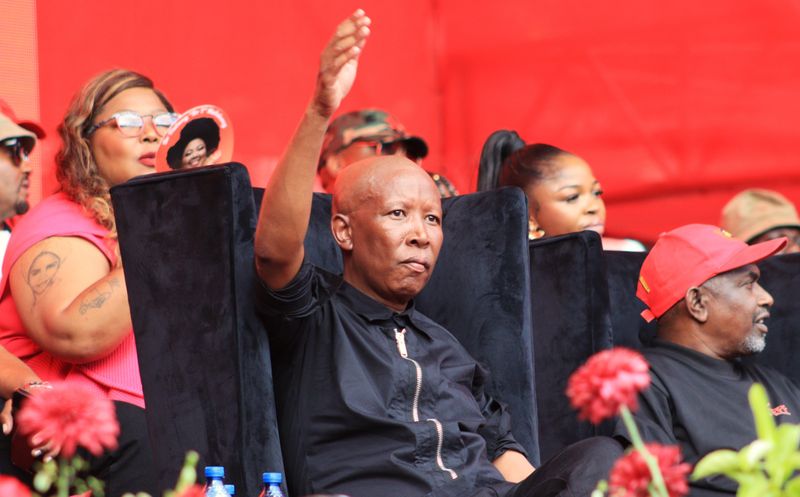
DIVISIVE WORDS: ‘We never called for literal killing’ — Malema appeals for farm killings to stop.
EFF leader Julius Malema says the chant “Kill the boer, kill the farmer” was never meant literally and has appealed for farm killings to stop.
TRC ROULETTE : Victims’ families place key hidden evidence before Khampepe inquiry
A physical inspection of old lever arch files by the legal team representing the families of apartheid victims at the Khampepe Commission strengthens Anton Ackermann’s claim that a disputed 2006 memo was forged, reshaping the Khampepe inquiry into delayed apartheid prosecutions.
REAL ESTATE & GOVERNANCE: How SA property prices reflect municipal service delivery
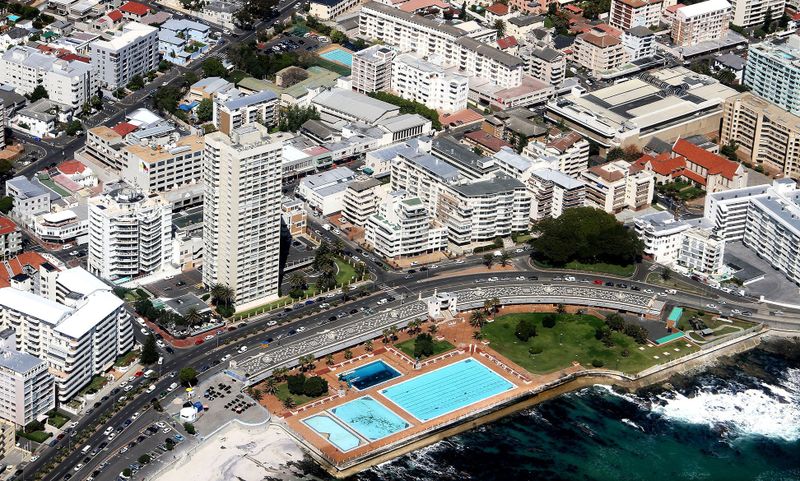
South Africa’s property prices broadly track municipal performance, with Cape Town leading and Buffalo City lagging, but several metros challenge the pattern.
Top Stories
CONGRESS IN THE BALANCE: A blue tsunami, a tide, or chaos as usual — the US midterm election

'We've got big problems' - Hamilton says Ferrari need 'serious talks'

Detroit linebacker Campbell taken to hospital with neck injury
DIVISIVE WORDS: ‘We never called for literal killing’ — Malema appeals for farm killings to stop.

Antonelli becomes world champion as Verstappen wins in Mexico
TRC ROULETTE : Victims’ families place key hidden evidence before Khampepe inquiry
REAL ESTATE & GOVERNANCE: How SA property prices reflect municipal service delivery
LOCAL ELECTIONS 2026: Thirteen mayoral candidates, plenty of blame and a crowd of fed-up residents
Latest
CONGRESS IN THE BALANCE: A blue tsunami, a tide, or chaos as usual — the US midterm election
'We've got big problems' - Hamilton says Ferrari need 'serious talks'
Detroit linebacker Campbell taken to hospital with neck injury
DIVISIVE WORDS: ‘We never called for literal killing’ — Malema appeals for farm killings to stop.
Antonelli becomes world champion as Verstappen wins in Mexico
TRC ROULETTE : Victims’ families place key hidden evidence before Khampepe inquiry
REAL ESTATE & GOVERNANCE: How SA property prices reflect municipal service delivery
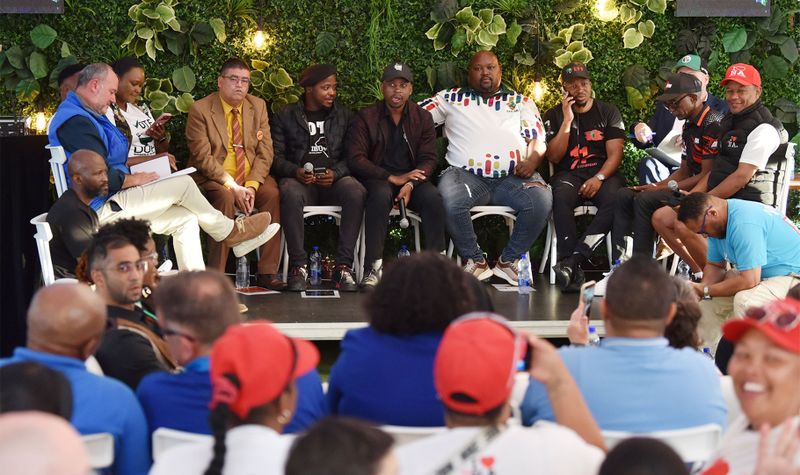
LOCAL ELECTIONS 2026: Thirteen mayoral candidates, plenty of blame and a crowd of fed-up residents