Presidential family meetings are needed to manage the current heatwave
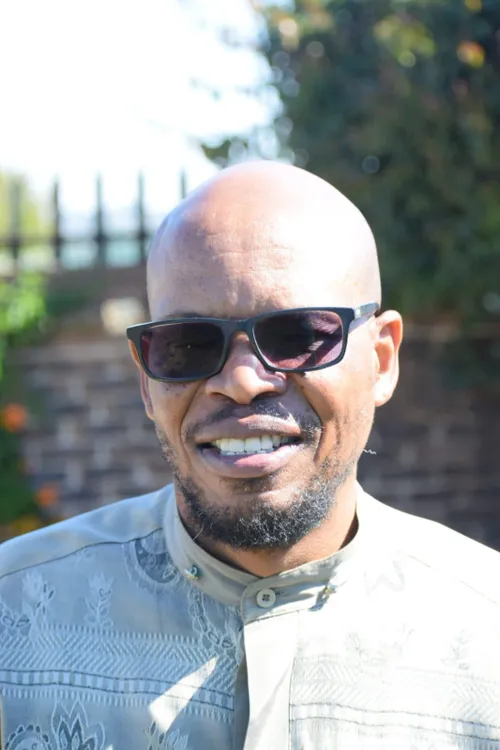
Dr Mabila Mathebula is an author, ghostwriter, and life coach, and has a PhD in Construction Management.
Sea-surface temperatures in the Central and Eastern Pacific have surged to unprecedented levels. The warming of the globe is our current human challenge facing the entire world.
Should people be taken aback by the current rogue weather patterns whirling around the globe? I am certainly not surprised. Based on research conducted at the prestigious Stanford Research Institute (SRI) during the early 1970s, the ability to witness events from a distance has been called remote viewing.
Other viewers peering into our future in recent times report a great wave of fire and heat (Braden, 2000).
When I was in high school, our biology teacher took infinite pains to explain how radiant energy from the sun is converted into chemical potential energy; he called the whole process photosynthesis.
I was ignorant of the fact that the same sunny radiant energy has the potential to cause Malignant Melanoma (skin cancer). The current oppressive heatwave is now threatening the smooth running of our society. It is time that President Cyril Ramaphosa proactively held ‘Family Meetings’ with a view to guiding the nation to exercise enough caution.
If left unattended, Malignant Melanoma can spread rapidly to other parts of the body with fatal results. Skin cancer is directly linked to sunlight and ultraviolet (UV) light. Ultraviolet radiation still penetrates fabrics to some extent. In the four hours between 11:00 and 15:00, it is when two-thirds of the ultraviolet radiation of every day occurs.
Siesta should apply in Africa, not Europe. Dr Marianne Alexander once wrote, “Sunlight in South Africa is one of the most potentially dangerous in the world.”
The President is fully aware of the fact that South Africa adopted the Sendai Framework for Disaster Reduction 2015 -2030. This is a voluntary management agreement adopted in March 2015 by 187 United Nations members in Japan.
The framework states that, “While the enabling, guiding, and coordinating role of the national and federal State Government remain essential, it is necessary to empower local authorities and local communities to reduce disaster risk, including through resources, incentives and decision-making responsibilities, as appropriate.”
The people who are hard hit by the current oppressive heatwave are rural people who walk long distances to access basic services, as well as outdoor workers such as railway and construction workers, as much time is spent bending over. The back, particularly the shoulders, ears, and the neck, are the most exposed parts of the body and should be protected.
Some politicians are doing door-to-door campaigns under these hot conditions. Some are planning the rallies for the local government elections regardless of the weather. The government must come up with regulations to manage this heatwave – this is not micromanagement but responsible governance. This might also affect the schooling system as well.
People who organise mass gathering events such as marches, rallies and church events during this heatwave are always in the danger zone. This simply means that these events must also start early when the temperature is cool and end before people are exposed to the oppressive heatwave. Outdoor Sporting events also need leaders to be careful.
The current tug of war between the government and faith-based organisations also warrants our attention. For example, we have seen the Saudi Arabian government regulating the use of loudspeakers at the mosques in Mecca as well as the banning of preaching on public transport in Ghana. It is notable that there are still those denominations that worship under the trees and some worship in a shelterless environment as part of their church tradition. This is a hazard that needs to be managed solicitously.
The Motsepe Foundation has been at the forefront of the annual National Prayer Day (NPD) at the FNB Stadium, where different faith-based organisations intercede for the nation. I call down the love of God to bless and empower this nation with good weather during the NPD. I also call down the peace, joy, and power of God to bless and empower this nation during the NPD.
This brings me to the November 4 local government elections. The following questions keep flooding back: At what time must the voting stations open to protect the voters from the oppressive heatwave? At what time will the voting stations close? Will there be ambulances at the voting stations to transport people to hospital in case of emergency? Will the hospitals have the capacity to treat the heatwave patients?
The health authorities in South Africa have been sounding the C.A.R.E warning in good faith. Cover up, avoid the sun from 11:00 to 15:00, rub on sunscreen, and examine your skin regularly. Only a few people heeded this call.
We do not need to remove viewing, but common sense to manage this looming disaster proactively. We should take a leaf out of the book of the Titanic disaster. The Titanic disaster is recognised as an iconic example of human failures in transport technology and culture. Approximately 900 000 immigrants entered the United States of America between 1900 and 1914, and the Titanic was part of that economic shift.
Titanic captain EJ Smith had reached the zenith of his career and was due to retire at the end of the voyage. He had sailed this route in the Olympic, and he knew the hazards posed by ice in the North Atlantic.
Other ships sent several warnings of icebergs; some were sent to the bridge, but the result was a small course adjustment. A smaller shy Californian had stopped in the ice field nearby. Its crew saw distress rockets sent up by the Titanic in the distance. However, the captain did not grasp what they meant.
President Cyril Ramaphosa is our current captain. I suggest that the President, in conjunction with the private sector, must plan, implement, and manage programmes to raise awareness and limit exposure. The unintended consequences of failing to manage the current heatwave would be lost productivity, occupational diseases, strokes and cancer.
The adage that prevention is better than cure still holds water. There is always a huge price to pay for being stubbornly reactive, and there is a bonus for being a learning organisation.
Dr Mabila Mathebula is an author, ghostwriter, and life coach, and has a PhD in Construction Management.
Keywords
Related Stories
Okorocha chasing shadows, Uzodimma says, vows to appeal court judgement
Uzodimma dismisses Okorocha’s court victory as temporary, describes the former governor as “chasing shadows” and vows to overturn the judgement on appeal. The post Okorocha chasing shadows, Uzodimma says, vows to appeal court judgement appeared first on Premium Times Nigeria.

POLITICIANS PUMMELLED: SA’s path to ‘no future’ — former statistician-general Lehohla slams ‘performative’ politics
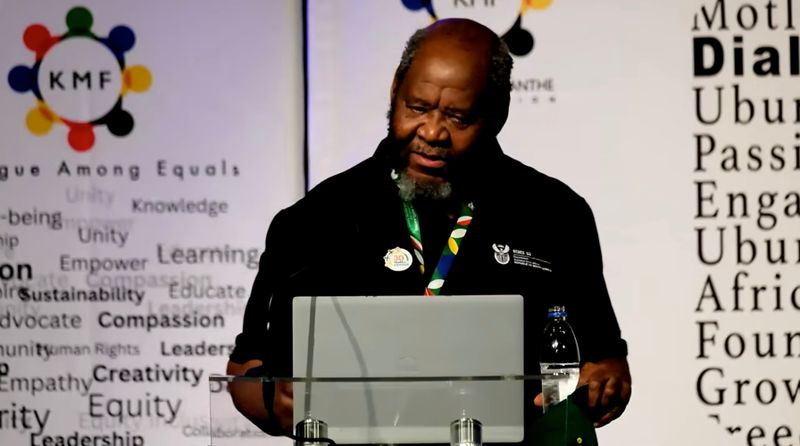
Former statistician-general Pali Lehohla didn’t mince his words at the annual Kgalema Motlanthe Foundation’s Inclusive Growth Forum, warning that South Africa’s democracy is fragmenting, and condemning ANC policies, economic inequality and mining dependence.
ANALYSIS: New mayors beware — SA’s local government revolt is waiting for a spark
Whoever takes power in Johannesburg may inherit more than a governance crisis: a deepening crisis of legitimacy.

South-East governors urge Ndigbo to shun deception and vote for Tinubu in 2027
Governors of Enugu, Anambra, Ebonyi and Imo states renew call on the people of South-East zone to vote massively for President Bola Tinubu in the 2027 presidential election The post South-East governors urge Ndigbo to shun deception and vote for Tinubu in 2027 appeared first on…

Top Stories
Okorocha chasing shadows, Uzodimma says, vows to appeal court judgement
POLITICIANS PUMMELLED: SA’s path to ‘no future’ — former statistician-general Lehohla slams ‘performative’ politics
ANALYSIS: New mayors beware — SA’s local government revolt is waiting for a spark
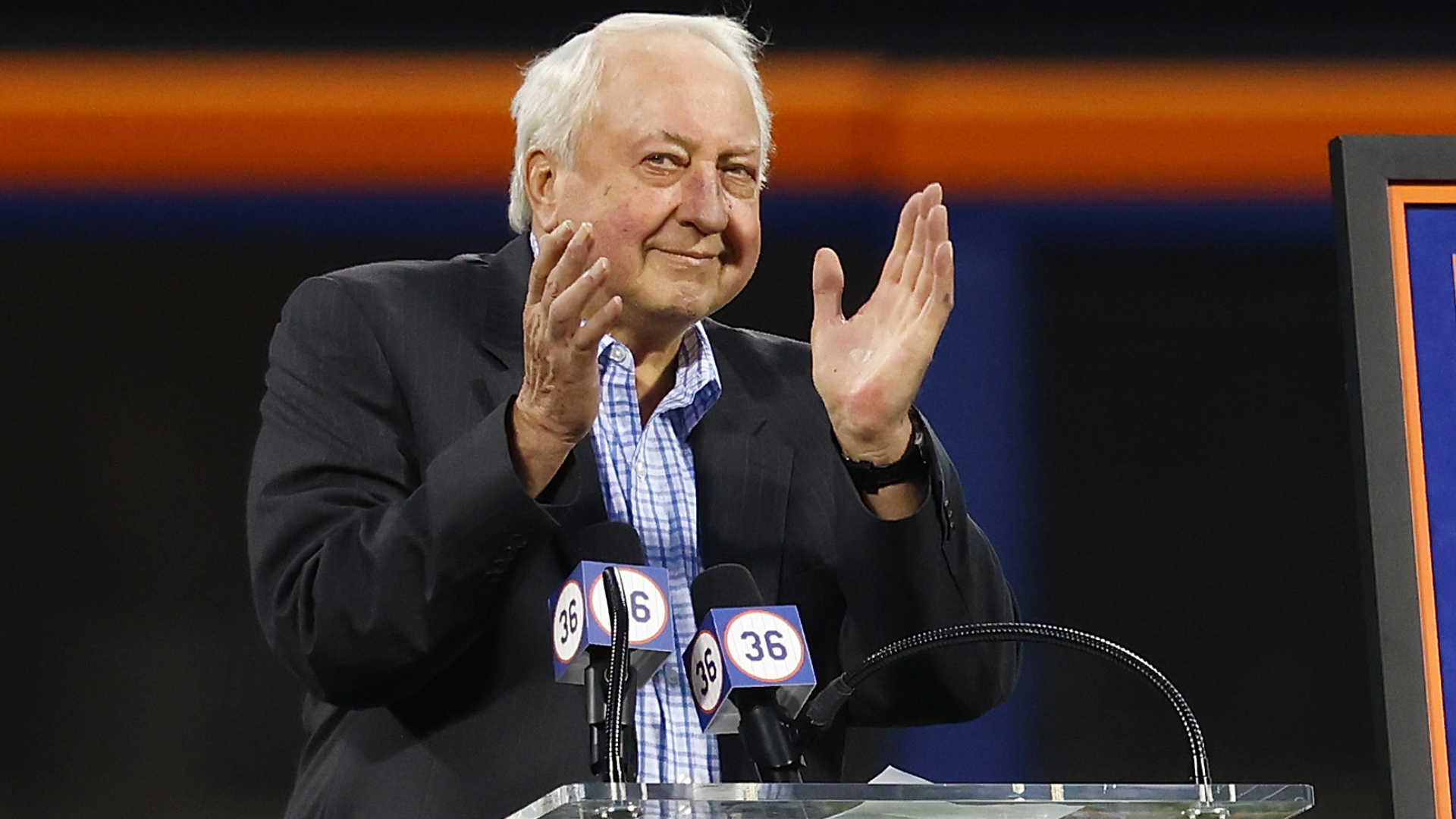
Mets legend Jerry Koosman dies at 83: Pitcher helped New York win 1969 World Series
South-East governors urge Ndigbo to shun deception and vote for Tinubu in 2027

Democrat endorses Republican candidate in key Michigan Senate race as party spat escalates

Lamar Jackson exits game with injury: Ravens QB ruled out vs. Bills after just one play

In Zamfara, 9 a.m is 9 a.m: How Lawal is killing ‘African time’ mentality, By Yusuf Ladan
Latest
Okorocha chasing shadows, Uzodimma says, vows to appeal court judgement
POLITICIANS PUMMELLED: SA’s path to ‘no future’ — former statistician-general Lehohla slams ‘performative’ politics
ANALYSIS: New mayors beware — SA’s local government revolt is waiting for a spark
Mets legend Jerry Koosman dies at 83: Pitcher helped New York win 1969 World Series
South-East governors urge Ndigbo to shun deception and vote for Tinubu in 2027
Democrat endorses Republican candidate in key Michigan Senate race as party spat escalates
Lamar Jackson exits game with injury: Ravens QB ruled out vs. Bills after just one play
In Zamfara, 9 a.m is 9 a.m: How Lawal is killing ‘African time’ mentality, By Yusuf Ladan