Rising Security Threats in West Africa and Regional Responses
Published: April 20, 2026
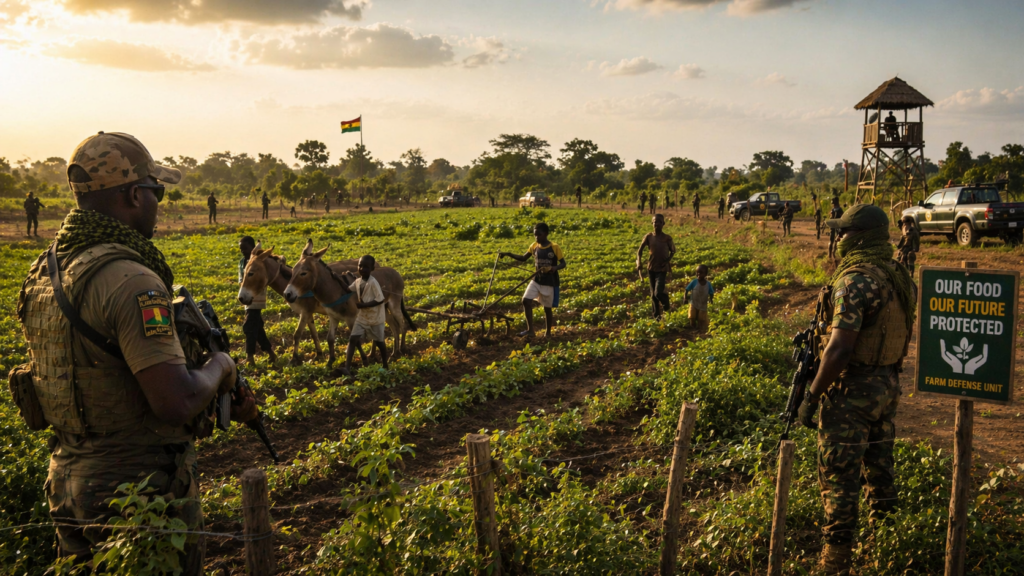
West Africa has experienced an increasing number of national security challenges over the past two decades. Violent extremism, political instability, transnational organized crime, and maritime insecurity have created complex threats that undermine governance, economic development, and regional stability. According to the United Nations Africa Renewal, instability in the Sahel has become one of the most pressing security concerns on the African continent, with escalating violence and growing humanitarian consequences. Countries such as Nigeria, Mali, Burkina Faso, and Niger have faced persistent security crises that require coordinated responses at both national and regional levels; issues that the world should be paying attention to.
One of the most serious security challenges in the region is the rise of violent extremist organizations operating in the Sahel. Groups affiliated with global jihadist movements have expanded their activities across national borders, transforming local conflicts into regional security threats. The Boko Haram insurgency in northeastern Nigeria is a prominent example. Since its emergence in the early 2000s, Boko Haram has conducted numerous attacks targeting civilians, government institutions, and security forces. The conflict has resulted in thousands of deaths and the displacement of millions of people. The insurgency has destabilized large parts of the Lake Chad Basin and continues to pose a significant threat to regional stability.
The spread of extremist violence is not limited to Nigeria. Countries such as Mali and Burkina Faso have experienced rapid increases in militant attacks over the past decade. Armed groups have exploited weak state presence in rural areas, limited economic opportunities, and political grievances among marginalized communities. In many cases, extremist organizations present themselves as alternative authorities capable of providing protection and financial support to local populations. Militant organizations in the Sahel increasingly operate across national borders, making regional coordination essential for effective counterterrorism responses.
Political instability has further complicated the security environment in West Africa. In recent years, several countries in the region have experienced military coups, including Mali, Guinea, Burkina Faso, and Niger. These political disruptions often occur in contexts where governments struggle to address security threats and economic challenges. Military interventions in politics can weaken democratic institutions and create governance gaps that extremist groups may exploit. Governance failures and security crises have contributed significantly to the resurgence of military coups in parts of Africa.
Another important dimension of insecurity in West Africa involves organized transnational crime. Criminal networks operating across the region engage in activities such as drug trafficking, human trafficking, and arms smuggling. West Africa has become a major transit hub for cocaine shipments traveling from Latin America to European markets. Weak border controls and limited law enforcement capacity make it difficult for governments to combat these illicit networks effectively. Organized criminal networks in the region frequently intersect with extremist groups, enabling the trafficking of weapons and illicit commodities across borders.
Maritime insecurity also represents a growing challenge for coastal states in West Africa. The Gulf of Guinea has become one of the most dangerous maritime regions in the world due to piracy and armed robbery at sea. Criminal groups often target oil tankers and commercial vessels, stealing valuable cargo, and disrupting international shipping routes. These activities have significant economic consequences for regional trade and energy production. The International Maritime Organization has identified the Gulf of Guinea as a major global hotspot for maritime piracy and maritime crime.
Several structural factors contribute to the persistence of security threats in West Africa. Elevated levels of poverty and youth unemployment create conditions that extremist groups and criminal networks can exploit for recruitment. Many young people lack access to education and stable employment opportunities, making them vulnerable to financial incentives offered by militant organizations. The United Nations Development Program highlights how socio-economic marginalization and limited state services contribute to instability in fragile regions.
Climate change has also intensified competition over natural resources in the Sahel region. Desertification and declining rainfall have reduced agricultural productivity, leading to conflicts between farming and pastoralist communities. These local disputes can escalate into broader security challenges when armed groups become involved. The World Bank has emphasized that environmental pressures and climate variability are increasingly linked to conflict dynamics in the Sahel.
Addressing national security threats in West Africa requires a comprehensive strategy that combines military responses with governance reforms and socio-economic development. Governments must strengthen democratic institutions and improve transparency to build public trust and reduce political instability. Effective governance is essential for preventing the conditions that allow extremist groups to expand their influence.
Regional cooperation is also critical for managing transnational threats. Organizations such as the Economic Community of West African States play a key role in coordinating peacekeeping missions and promoting political stability. Joint military operations and intelligence-sharing initiatives can improve the ability of governments to respond to cross-border insurgencies.
Economic development programs should be prioritized in regions most affected by insecurity. Investments in education, infrastructure, and job creation can help address the underlying socio-economic drivers of violence. Providing young people with economic opportunities reduces the likelihood that they will join extremist groups or criminal networks.
West Africa’s security challenges are complex and interconnected. However, through stronger governance, regional cooperation, and sustainable economic development, governments and regional organizations can significantly improve the prospects for long-term peace and stability in the region.
Huseini Kamara is a researcher with academic interests in national security, terrorism studies, and regional security dynamics in West Africa. His previous publication examined the role of artificial intelligence in ECG interpretation. The views expressed in this article are the author’s own.

 Share on Facebook
 Post on X
About the Author
 Huseini KamaraArticlesBio
Huseini Kamara is a researcher with academic interests in national security, terrorism studies, and regional security dynamics in West Africa. His previous publication examined the role of artificial intelligence in ECG interpretation.
- This author does not have any more posts.
Related Topics
Keywords
Related Stories
UN peacekeeping mission in Western Sahara ends after 35 years, UN chief says
Nov 1 (Reuters) - The 35-year-old UN peacekeeping mission in the Western Sahara region will come to an end after the Security Council failed to renew its mandate, the UN chief said on Sunday.
CONGRESS IN THE BALANCE: A blue tsunami, a tide, or chaos as usual — the US midterm election
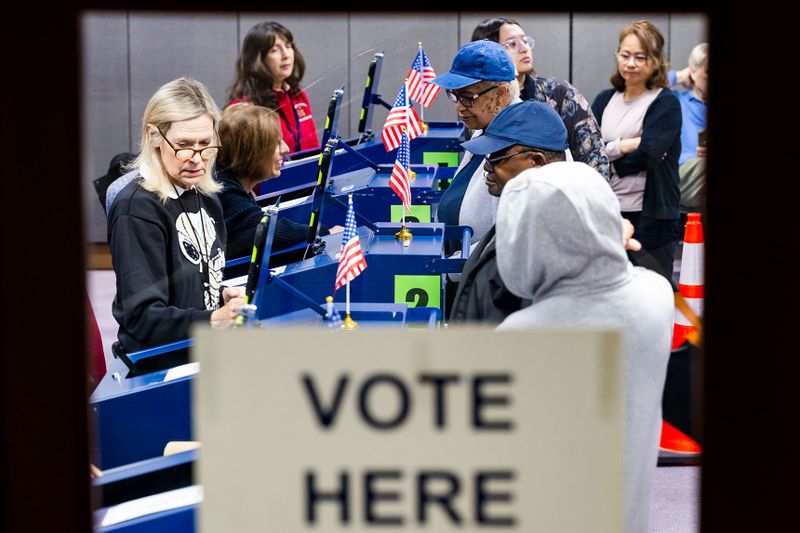
With just hours to go before the American midterm election takes place, the day before South Africa’s own local election, control of both houses of the American Congress hangs in the balance.
DIVISIVE WORDS: ‘We never called for literal killing’ — Malema appeals for farm killings to stop.
EFF leader Julius Malema says the chant “Kill the boer, kill the farmer” was never meant literally and has appealed for farm killings to stop.

TRC ROULETTE : Victims’ families place key hidden evidence before Khampepe inquiry
A physical inspection of old lever arch files by the legal team representing the families of apartheid victims at the Khampepe Commission strengthens Anton Ackermann’s claim that a disputed 2006 memo was forged, reshaping the Khampepe inquiry into delayed apartheid prosecutions.

Top Stories
UN peacekeeping mission in Western Sahara ends after 35 years, UN chief says

Week 8 overreactions: Time for Vikings to bench Kyler Murray? Colts should fire Steichen?

NFL Week 8 winners and losers: Cowboys suffer epic collapse, Joe Burrow delivers historic heroics

How Antonelli 'blew everyone away' to make Formula 1 history

Why is Ashton Jeanty not getting carries? Another Raider emerges as Vegas' top RB in Week 8

Russia and Ukraine accuse each other of hacking emergency alert apps

NFL Week 8 grades for every team: Cowboys get an 'F' for choking, Steelers surge to 'A+'

Ukraine air raid app apparently hacked as users receive false radiation threat, Air Force says
Latest
UN peacekeeping mission in Western Sahara ends after 35 years, UN chief says
Week 8 overreactions: Time for Vikings to bench Kyler Murray? Colts should fire Steichen?
NFL Week 8 winners and losers: Cowboys suffer epic collapse, Joe Burrow delivers historic heroics
How Antonelli 'blew everyone away' to make Formula 1 history
Why is Ashton Jeanty not getting carries? Another Raider emerges as Vegas' top RB in Week 8
Russia and Ukraine accuse each other of hacking emergency alert apps
NFL Week 8 grades for every team: Cowboys get an 'F' for choking, Steelers surge to 'A+'
Ukraine air raid app apparently hacked as users receive false radiation threat, Air Force says