Rivian’s autonomy gamble faces its first real test

During an hourlong earnings call last night, Rivian CEO RJ Scaringe spent less time talking about the production ramp of the all-important R2 SUV than he did hyping the company’s still-unproven autonomous vehicle ambitions.
But the company faces a crucial test later this year, when it rolls out its point-to-point hands-free driving feature — first to its own employees for testing and validation in 2026, and later to customers in 2027. Following that, Rivian says it will launch its first robotaxi vehicles in partnership with Uber in 2028. In short, the next two years will determine whether Rivian will succeed or fail in its high-stakes quest to become a full-stack autonomy player.
“We believe autonomy is a primary product differentiator, market share driver, and long-term value creator,” Derek Mulvey, VP for finance, said during the call.
Success is not guaranteed. Tesla has a huge head start with its Full Self-Driving (Supervised) in over 1.7 million active customer cars. But trying to match Tesla’s driver-assist features — while simultaneously designing its own silicon chips, buying pricey sensors, and paying for massive AI computing power — is a huge financial gamble, especially while Rivian is still struggling to build and sell its mass-market R2 vehicles at scale. (The R2 recently became Rivian’s best-selling vehicle by volume, so progress continues.)
"“We believe autonomy is a primary product differentiator, market share driver, and long-term value creator.”" - Derek Mulvey
But it’s unclear whether Rivian sees the R2 as its make-or-break vehicle or if solving autonomy will be the true decider. That leaves the company in the middle of a difficult balancing act: launching an ambitious, mass-market electric vehicle while simultaneously reinventing itself as a full-stack autonomous driving powerhouse.
Of course, the feature itself needs to work for Rivian to succeed. During the call, Scaringe revealed that he has been using the new point-to-point driving system in his own commute to the office every day, calling it “a wonderful” experience. He continued:
> So, our view is that that is going to become a big driver of demand. And I think it’s unclear how quickly the whole — you know, the whole US market and the whole automotive market — starts to shift to really wanting this, and this being a major purchase criterion. But certainly, we’re at the front end of an inflection point where it’s more and more people exposed to what this could do… We do think it’s a really big driver, in the long term, for market share for us.
But Scaringe was cagey about other details. When asked about Rivian’s take rate for its Autonomy Plus package — in other words, what percentage of Rivian buyers who purchase or subscribe to the software out of the total customer base — the chief executive declined to share the exact number. “The take rate on Autonomy Plus has exceeded our expectations,” he said, “and we’re quite encouraged by it.”
Rivian’s execs are no doubt envious of Tesla’s take rates for FSD: Over 75 percent of new Tesla buyers in North America opted to get FSD in the third quarter of 2026, the company recently reported. Meanwhile, Rivian reported $605 million in revenue from software and subscription services in Q3 2026, a 45 percent increase year over year. And Rivian brought in $256 million in profit in software and services, up $102 million from last year, with a strong 42 percent profit margin.
Rivian will likely spend more money than it brings in as it keeps buying expensive computers and AI systems. On the call, the company pointed out that computer chips, memory, and electronics are getting pricier. It also warned that adding two processors and costly lidar sensors to some R2 models could eat into the profits it hoped to make by building the vehicle in large numbers.
The point-to-point system will face its own hurdles, including edge cases and the complexities of urban driving. A vehicle crash could damage Rivian’s brand and reputation, just as Tesla has experienced many times with FSD. And even though Rivian intends to roll out the feature to require active driver supervision, the company will likely face legal challenges when things inevitably go wrong.
To be sure, Rivian couldn’t afford to sit on the sidelines and concede the autonomous crown to Tesla and Waymo. Self-driving tech could help Rivian post big, software-company-style profits, but paying for expensive AI development while also trying to build the R2 at scale makes the next year or two its riskiest period ever.
Related Topics
Keywords
Related Stories
Apple’s HomeView could add security camera features
Reddit user pdfu found hints hidden in the HomeView 27.2 code that Apple could be adding security camera features to its smart home hub. The strings describe a security camera mode with motion detection, live streaming, and recording options, as well as privacy functions.…

A fully playable version of Portal prequel F-Stop leaked
Leakers have pieced together a playable version of the canceled Portal prequel F-Stop. Most of the assets came from the massive 12-terabyte leak that dropped this August. That didn't include the game's source code or map data, but those final pieces apparently hit the Valve Cut…

North Korea linked to massive Binance crypto heist
The FBI says North Korea was behind the massive $6.3 billion crypto heist that hit Binance on October 29th. The FBI labeled the activity "TraderTraitor" and said that it had observed actors it has connected to hack converting the tokens to Ethereum and preparing for further…

HomePod Mini 2 first look: Three things I love and one disappointment
Apple’s second-generation HomePod Mini is a nice upgrade, but the biggest improvement hasn’t arrived yet. | Photo: Jennifer Pattison Tuohy / The Verge When I first heard about the new $149 HomePod Mini 2 at Apple's Welcome Home event last month, I was disappointed. It's been six…

Top Stories

Okorocha chasing shadows, Uzodimma says, vows to appeal court judgement
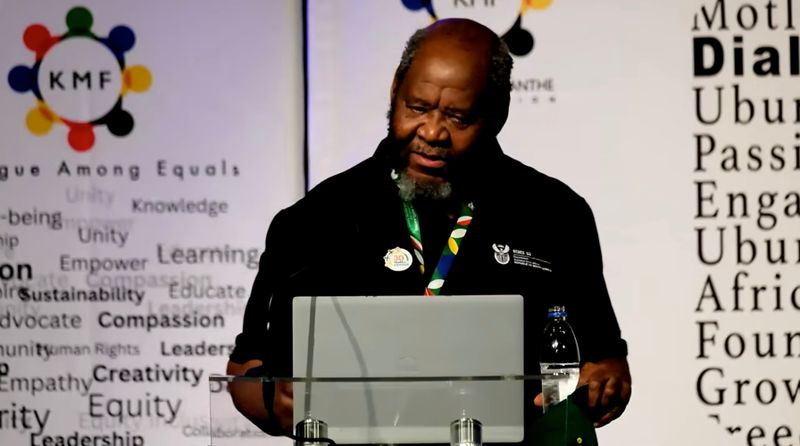
POLITICIANS PUMMELLED: SA’s path to ‘no future’ — former statistician-general Lehohla slams ‘performative’ politics

ANALYSIS: New mayors beware — SA’s local government revolt is waiting for a spark
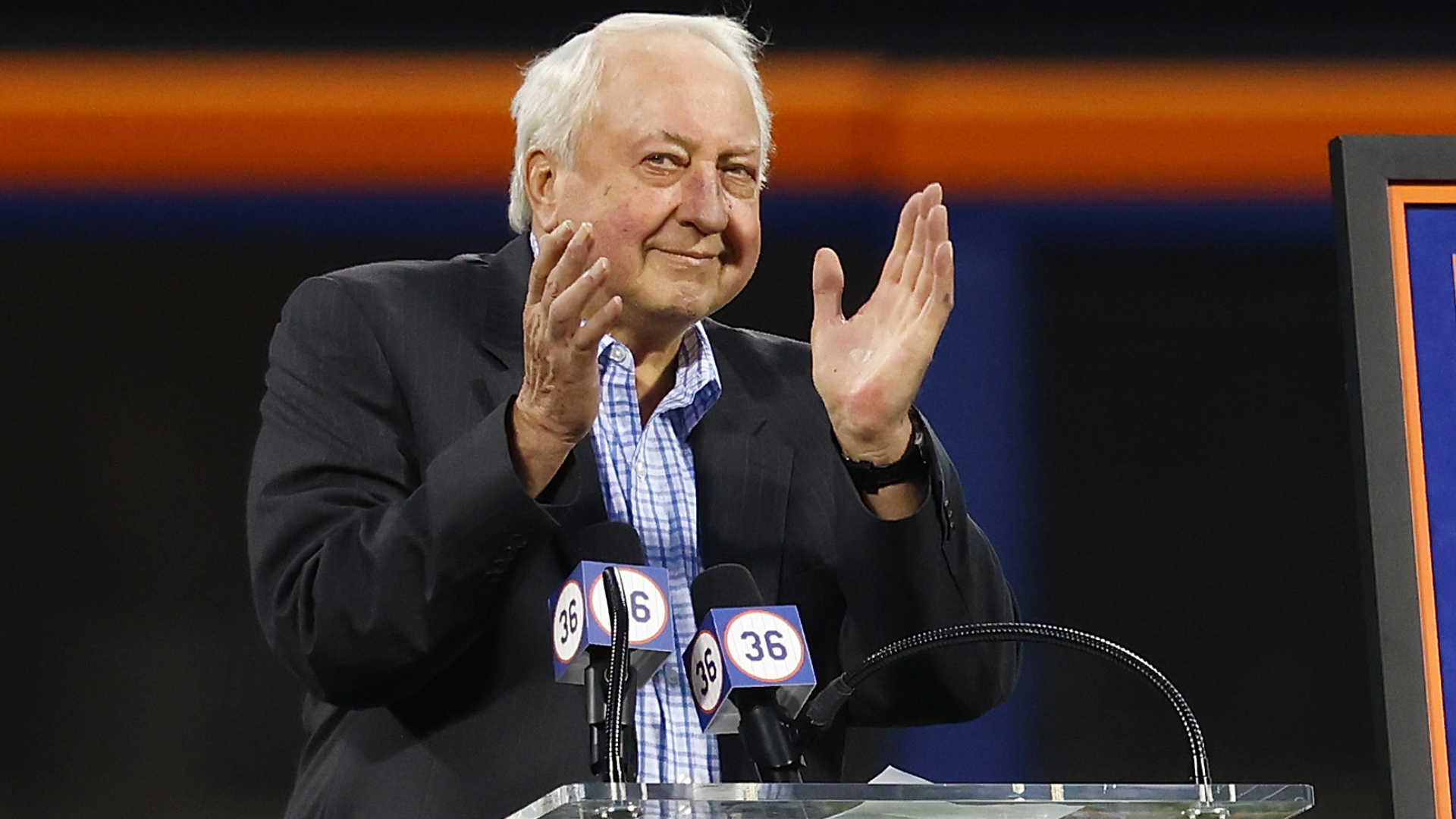
Mets legend Jerry Koosman dies at 83: Pitcher helped New York win 1969 World Series

South-East governors urge Ndigbo to shun deception and vote for Tinubu in 2027

Democrat endorses Republican candidate in key Michigan Senate race as party spat escalates
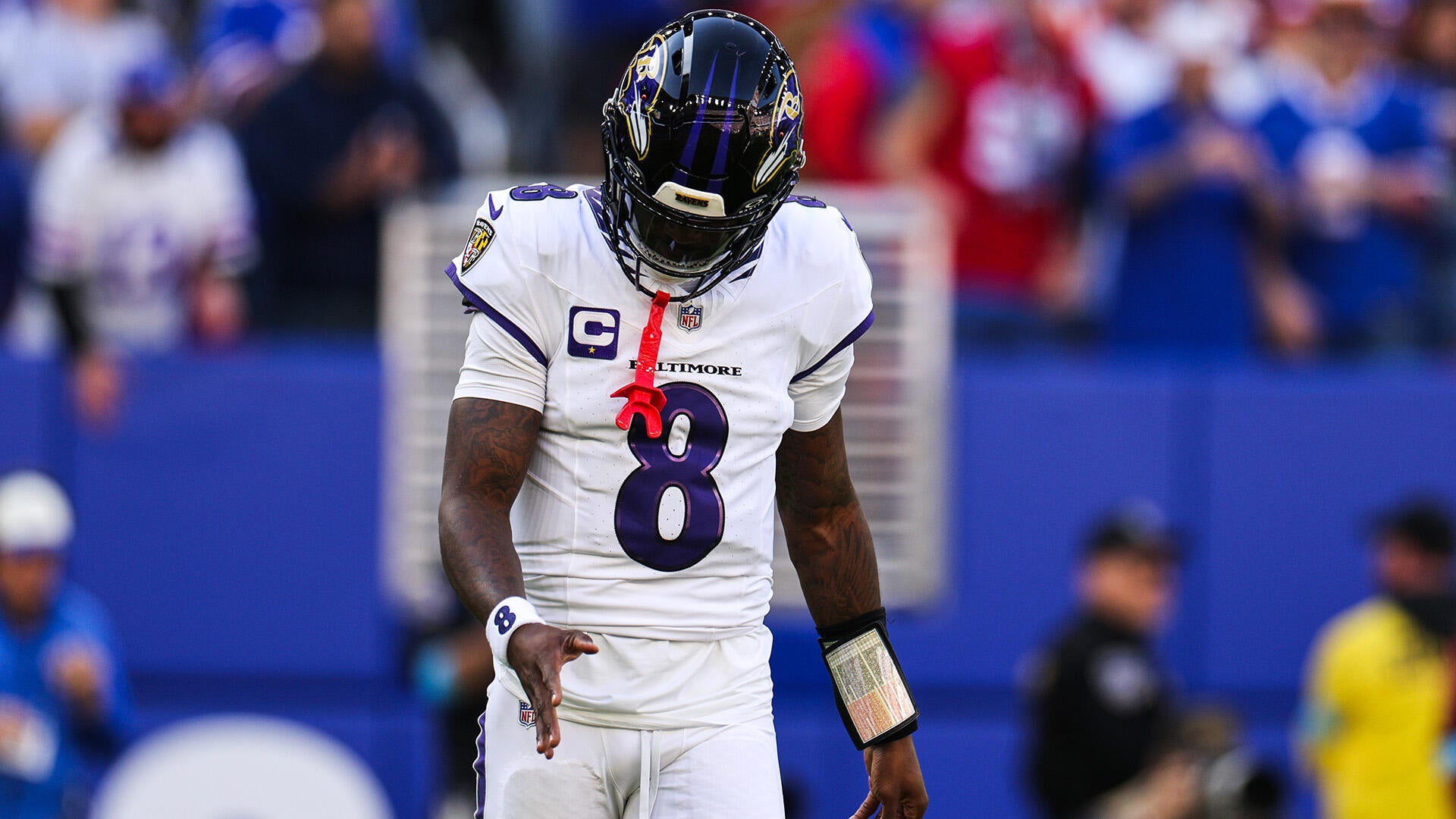
Lamar Jackson exits game with injury: Ravens QB ruled out vs. Bills after just one play

In Zamfara, 9 a.m is 9 a.m: How Lawal is killing ‘African time’ mentality, By Yusuf Ladan
Latest
Okorocha chasing shadows, Uzodimma says, vows to appeal court judgement
POLITICIANS PUMMELLED: SA’s path to ‘no future’ — former statistician-general Lehohla slams ‘performative’ politics
ANALYSIS: New mayors beware — SA’s local government revolt is waiting for a spark
Mets legend Jerry Koosman dies at 83: Pitcher helped New York win 1969 World Series
South-East governors urge Ndigbo to shun deception and vote for Tinubu in 2027
Democrat endorses Republican candidate in key Michigan Senate race as party spat escalates
Lamar Jackson exits game with injury: Ravens QB ruled out vs. Bills after just one play
In Zamfara, 9 a.m is 9 a.m: How Lawal is killing ‘African time’ mentality, By Yusuf Ladan