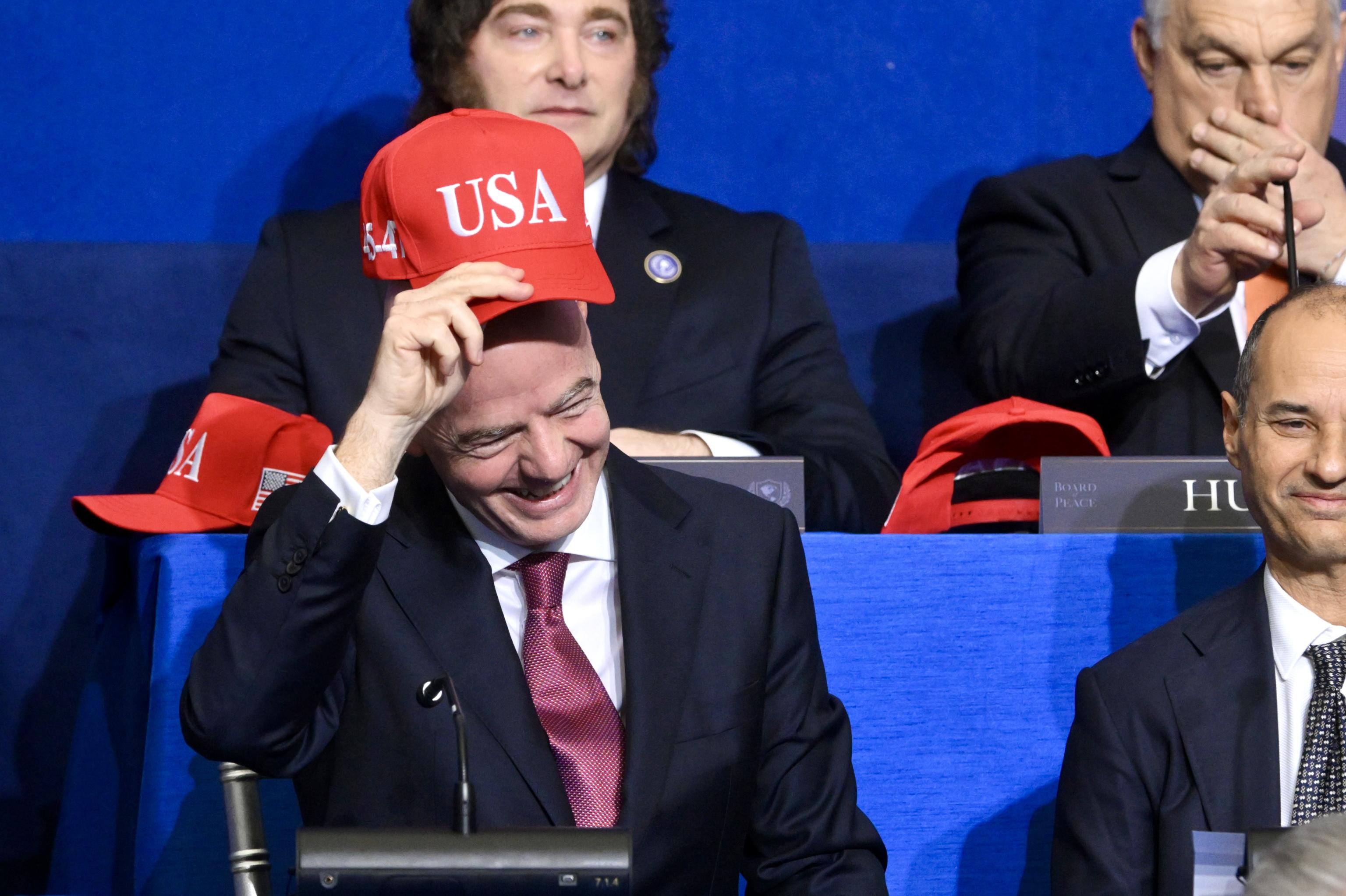
Trump Intervention Sparks World Cup Controversy

The World Cup has been embroiled in controversy following Fifa's decision to suspend the one-game ban of United States striker Folarin Balogun. This move has sparked a heated debate, with many questioning the reasoning behind the decision. According to reports, Balogun was initially given a red card, which would have automatically disqualified him from playing in the team's next match against Belgium.
However, in a surprising turn of events, Fifa chose to overturn the ban, allowing Balogun to participate in the crucial last-16 tie. This decision has been met with criticism from various quarters, with some accusing Fifa of caving in to external pressure. The intervention of Donald Trump, the former US President, has been cited as a possible factor in Fifa's decision-making process.
The background to this controversy lies in the World Cup's disciplinary procedures, which dictate that players receiving a red card are automatically suspended for their team's next match. In this case, Balogun's suspension would have been a significant blow to the US team's chances against Belgium. However, with the ban now lifted, Balogun is free to play, and the US team will be hoping to capitalize on this unexpected turn of events.
The reaction to Fifa's decision has been swift and vehement, with Belgian officials and politicians expressing outrage and disappointment. Some have accused Fifa of compromising the integrity of the tournament by allowing external influences to dictate their decisions. As one report noted, politicians from across the spectrum have condemned the move, with some going so far as to say "shame on you" to Fifa.
In response to the criticism, it is worth noting that Fifa has not publicly commented on the reasons behind their decision to suspend Balogun's ban. However, the fact that the decision was made ahead of a crucial match against Belgium has led many to speculate about the possible motivations behind it. While some have pointed to Trump's intervention as a possible factor, others have argued that Fifa's decision may have been driven by a desire to maintain the competitiveness of the tournament.