She lost her sight - now she is fighting to make history for Africa

Rukayat Taiwo Suleimon only took up sambo this year, but the Nigerian has already secured her place in the history of the martial art.
The sport shares strong roots with judo and wrestling, combining techniques such as hip and leg throws to take opponents to the mat, where they can be pinned.
Originally developed by the Soviet Union's Red Army in the 1920s, it was officially recognised as a combat sport by USSR officials in 1938.
Competing at the 2026 World Sambo Cup in Armenia, Suleimon defeated Uzbekistan's Charos Ortikova in the final of the women's 54kg category to claim victory on her international debut.
It was the first time that women with visual impairments had been included at the competition.
"Being the first female blind sambist in the world to win the gold medal makes me great," the 32-year-old told BBC Sport Africa.
"This is my first time in sambo and God crowned my efforts."
Suleimon's achievement was part of a breakthrough moment for African women in the sport. She and compatriot Elizabeth Aseso, who competed in the 59kg category, were among the pioneering sambists representing the continent in Yerevan.
For Suleimon, her gold medal is a reward for the hard work over many years which has seen her move from athletics to judo and now to the top of the international sambo podium.
"I really benefit a lot from sports and, despite my blindness, I achieve a lot," she said.
"If I [were] not blind, I don't think I would be at this level. I believe I will achieve even more."
From darkness to double glory
Suleimon's journey to becoming a champion has been marked by hardship and a determination to rebuild her life.
After failed surgeries she lost her sight in 2009 because of glaucoma, an eye condition that damages the optic nerve and can lead to permanent loss of vision.
The change in her circumstances affected her relationships, leaving her feeling isolated at a time when she needed support the most.
"People looked down on me. I would just stay indoors and cry," she explained.
"So many friends left me. They stopped communicating with me."
Her life began to take a different direction after she attended a vocational training centre for blind people in Lagos.
Through a friend, she was introduced to a para-athletics coach who helped her discover her potential in sport.
Since 2011, Suleimon has won more than 20 national medals across sprint events (alongside guide runner Stephen Oyelakin), discus and shot put.
She then began practicing judo and sambo.
"Since I [started] sports I have seen that where there is life, there is hope," she said.
"What sighted people can do, a blind person can do even better.
"I'm proud of myself because it's not easy to be a champion in athletics and in sambo. I don't want to lose the glory."
Her achievements have also become a source of pride for her family. Her twin sister Ganiyat Kehinde Suleimon says her sibling's disability has never defined her worth.
"She is someone we are all proud of. She is now a champion," Ganiyat told BBC Sport Africa.
"Her disability did not make her a liability to us."
For Nigerian sambo coach Olugbenga Adekahunsi, Suleimon's performance in Yerevan offered a glimpse of what she can accomplish with the right support and continued development.
"I see a lot of quality in her because she is very strong and the confidence is there," he told BBC Sport Africa.
"I believe she will become a great sambist."
'No support' for para-athletes
Suleimon says the recognition she has earned internationally has not been matched by adequate "support" at home.
However, her victory is the latest milestone in Nigeria's growing presence in the discipline.
Two years ago Samuel Oladele Kekere became the first blind African to compete at the World Sambo Championships in Kazakhstan, and Sodiq Ajibade followed that with a bronze medal at last year's edition in Kyrgyzstan.
"Despite making Nigeria and the whole of Africa proud, there is nothing to show for it," Suleimon said.
Her concerns reflect wider complaints from Nigerian para-athletes about limited funding, inadequate specialist facilities and insufficient institutional backing, despite their achievements.
Sherif Hammed, vice-president of the Sambo Association of Nigeria, says a lack of resources can prevent talented athletes from reaching their full potential.
"When athletes do not have facilities to train, they cannot compete at the world level," he said.
"It is quite disheartening and heartbreaking.
"People with disabilities, particularly visually impaired athletes, sometimes feel that because of their challenges, they have no purpose in life."
For Suleimon, a Lagos State judo champion, the journey to training is also an issue. Travelling across the city and covering transport costs make maintaining a demanding schedule difficult.
"I leave home at 5.30am to make it to training on time," she explained.
"It takes a lot of money and sacrifice."
Suleimon was unable to follow up her World Cup success at the World Sambo Championships in Tashkent, Uzbekistan, where blind women were again scheduled to compete for the first time.
Beaten in Friday's opening round by Moldova's Ina Cernei, she still hopes her exploits on the global stage can inspire others.
"I want to encourage my fellow blind Africans to believe they can do it," said Suleimon. "And I want to make my country proud again."
Related topics
Related Topics
Keywords
Related Stories
I have a picture for you! 01 November-06 November
The First Thing newsletter's Ever-lasting Subscriber Photo Gallery.
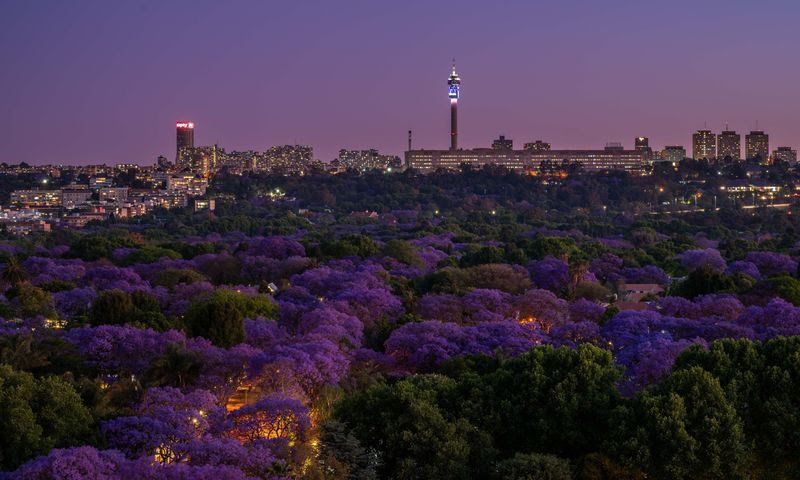
ENVIRONMENTAL JUSTICE: African climate voices demand fair funding and influence before COP31
The winds, drought and excessive rains of climate change are blowing in Africa and it’s time for the Global North to listen and deliver on its climate finance promises. At COP31 in Turkey, which runs from 9-20 November, African countries will need greater weight in…

Diwali lamingtons with jam and coconut
These soft cake squares are coated in raspberry jam and desiccated coconut for a simple twist on the classic lamington.

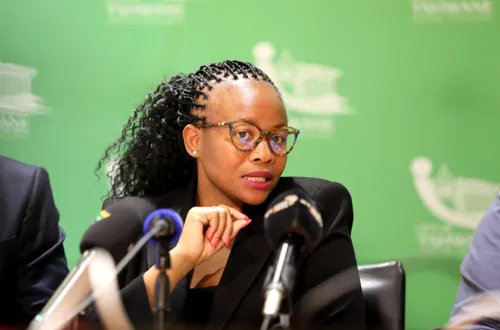
ActionSA to negotiate for Nasiphi Moya to serve another five years as Tshwane mayor
ActionSA National Chairperson Michael Beaumont has thrown his weight behind Dr Nasiphi Moya serving another term as Tshwane mayor, saying the party will negotiate to ensure she remains at the helm of the metro for five more years.
Top Stories
I have a picture for you! 01 November-06 November
ENVIRONMENTAL JUSTICE: African climate voices demand fair funding and influence before COP31

Met chief says he wouldn't be surprised if more allegations made about Brand after rape conviction
Diwali lamingtons with jam and coconut

Train worker recalls repelling attacker with frying pan
ActionSA to negotiate for Nasiphi Moya to serve another five years as Tshwane mayor

Katherine Ryan says she feels 'grief and relief' after Russell Brand conviction

Two Gloucester schools in lockdown after boy hurt in incident
Latest
I have a picture for you! 01 November-06 November
ENVIRONMENTAL JUSTICE: African climate voices demand fair funding and influence before COP31
Met chief says he wouldn't be surprised if more allegations made about Brand after rape conviction
Diwali lamingtons with jam and coconut
Train worker recalls repelling attacker with frying pan
ActionSA to negotiate for Nasiphi Moya to serve another five years as Tshwane mayor
Katherine Ryan says she feels 'grief and relief' after Russell Brand conviction
Two Gloucester schools in lockdown after boy hurt in incident