Southern African farmers prepare for powerful El Nino with agroecology

Farmer Dudzai Matsapa works under a scorching sun, digging small, shallow pits across his field in Nyanga, east of the Zimbabwean capital, Harare. He will later fill these potholes with organic manure and wait for the rainy season. This is all part of Matsapa’s preparation for the anticipated El Nino, which is expected to trigger drought and extreme heat across southern Africa.
Issued on: 08/11/2026 - 09:40
“Instead of ploughing the entire land, I only disrupt the specific spot where plants will grow,” Matsapa told RFI at his farm.
The potholes technique – which captures water, concentrates organic matter and drastically improves crop yields in dry areas – is part of a practice known as agroecology, a system which produces food while protecting the environment.
It involves sustainable farming practices that improve soil health, conserve water and increase biodiversity.
A report published last month by the charity ActionAid showed that agroecology can deliver comparable or greater yields than industrial agriculture. Among its findings were a 41 percent average rise in cereal yields from rotating legumes with cereals across Sub-Saharan Africa.
Since 2021, Matsapa, a father of six, has embraced agroecology techniques including zero tillage, which minimises soil disturbance, and planted drought-resistant crops such as short-term varieties of maize, groundnuts, sunflower, sorghum and millet.
The El Nino effect
The economy of Nyanga, in Zimbabwe’s eastern highlands, mostly runs on tourism, but those in the rural areas survive on farming. But climate change is threatening their livelihoods.
In September, the World Meteorological Organization announced that the El Nino climate pattern is strengthening rapidly in the Pacific Ocean, raising the prospect of months of extreme heat, floods and drought around the globe. Forecasters predict it will peak around late 2026 and continue until at least February next year.
Before its peak, El Nino brings failed crops and empty fishing nets
The United Nations Food and Agriculture Organisation has emphasised the importance of acting early to protect livelihoods.
Farmers in countries such as Zimbabwe and Zambia are using agroecology to prepare for the anticipated drought.
Matsapa makes his own manure from compost. He mixes cow dung and dried grass in a pit and leaves it for several weeks to allow the materials to decompose.
Netsai Dodzo, who is from the same village, has also prepared potholes in her field.
She too grows drought-resistant crops and says that intercropping – an agricultural practice where two or more crop species are grown simultaneously in the same field during a single growing season – helps her to score a bumper harvest.
Intercropping certain crops repels pests, reduces erosion by holding soil together, lowers moisture evaporation and improves soil health.
The ancient African rice that could help farmers grapple with climate change
She also makes bio-chemicals from a mixture of garlic, chilli and other plants to control pests by disrupting the feeding and reproduction of insects, in place of manmade pesticides.
Nswau Kufanga, a farmer from the village of Liboma in Sesheke, Zambia’s Western Province, says she grows a local maize seed variety, known as kafwamba, which is drought-resistant.
“The type of maize that I grow is an early maturity,” the mother of three told RFI. “I can still get a better harvest during drought because it does not need much water and it matures in a few months compared to other varieties that need more time.”
Kufanga grows cassava, groundnuts, millet and sorghum. She also uses the intercropping technique and uses ashes from her kitchen to control pests.
Enduring drought
Namuchana Mubita, another farmer from Sesheke, says that when the area receives good rains, as it did early this year, he gets up to 2.8 tonnes of maize by practising agroecology farming.
His maize harvest during a previous drought was sill slightly above a tonne, providing more than enough food for his four children until the next harvest.
Kufanga said she had an excess of maize that she sold to her neighbours during the 2025 dry season.
Both Mubita and Kufanga have seen farmers who use conventional techniques suffering after their crops shrivelled because of drought.
French cereal farmers experiment with African sorghum to beat the heat
Benjamin Mtembo of Zambia’s Ministry of Agriculture said that harvests from the 14 villages under his jurisdiction in Sesheke bear this out – during a drought, farmers see better harvests with agroecology.
Both Dodzo and Matsapa have reported a decline of 50 percent in harvests during droughts, but this is still enough to feed their families.
Faides TembaTemba, executive director of ActionAid Zambia, said that Zambia needs to move from recognising sustainable agriculture in policy to actively financing agroecology as a national priority.
“Zambia must integrate agroecology into climate and development plans," she told RFI.
For Matsapa's part, he is ready for what El Nino brings. “I have already done my part. Now, I am just waiting."
Daily newsletterReceive essential international news every morning
Keep up to date with international news by downloading the RFI app
Originally published and reported by RFI English.
Read original coverage on RFI EnglishRelated Topics
Keywords
Related Stories
WATCH: Seven North Coast communities oppose proposed cemetery and crematorium
Residents from seven La Mercy-area communities have objected to a proposed 33,800-grave memorial park and six-unit crematorium, citing consultation, traffic, LPG safety and emissions concerns.

PKTT arrests suspected hitman in Aubrey Tsengwa murder case
A 44-year-old man suspected of being a hitman has been arrested in connection with the murder of former Knysna mayor Aubrey Tsengwa.
Bread shortage threatens to plunge more Sudanese into hunger
Nearly three and a half years into Sudan's unrelenting war, soaring costs and a nosediving currency have left people like Sawsan Mahmoud struggling to afford even the most basic staple – bread.

Donald Trump says elections were 'giant step back in history' for the US
President Donald Trump vowed to return “bigger and stronger” after Democrats won control of the US House of Representatives in the midterm elections, which he described as a “giant step back” for the country.

Top Stories

Brobbey wins Colwill battle - player ratings for Sunderland's win over Chelsea

Who was back to his best? Player ratings for Crystal Palace v Liverpool

Apple’s M5 MacBook Air is down to its lowest price since July
WATCH: Seven North Coast communities oppose proposed cemetery and crematorium
PKTT arrests suspected hitman in Aubrey Tsengwa murder case
Bread shortage threatens to plunge more Sudanese into hunger
Donald Trump says elections were 'giant step back in history' for the US
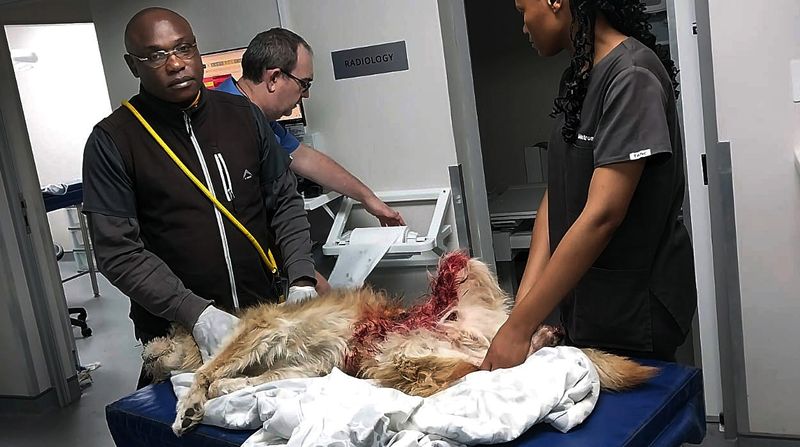
FIREWORKS RISKS: Guy Fawkes fireworks drive Delft dog Max to a horrific death
Latest
Brobbey wins Colwill battle - player ratings for Sunderland's win over Chelsea
Who was back to his best? Player ratings for Crystal Palace v Liverpool
Apple’s M5 MacBook Air is down to its lowest price since July
WATCH: Seven North Coast communities oppose proposed cemetery and crematorium
PKTT arrests suspected hitman in Aubrey Tsengwa murder case
Bread shortage threatens to plunge more Sudanese into hunger
Donald Trump says elections were 'giant step back in history' for the US
FIREWORKS RISKS: Guy Fawkes fireworks drive Delft dog Max to a horrific death