Summer heat is diabetes' quiet accomplice — and too many of us are ignoring it

As the days grow longer and temperatures climb, South Africans do what we do best: head outdoors, light the braai, reach for something cold to drink and call it the good life. Yet for millions living with diabetes, rising heat brings its own dangers.
Warm weather quietly disrupts blood sugar, hydration and medication storage while most people assume the hard part of the year is behind them.
Earlier in September, findings reportedly showed diabetes overtaking HIV and tuberculosis as a leading cause of death, a shift that should unsettle us far more than it has. We built a formidable national conversation around HIV, with campaigns, testing drives and open dialogue in homes, clinics and classrooms. That effort saved lives. Diabetes lives in whispers. It is time we gave it the same urgency, volume and refusal to look away.
In my practice, I see the gap every day. Many patients believe that one pill a day completes the job when, in truth, medication is only one pillar, held up by what we eat, how we move and how closely we monitor our bodies. Summer tests all three at once.
Heat does not cause diabetes but it makes the condition harder to manage. High temperatures increase fluid loss through sweating. Dehydration can push blood sugar higher and leave you feeling tired, dizzy and unwell. Warm weather also changes our routines, with irregular meals, longer days, more alcohol and more social gatherings, all of which can quietly shift blood sugar from where it should be.
What do I tell my patients? Drink water consistently through the day rather than waiting to feel thirsty and leave the sugary cooldrinks, fruit juices and flavoured iced teas alone, since they disguise a sugar spike as refreshment. Check your blood sugar more often, because heat, activity and changes in eating patterns can all move your numbers in either direction. Store insulin and test strips properly, never leaving them in a parked car, direct sunlight or a hot bag because extreme heat can damage them and compromise your treatment.
Exercise in the cooler parts of the day, early morning or late afternoon, and carry water and a fast-acting sugar source in case your levels drop. Protect your feet, since walking barefoot on hot pavement, sand or poolside tiles can cause burns or cuts you might not feel — diabetes can dull sensation. Finally, wear sunscreen and loose, breathable clothing.
Speak to your healthcare provider early if you feel unwell, because heat exhaustion and diabetes complications can look alarmingly similar.
This is no longer an older person's problem. I am seeing younger patients, shaped by busy schedules, desk-bound jobs, convenience meals and alcohol that do their damage long before a diagnosis arrives. Many of us have drifted from traditional home-cooked food towards diets heavy in processed products, sugar and unhealthy fats, while telling ourselves that healthy living can wait until we are older or until we are sick. That belief is costing us dearly.
Summer is also the season of the braai, the festive table and the cooler box, and I am not asking anyone to give up the gatherings that bring us together. I am asking for smarter plates, with grilled meat and vegetables, salads and water at the centre rather than the edges.
Parents often tell me that a recommended diet is difficult because there are children to feed. I see opportunity instead. When one person at the table changes how the family eats, everyone benefits.Children who learn what a balanced plate looks like and why movement matters grow into adults who never have to unlearn bad habits.
What must change is clear. We need sustained public education, early screening, prevention and effective disease management, with healthcare professionals, parents, schools and communities all carrying part of the load. We gave HIV a national conversation; diabetes deserves one too.
Healthy living should not begin with a diagnosis and it should not take a holiday when the sun comes out. It must begin in childhood, settle into everyday life and travel with us as we age, shifting our focus from treating disease alone to preventing it wherever possible. Summer returns every year, and whether it finds us prepared is entirely up to us.
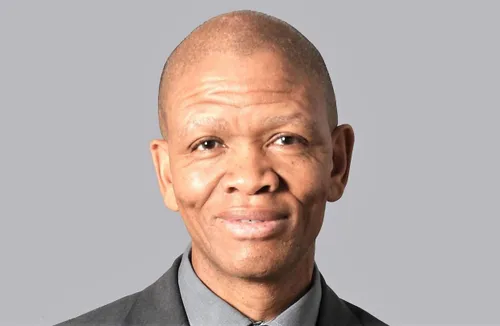
Dr Veronica Netangaheni is the founder of Dr Vee Health and Wellness.
Keywords
Related Stories
ADMINISTRATIVE CHAOS: Athletics SA moves rapidly to implement World Athletics leadership overhaul directive
After being mandated to overhaul its leadership and constitution by World Athletics, South Africa’s custodian of athletics has provided an update on the next steps as it chips away at compliance.

Bangladesh garment workers stage fourth day of wage protests
Garment workers in Bangladesh staged a fourth day of wage protests on Tuesday, with police firing tear gas to disperse demonstrators as unrest disrupted factory operations and transport links in the country's vital export sector.

Iran-US deal still out of reach despite heightened diplomatic efforts
Iran and the United States are far from reaching a deal to end the war, a senior Iranian official told Reuters on Tuesday, despite heightened diplomatic efforts to prevent a potential return to active conflict after the US midterm elections.

BHEKISISA: Meet the ‘matriarch of pain’ who wants to change how SA treats patients
Pain is one of the primary reasons people seek medical care. Yet it’s barely taught and poorly treated. Physiotherapist Romy Parker has spent two decades trying to change that.

Top Stories
ADMINISTRATIVE CHAOS: Athletics SA moves rapidly to implement World Athletics leadership overhaul directive
Bangladesh garment workers stage fourth day of wage protests
Iran-US deal still out of reach despite heightened diplomatic efforts
BHEKISISA: Meet the ‘matriarch of pain’ who wants to change how SA treats patients
Service delivery gripes set to dominate 2026 LGE voters’ choices

West Ham sack head coach Nuno Espirito Santo
Mkhwanazi warns police against political bias ahead of KZN local government elections

Jet may have broken apart before Florida crash, officials say, as family named among victims

Latest
ADMINISTRATIVE CHAOS: Athletics SA moves rapidly to implement World Athletics leadership overhaul directive
Bangladesh garment workers stage fourth day of wage protests
Iran-US deal still out of reach despite heightened diplomatic efforts
BHEKISISA: Meet the ‘matriarch of pain’ who wants to change how SA treats patients
Service delivery gripes set to dominate 2026 LGE voters’ choices
West Ham sack head coach Nuno Espirito Santo
Mkhwanazi warns police against political bias ahead of KZN local government elections
Jet may have broken apart before Florida crash, officials say, as family named among victims