Super Typhoon Bavi Slams US Pacific Islands with Extreme Winds
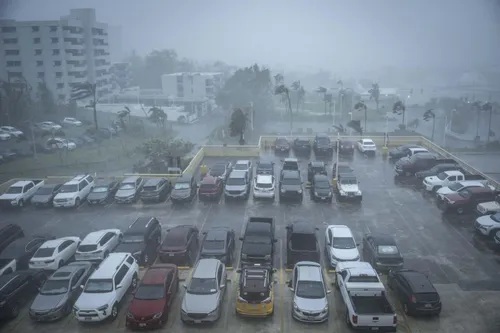
Super Typhoon Bavi has made landfall on the United States Pacific territories, bringing destructive winds and widespread disruption. The storm is classified as a category-five hurricane, with sustained winds reported at nearly 290km/h (approximately 180mph) and gusts reaching 350km/h, according to meteorological observations.
The affected areas include the Northern Mariana Islands — specifically the island of Rota — and the broader territory of Guam. Both locations are remote U.S. territories in the western Pacific Ocean, where the typhoon’s intensity has been felt most strongly.
Residents across these islands are experiencing major damage to infrastructure and homes, with reports of dire conditions as people seek shelter from the relentless winds. The storm’s force has also raised concerns about potential flooding, adding to the hazards faced by communities already coping with the wind impact.
The typhoon’s classification as a category-five system places it among the most powerful tropical cyclones, capable of causing catastrophic damage when it makes landfall. Such storms are rare in the region, underscoring the severity of the current weather event.
As the system continues to move over the islands, emergency personnel remain engaged in response efforts, though specific details of official actions are not provided in the source reports. The immediate priority for inhabitants is safety, with many remaining in shelters until conditions improve.
Ongoing monitoring of the typhoon’s progression is essential, as the full extent of the damage and the needs of the affected populations become clearer. The situation remains fluid, and further assessments will be required to determine the scope of recovery needed in the wake of Super Typhoon Bavi.