The dangerous price of silence
This year may well be remembered as one of the most polarised periods in recent history. Political divisions are deepening, while anti-immigrant sentiment continues to intensify.
Geopolitical conflicts are fracturing international relations and the rising cost of living is testing the resilience of communities across the world, driving millions into the streets in protest, sometimes with violent consequences. From France to Ukraine and from Soweto to Durban, scenes of unrest have brought a stark reality into focus: violence often becomes the language of desperation, particularly when grievances go unheard and avenues for peaceful resolution appear out of reach.
On 4 November millions of South Africans went to the ballot box to exercise a democratic right hard won 32 years ago. This right and the promise of peacebuilding it represents were forged through decades of struggle, as liberation movements and their allies united in solidarity around a shared vision of freedom, democracy and peace.
It is this spirit of solidarity that we need most today. We need voices willing to challenge the prevailing tide of protectionism and polarisation and leaders with the courage to speak out against injustice, even when doing so is unpopular.
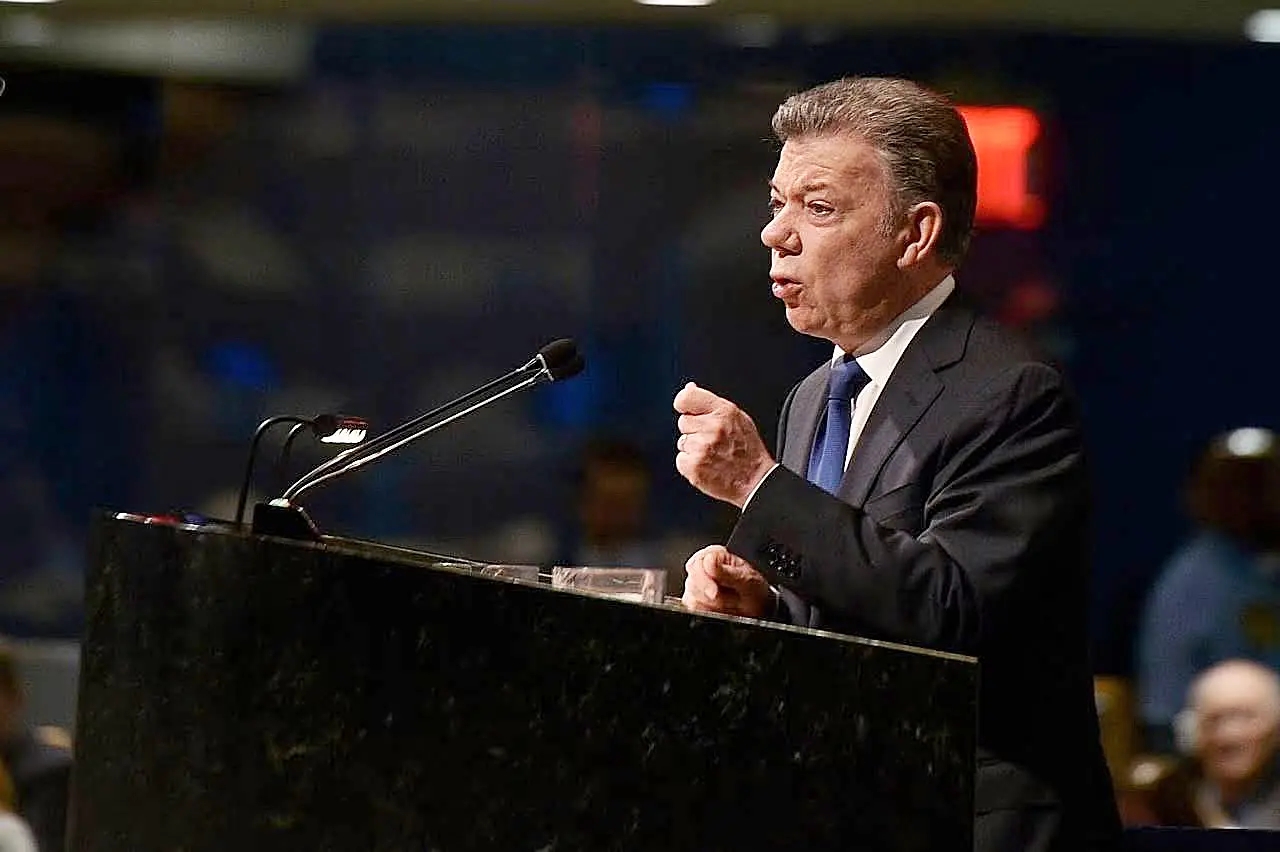
Former Colombian president Juan Manuel Santos often invokes the words of Nelson Mandela: “The most powerful weapon is [the ability] to sit down and talk.”
It was this conviction in the power of dialogue that Santos drew upon a decade ago when he led Colombia through one of the most consequential peace processes in its history, aimed at ending more than five decades of armed conflict between the government and the Revolutionary Armed Forces of Colombia (FARC). Awarded the Nobel Peace Prize in 2016, Santos has become a prominent voice for peace, justice and reconciliation.
His leadership offers a powerful reminder of what dialogue can achieve, even in societies fractured by conflict. This year, Colombia marks the 10th anniversary of its historic peace agreement against the backdrop of another consequential electoral period.
It is therefore fitting and timely that Santos will deliver the 24th Nelson Mandela Annual Lecture on 6 November in Cape Town, under the theme: “When is silence complicity?” The question speaks to one of the defining moral dilemmas of our time: Where does the principle of non-interference end and where does our collective responsibility to speak out against injustice begin?
For more than two decades, the Nelson Mandela Annual Lecture has convened leaders, thinkers and changemakers to reflect on the challenges of our time and the kind of leadership required to confront them. It has remained a platform for critical reflection, courageous conversations and the exchange of ideas that challenge us to move beyond rhetoric towards meaningful action. This year’s Annual Lecture, held in partnership with One Young World, a global community for young leaders, continues the tradition, inviting us to confront the uncomfortable question of when silence ceases to be neutrality and becomes complicity. The lecture coincides with the One Young World Summit, as the country commemorates 50 years since the 1976 Soweto Youth Uprising.
The historic milestone serves as a reminder of the courage of young people who refused to remain silent in the face of injustice. It also pre-sents an opportunity to honour their legacy by recognising a new generation of young leaders who are confronting the injustices of our time and shaping a more equitable and peaceful future.
The journey to progress is neither passive nor can it be pursued in isolation. Madiba reminded us of this when he said: “For to be free is not merely to cast off one’s chains but to live in a way that respects and enhances the freedom of others.”
Our duty as peacemakers is to recognise that the pursuit of peace extends beyond securing one’s freedom or that of your country, to safeguarding the dignity and freedom of others, even amid disagreement.
Santos serves as chair of The Elders, an independent group of global leaders founded by Madiba in 2007 to advance peace, justice, human rights and a sustainable planet. He is often quoted as saying: “It is far more difficult to make peace than to wage war. I know it because I’ve done both.” His words carry the weight of lived experience from which we can all draw.
Inclusive dialogue and diplomacy are deliberate acts of leadership that require a great deal of courage. They demand a willingness to confront difficult truths and to engage with those with whom we disagree.
Santos’s belief that “every conflict has a solution” reminds us that no division should be considered beyond resolution, provided there is the political will to pursue peace and the courage to sustain dialogue. It begins with the courage to speak. We need this courage more than ever.
Dr Mbongiseni Buthelezi is Chief Executive at the Nelson Mandela Foundation.
Related Topics
Keywords
Related Stories
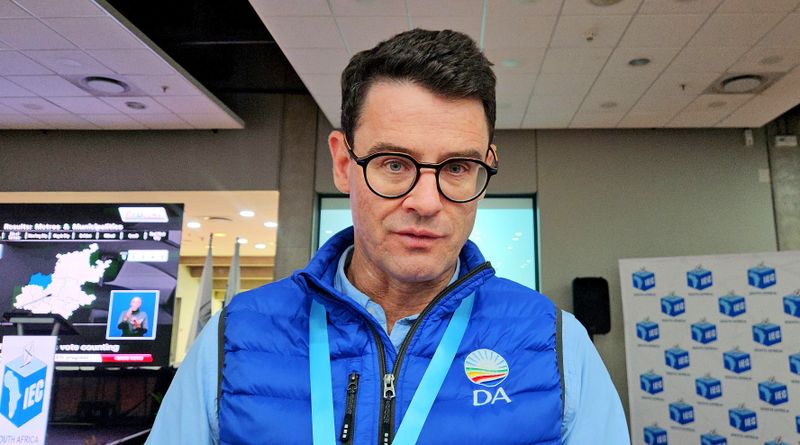
LOCAL ELECTIONS 2026: DA draws coalition red lines as Nelson Mandela Bay results take shape
With the DA leading the vote count in Nelson Mandela Bay, provincial leader Andrew Whitfield says the party is open to coalition negotiations but will not work with the EFF or MK party. He says good governance and service delivery, rather than positions and power, must guide any…
Gov Abiodun declares Ogun ready for state police
The governor described the establishment of state police as a critical step towards strengthening security, protecting investments and sustaining the state’s growing economic activities The post Gov Abiodun declares Ogun ready for state police appeared first on Premium Times…

Former Cross River PDP chair doubts party’s 2027 chances
Former Cross River PDP chairman Venatius Ikem questions the party’s ability to challenge the APC in 2027, describing its structures as fragmented and its Wike-backed presidential candidate, Sandy Onor, as politically invisible. The post Former Cross River PDP chair doubts…

Türkiye and SA look to a bigger future together
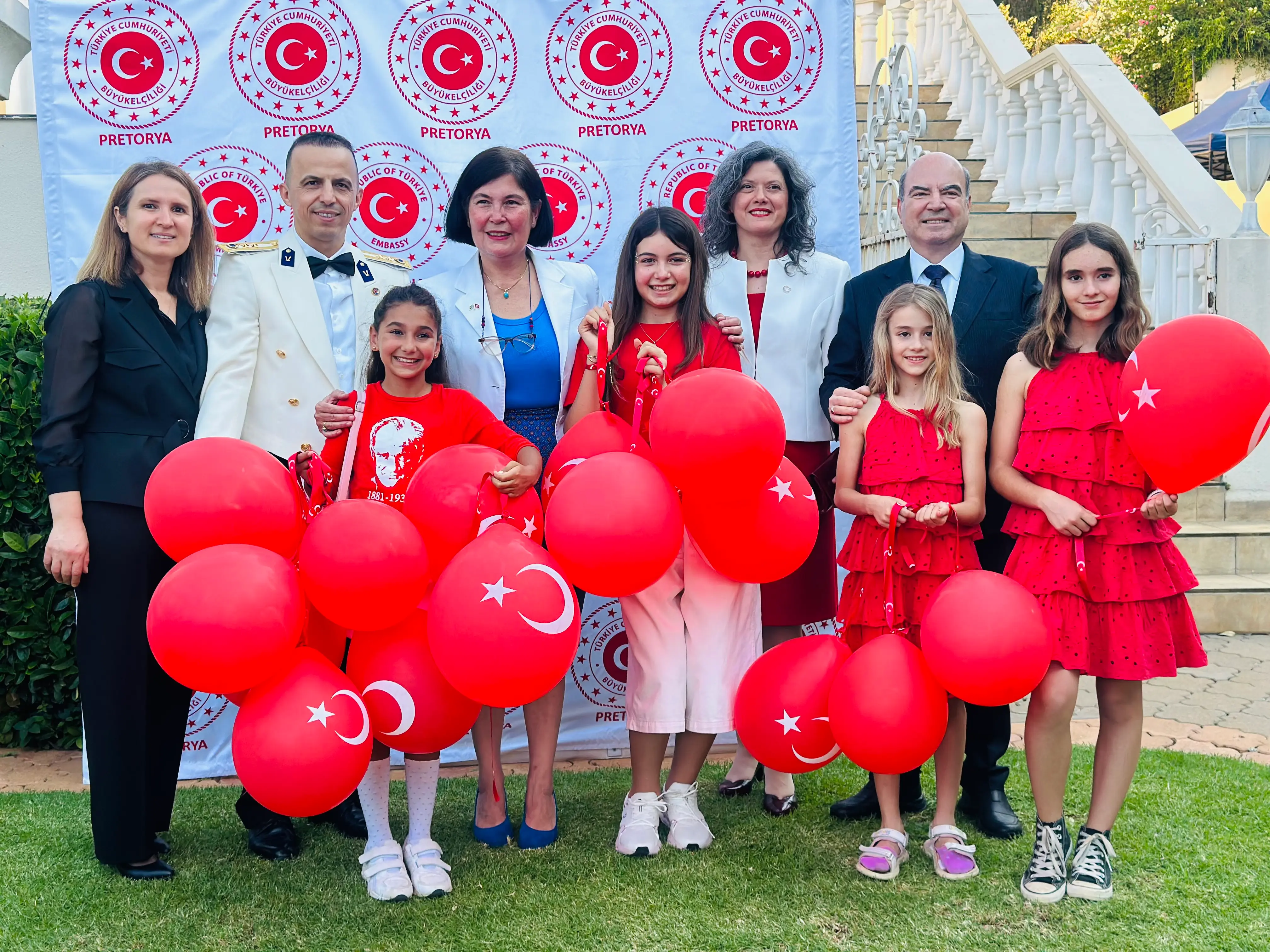
The Embassy of the Republic of Türkiye in Pretoria celebrated the 103rd anniversary of the proclamation of the Republic, spotlighting growing diplomatic and economic ties with South Africa.
Top Stories
LOCAL ELECTIONS 2026: DA draws coalition red lines as Nelson Mandela Bay results take shape

USMNT's Gold Cup path to look different as Concacaf unveils revamped group-stage format

Best horse racing betting sites: Where to bet on horse racing
Gov Abiodun declares Ogun ready for state police
Former Cross River PDP chair doubts party’s 2027 chances
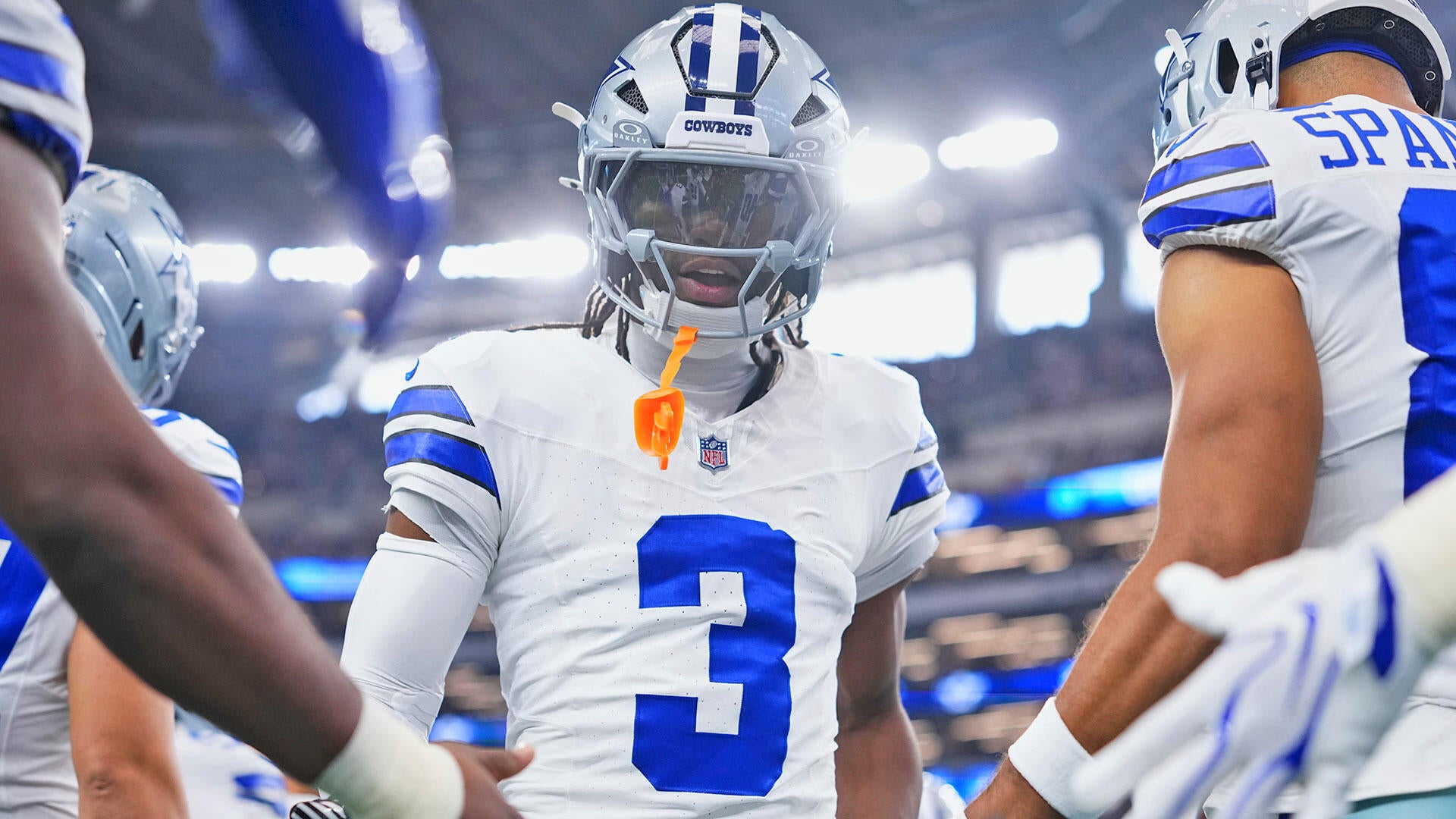
Cowboys stars reject George Pickens trade talk ahead of NFL deadline
Türkiye and SA look to a bigger future together

Firms told to publish salaries in job adverts ahead of new law
Latest
LOCAL ELECTIONS 2026: DA draws coalition red lines as Nelson Mandela Bay results take shape
USMNT's Gold Cup path to look different as Concacaf unveils revamped group-stage format
Best horse racing betting sites: Where to bet on horse racing
Gov Abiodun declares Ogun ready for state police
Former Cross River PDP chair doubts party’s 2027 chances
Cowboys stars reject George Pickens trade talk ahead of NFL deadline
Türkiye and SA look to a bigger future together
Firms told to publish salaries in job adverts ahead of new law