The Gambia: Unleashing investment potential for sustainable development
The Gambia – one of the smallest African states with a population under 3 million – has undertaken significant reforms in recent years, particularly since receiving its investment policy review led by UN Trade and Development (UNCTAD) in 2017.
In a new report produced at the Gambian government’s request, UN Trade and Development assesses the country’s progress towards implementing recommendations from the 2017 review.
The report also proposes additional measures to further improve the investment and business environment in the West African nation.
From 2017 to 2021, foreign direct investment (FDI) flows to the Gambia shot up by approximately 14-fold, reaching an all-time high of $249 million.
Currently, FDI inflows correspond to about 10% of the country’s GDP, up from just 1% in 2017.
The Gambia also outperforms neighbouring, larger economies, with FDI per $1,000 of GDP nearly seven times the average of the Economic Community of West African States (ECOWAS), and four times higher than that of other African least developed countries.
By the end of 2023, the Gambia’s FDI stock stood at nearly $1.4 billion. This was the largest among regional peers relative to GDP, excluding Mauritania.
Despite multiple global crises since 2017, the Gambia implemented reforms to update its investment legislation and regional investment agreements.
It also made progress in rolling out e-government tools and fostering dialogue between the public and private sectors.
Additionally, several laws are currently under review for improvement.
These efforts have led to stronger regulation, better infrastructure, more access to international markets, as well as growing interest from foreign investors in the country’s manufacturing, agriculture, tourism and energy sectors.
To further tap the Gambia’s investment and development potential, UN Trade and Development proposes a range of new recommendations.
It underscores the need for clearer investment-specific legislation aligned with best practices, and a more targeted investment promotion strategy.
It also advocates for including more sustainable development features in investment treaties, pointing to UN Trade and Development tools such as the investment policy framework for sustainable development, the reform package for the international investment regime and the international investment agreement reform accelerator.
Echoing the latest World Investment Report, UN Trade and Development encourages the Gambia to keep expanding e-government initiatives, which are key to improving governance, transparency and the ease of doing business.
It also recommends more capacity building to bolster competition and consumer protection.
Since 1999, the Investment Policy Review programme of UN Trade and Development has covered 60 economies worldwide.
The programme offers objective assessments of a country’s legal, regulatory and institutional framework, along with tailored recommendations to leverage investment for development benefits.
Key areas of evaluation include FDI-specific frameworks, business creation, taxation, labour, competition, the environment, governance and sectoral regulations.
Originally published and reported by UN Trade and Development (UNCTAD).
Read original coverage on UN Trade and Development (UNCTAD)Related Topics
Keywords
Related Stories
Ukraine: Russian strikes hit Kyiv region, damaging infrastructure
Russian strikes have damaged infrastructure in the Kyiv region and left a kindergarten in ruins in the Ukrainian capital. Firefighters battled a major blaze as Ukraine faced renewed attacks on its energy network.

COP31: What Nigeria, other African countries will push for at UN climate summit
The group said securing adequate and predictable climate finance, particularly grant-based and concessional funding, would be central to Africa’s negotiating priorities at the conference The post COP31: What Nigeria, other African countries will push for at UN climate summit…

LOCAL ELECTIONS 2026: ANC faces coalition scramble after electoral rout as control of key metros slips away
With councils due to convene within 14 days, the ANC must choose between coalition deals, opposition and uneasy partnerships to retain municipal influence.

NNPC says its gas supply not cause of low power generation
Electricity supply across major Nigerian cities, including Lagos and Abuja, has declined significantly in recent weeks, worsening concerns over the country’s unreliable power supply. The post NNPC says its gas supply not cause of low power generation appeared first on Premium…

Top Stories

Billam-Smith stopped as Clarke repeats amateur win

Ambika Mod says the 'glass ceiling is always getting higher' for South Asian actors

The rise of microdramas: The 'snackable' shows made for the scrolling age

Can the Zelda remake capture the magic of the original?

'Dana, please take the job!' - Trump asks UFC boss to be White House press secretary
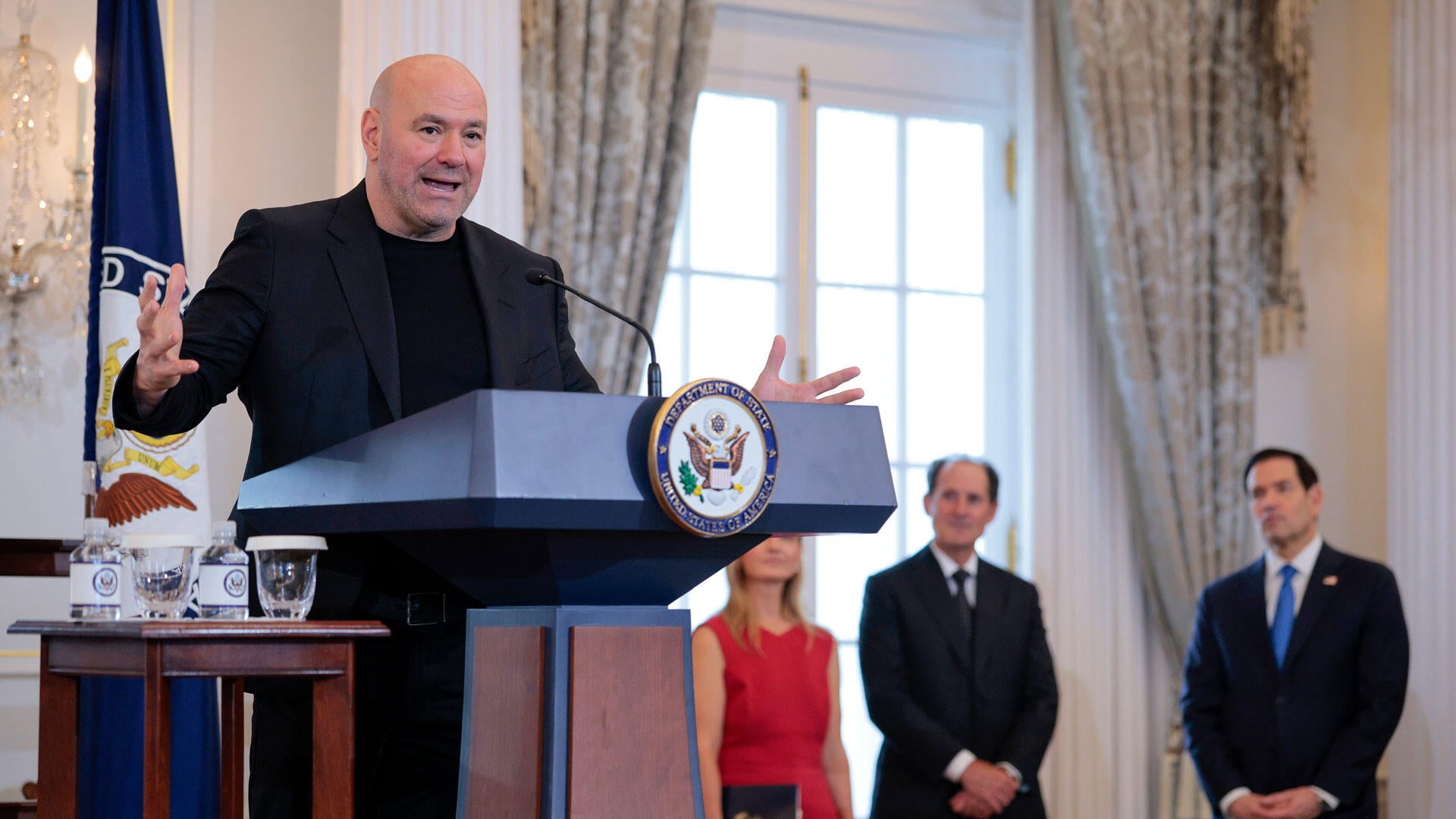
Dana White next White House press secretary? UFC boss set for meeting with President on Monday

'The worst conditions in my 35-year career' - commentating in the FA Cup fog

'Curtains for Robinson' or can floundering Aberdeen boss survive?
Latest
Billam-Smith stopped as Clarke repeats amateur win
Ambika Mod says the 'glass ceiling is always getting higher' for South Asian actors
The rise of microdramas: The 'snackable' shows made for the scrolling age
Can the Zelda remake capture the magic of the original?
'Dana, please take the job!' - Trump asks UFC boss to be White House press secretary
Dana White next White House press secretary? UFC boss set for meeting with President on Monday
'The worst conditions in my 35-year career' - commentating in the FA Cup fog
'Curtains for Robinson' or can floundering Aberdeen boss survive?