The R2,000 cost of rotten food: Why load shedding never ended for Johannesburg residents
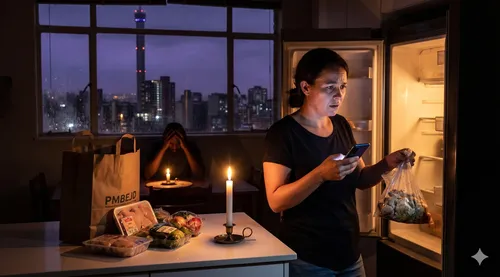
<p>The average Joburg resident waits 14 hours for the power to be restored as the city has a R44bn infrastructure backlog.</p>
<p>Image: Gemini Ai</p>
<p>For many Johannesburg residents, load shedding never really ended, and each extended outage can cost homes almost R2,000 in spoilt food when working off the Pietermaritzburg’s Economic Justice & Dignity’s average food basket value of around R5,500.</p>
<p>The scheduled blackouts may have largely disappeared, but they have been replaced by unplanned outages that arrive without warning and, in some cases, leave homes and businesses without electricity for days. Unlike load shedding, there is no schedule to plan around, no app to check, no warning before the lights go out.</p>
<p>“I got to a point where I don’t even ask what happened. I’ll wait for it to come back whenever it comes back,” <a href="https://iol.co.za/business/economy/2026-06-23-the-average-south-african-earns-r21228-a-month-so-why-is-one-tiny-surprise-leaving-millions-broke/" target="_blank" rel="noopener noreferrer">one resident wrote</a> after another prolonged outage. Others have described waiting five, six and even eight days for power to be restored after cable theft or equipment failures – stretches that are long enough to spoil food, kill small businesses and make working from home impossible.</p>
<p>The frustration plays out publicly beneath almost every outage update City Power posts online. Residents swap reference numbers in the comments, ask whether repair crews have actually arrived, and describe logging the same fault repeatedly while waiting for someone to respond. For many, the interaction with City Power has become a ritual of diminishing hope.</p>