‘They have forgotten us’
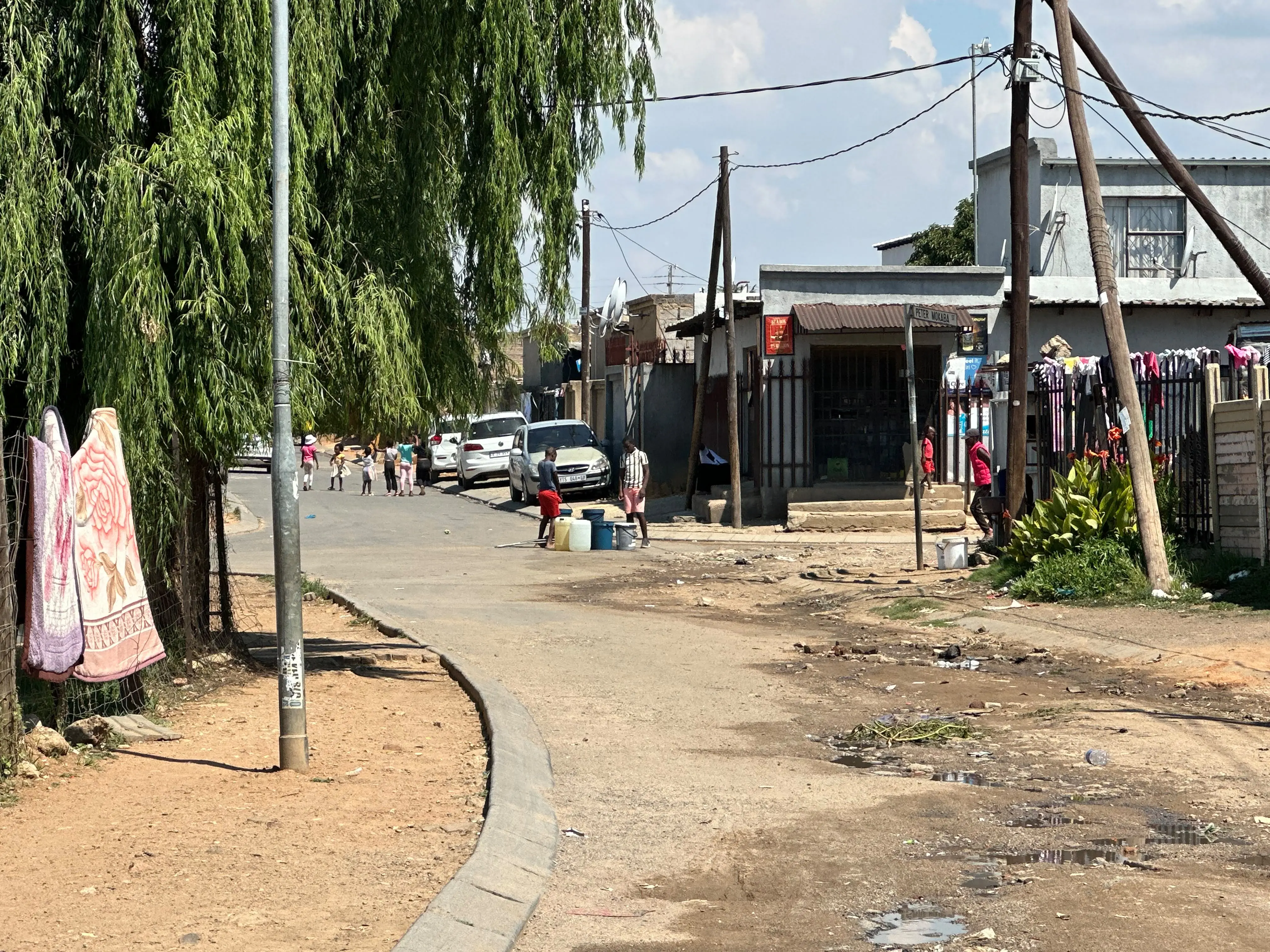
We used to feel their presence long before the voting station went up. They have forgotten us. The ANC has forgotten us.”
For Zodwa Ngubo, a resident of Endulwini section in Tembisa, the changing face of election campaigns tells a story of its own. There was a time when the presence of the African National Congress (ANC) in the community was unmistakable. Residents knew when elections were approaching. The party was visible, its representatives were familiar faces, and there was a sense that the people living in the township mattered.
But that feeling, she says, has slowly disappeared.
“The presence of the ANC is not as strong as it used to be, and that makes me feel like the freedom that I and many others fought for is slipping away,” she says.
It is not that Ngubo does not understand that the country has changed. She knows that the young people growing up in Tembisa have different expectations and face challenges that are not necessarily the same as those her generation experienced. But understanding the changing times, she argues, should not be an excuse for political parties to abandon the communities that helped bring them into power.
“Times have changed, I understand, and the needs of today's youth are way different from ours. But at least come and see how these children are living and fulfill their needs. Stop pretending like they don't exist,” she says.
For Ngubo, the frustration is not limited to the ANC. It is also about the growing disillusionment among young people who have become increasingly sceptical of the political promises made to them every election cycle.
She does not blame them for looking elsewhere.
“I absolutely understand when young people say they are voting for emerging smaller parties. Perhaps that will help get their point across,” she says.
A few streets away, that sentiment appears to be taking shape. An ActionSA campaign tent stands alongside the Xolani Khumalo Foundation, with the party's mayoral candidate for Ekurhuleni, Xolani Khumalo, among those campaigning in the area. A few taxis, carrying the party's banners, are parked nearby. Young people gather around the campaign, some of them preparing to cast their votes for the first time. There is an energy around the gathering, but beneath the enthusiasm is a familiar uncertainty. For these young people, choosing a political party is not necessarily an expression of unwavering belief. It is, in many ways, an attempt to find something different from what they have known. One of the young people involved in the campaign says the decision to support a smaller party comes with no guarantees. “It is all a gamble, to be honest. We are just hoping that things get better and the state of the country changes because we cannot live like this any longer,” he says.
His words capture the difficult position many young voters find themselves in. They are being asked to participate in a democracy that promises them a voice, but many feel that their voices have been ignored for years.
For some, the frustration has grown so deep that the traditional political loyalties of their parents no longer hold the same meaning.
“We feel like we have no place in the EFF or ANC. They did not campaign for our vote well enough in Endulwini,” he says.
It is a telling statement. The young man is not necessarily saying that he has found a political home. Rather, he is describing the feeling of being politically homeless, of having to choose between parties without feeling that any of them truly understands the conditions under which he and his peers are living.
Further across the township, the distance between political campaigning and the everyday lives of residents becomes even more apparent. Ntsako Maswanganyi is hanging her laundry when the conversation turns to election day. While political parties are out on the streets trying to convince residents to give them another chance, she has other things to worry about.
She would rather get on with her household responsibilities than make her way to a voting station.
It is not that she does not understand the importance of voting. It is that, from where she stands, the people asking for her vote have not given her enough reason to interrupt her day.
She says she rarely sees representatives from the ANC, Democratic Alliance (DA) or Economic Freedom Fighters (EFF) in her part of the township. Their absence, she suggests, is particularly noticeable when residents are struggling with problems that require more than election-day visits.
“We have not had water for over a year now. That should answer all your questions,” she says.
For Maswanganyi, the water crisis is not an abstract political issue to be debated during campaign rallies or raised in council meetings. It is something that determines how she runs her household, how she washes her clothes and how she plans her days.
Even the water she has managed to get her hands on comes with a responsibility to make it last.
“The water that I have just done my laundry with, I now have to save so I can clean with it for a few days before the water trucks decide to come,” she says.
There is a particular kind of exhaustion that comes with having to plan one's life around the availability of something as basic as water. It means that ordinary household chores become calculations. Every bucket matters. Every litre must be accounted for, and every day without a reliable supply brings another inconvenience that reside.
While political parties are asking communities to think about the future of the country, Maswanganyi is thinking about how much water she has left and when the next truck might arrive. The contrast is difficult to ignore. “They don't come here, so why should we stop our lives to show up for them?” she asks. Her question is perhaps one of the most difficult ones confronting South Africa's political parties.
What does it mean to ask people to participate in democracy when they do not feel that democracy has participated in their lives?
In Tembisa, the frustration is not always expressed through political speeches or organised protests.
Sometimes it comes through a woman hanging her washing, carefully considering how she will stretch a few containers of water over the next several days.
Sometimes it comes from a young person standing beside a campaign tent, admitting that supporting a different party is nothing more than a gamble.
And sometimes it comes from an older woman who remembers a time when political leaders made their presence felt long before election posters appeared.
Related Topics
Keywords
Related Stories
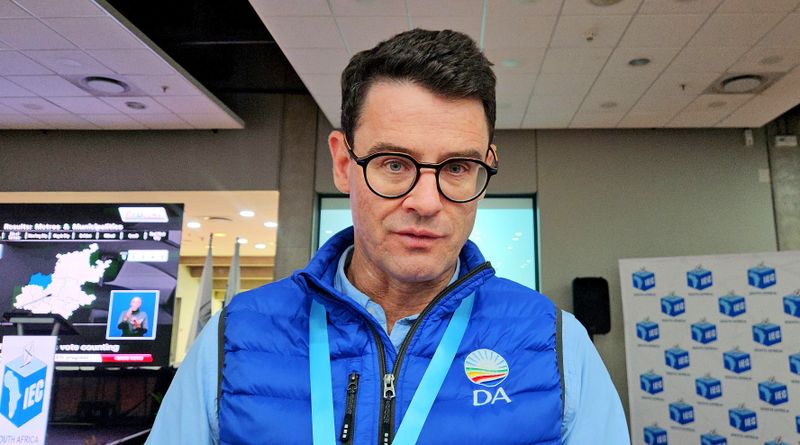
LOCAL ELECTIONS 2026: DA draws coalition red lines as Nelson Mandela Bay results take shape
With the DA leading the vote count in Nelson Mandela Bay, provincial leader Andrew Whitfield says the party is open to coalition negotiations but will not work with the EFF or MK party. He says good governance and service delivery, rather than positions and power, must guide any…
Gov Abiodun declares Ogun ready for state police
The governor described the establishment of state police as a critical step towards strengthening security, protecting investments and sustaining the state’s growing economic activities The post Gov Abiodun declares Ogun ready for state police appeared first on Premium Times…

Former Cross River PDP chair doubts party’s 2027 chances
Former Cross River PDP chairman Venatius Ikem questions the party’s ability to challenge the APC in 2027, describing its structures as fragmented and its Wike-backed presidential candidate, Sandy Onor, as politically invisible. The post Former Cross River PDP chair doubts…

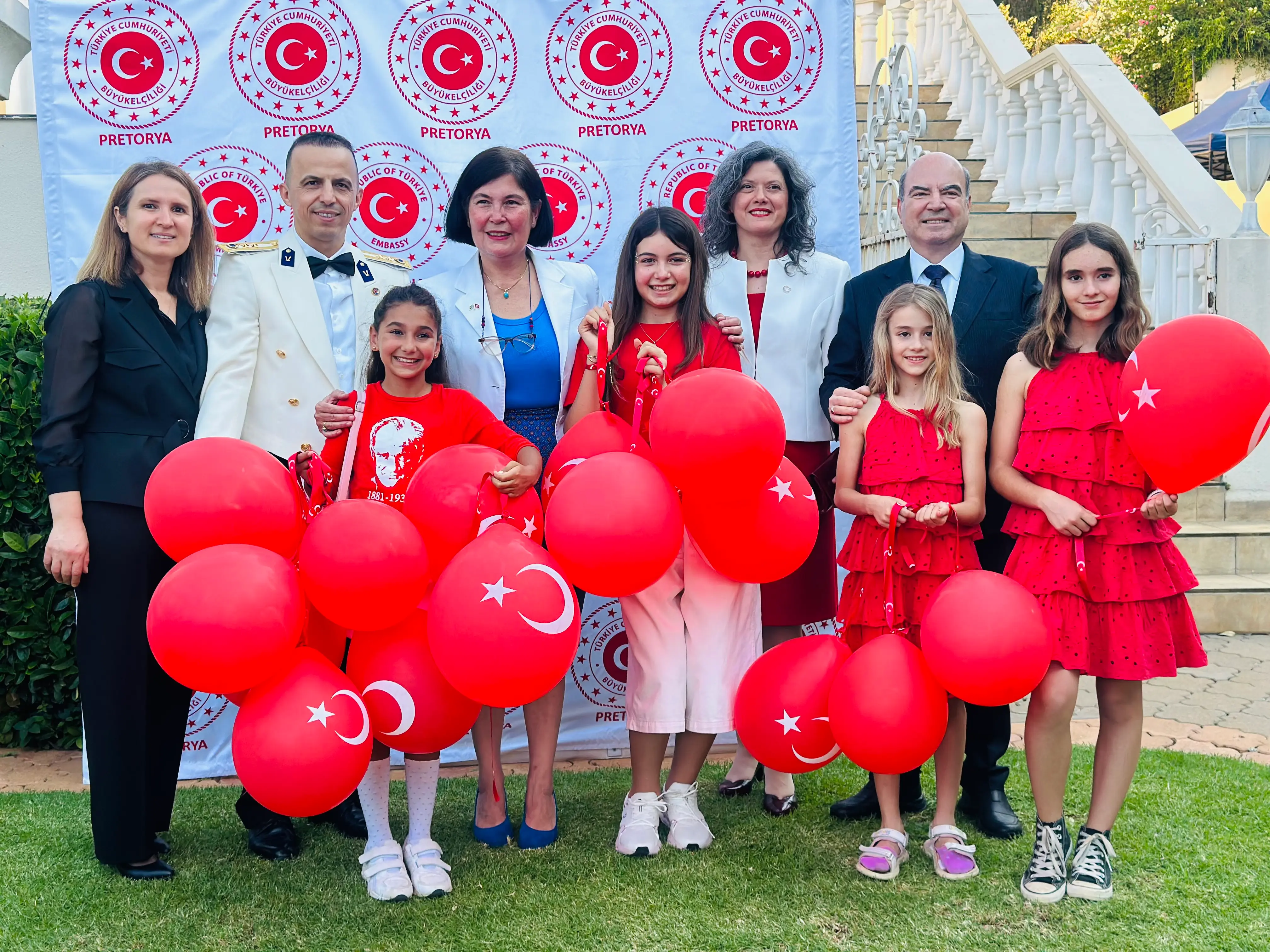
Türkiye and SA look to a bigger future together
The Embassy of the Republic of Türkiye in Pretoria celebrated the 103rd anniversary of the proclamation of the Republic, spotlighting growing diplomatic and economic ties with South Africa.
Top Stories
LOCAL ELECTIONS 2026: DA draws coalition red lines as Nelson Mandela Bay results take shape

USMNT's Gold Cup path to look different as Concacaf unveils revamped group-stage format

Best horse racing betting sites: Where to bet on horse racing
Gov Abiodun declares Ogun ready for state police
Former Cross River PDP chair doubts party’s 2027 chances

Cowboys stars reject George Pickens trade talk ahead of NFL deadline
Türkiye and SA look to a bigger future together

Firms told to publish salaries in job adverts ahead of new law
Latest
LOCAL ELECTIONS 2026: DA draws coalition red lines as Nelson Mandela Bay results take shape
USMNT's Gold Cup path to look different as Concacaf unveils revamped group-stage format
Best horse racing betting sites: Where to bet on horse racing
Gov Abiodun declares Ogun ready for state police
Former Cross River PDP chair doubts party’s 2027 chances
Cowboys stars reject George Pickens trade talk ahead of NFL deadline
Türkiye and SA look to a bigger future together
Firms told to publish salaries in job adverts ahead of new law