Tinubu asks NASS to approve new $7.7bn loan, withdraws previous external borrowing request

President Bola Tinubu has withdrawn his earlier request to the National Assembly to approve the processing of external loans worth $20.5 billion and €1.05 billion under the 2026–2027 Supplementary External Borrowing Plan.
Join the Premium Times WhatsApp Community For Quick Access To News and Happenings Around You.
The president has instead requested approval for a new external borrowing plan of $7.7 billion to finance the 2026 budget deficit partly.
The new request, which seeks approval for $7,707,404,882.49, was in a letter read by Senate President Godswill Akpabio during plenary on Wednesday.
According to Mr Tinubu, the proposed borrowing is equivalent to N10.9 trillion, calculated at an exchange rate of $1 to N1,400, and is intended to finance the N20.2 trillion budget deficit partly.
The president said the new borrowing plan would finance critical projects across various sectors, including infrastructure, defence, agriculture, healthcare, power and education.
He said the projects were designed to stabilise and strengthen the macroeconomic reforms and gains his administration has recorded in recent years.
The new request provides more details about the proposed borrowing, including the sources of funds and the conditions under which they would be raised.
Stay Ahead with Premium Times
Follow us on Google News and never miss breaking stories, investigations, and in-depth reporting.
The borrowing plan
Mr Tinubu said the proposed external borrowing would be sourced through several options, with emphasis on Eurobonds, which he described as relatively faster to conclude and capable of raising larger amounts at a lower cost.
He said the government would pursue all available options simultaneously, taking into account their costs, benefits to the country and the time required to access the funds.
“The plan is to raise the new external borrowings of USD 7.7 billion. I wish to note that all the options will be pursued simultaneously considering the cost and relative benefits to the country and the time required to access the funds,” the letter said.
The president added that the focus would be on Eurobond issuance because of the speed of completing such transactions.
“In view of this, emphasis will be on the issuance of Eurobonds, which is typically faster to conclude. Additionally, a larger amount can be raised through Eurobonds at a relatively lower cost in respect to the terms and conditions of the Eurobond,” he said.
Mr Tinubu explained that because the borrowing would be market-related, the final terms and conditions, interest rates and repayment periods could only be determined at the time of pricing.
He said the request was in line with Sections 21(1) and 27(1) of the Debt Management Office (Establishment, etc.) Act, 2003, and the borrowing plan approved by the National Assembly in the 2026 budget.
How the borrowing fits into the 2026 budget
According to the president, the 2026 Appropriation Act approved N29.2 trillion in new borrowing to partly finance the budget deficit of about N31.4 trillion.
The approved borrowing comprises N18.4 trillion in domestic borrowing and N10.79 trillion in external borrowing.
The proposed $7.7 billion facility is intended to finance part of the external borrowing component.
“The total new borrowings of N29.2 trillion were further subdivided into new domestic borrowing of N18.4 trillion and new external borrowings of N10.79 trillion. The latter is the subject of this request,” the letter said.
The president said the new external borrowing was required to implement programmes and projects contained in the 2026 Appropriation Act.
After reading the letter, Mr Akpabio referred the request to the Senate Committees on Local and Foreign Debts and Appropriations for further scrutiny.
He directed the committees to report back as soon as practicable.
The previous borrowing request
Last Tuesday, Mr Akpabio read an earlier executive communication in which Mr Tinubu sought the National Assembly’s approval to process external loans worth $20,517,755,901 and €1,045,083,643 under the 2026–2027 Supplementary External Borrowing Plan.
The president said the proposed loans would finance critical projects across various sectors, including infrastructure, agriculture, healthcare, education, water supply, security and employment generation, as well as financial management reforms.
The latest request comes about five months after the National Assembly approved a $516.3 million loan from Deutsche Bank AG to finance the construction of the Sokoto–Badagry Superhighway, a flagship infrastructure project under the Tinubu administration’s Renewed Hope Agenda.
The loan has a nine-year tenure, including a grace period of up to three years, with an interest rate capped at the Chicago Mercantile Exchange’s Secured Overnight Financing Rate (SOFR) plus 5.3 per cent annually.
The facility is backed by insurance from the Islamic Corporation for the Insurance of Investment and Export Credit, the insurance arm of the Islamic Development Bank.
In March, the National Assembly also approved a $6 billion external borrowing plan for the federal government.
Of that amount, $5 billion was to be sourced from First Abu Dhabi Bank to support the national budget, while a $1 billion export finance facility from the United Kingdom, arranged by Citibank, was earmarked for the rehabilitation of Tin Can Island Port and the Lagos Port Complex.
READ ALSO: Oshiomhole defends Tinubu’s borrowing plan, says loans will fund infrastructure
Nigeria’s debt profile
The latest borrowing request comes amid concerns about Nigeria’s rising public debt and the growing cost of servicing government obligations.
Nigeria’s debt burden has increased in recent years as the federal government has relied on domestic and external borrowing to finance budget deficits and infrastructure projects.
Although the country’s debt-to-GDP ratio has generally been considered moderate compared with that of some peer economies, analysts have raised concerns about the government’s limited revenue base and its capacity to meet debt obligations.
A substantial share of government revenue goes to debt servicing, limiting funds available for infrastructure, public services, and other development priorities.
The International Monetary Fund and the World Bank have repeatedly urged Nigeria to strengthen revenue mobilisation, improve tax collection and ensure that borrowed funds support productive investments capable of generating economic returns.
The federal government has maintained that external borrowing is necessary to address the country’s infrastructure deficit, finance development projects and meet its budgetary obligations.
Officials have also argued that borrowing on favourable terms can help manage financing costs and support economic growth.
Share this:
Discover more from Premium Times Nigeria
Subscribe to get the latest posts sent to your email.
Type your email…
Subscribe
Amnesty International demands release of man allegedly detained over critical posts regarding APC rally
Maduka University Teaching Hospital Nsukka opens its doors
Abdulqudus Ogundapo
More News
Tinubu’s Education Reforms: FG disburses ₦372.62bn in student loans, trains 156,446 TVET beneficiaries
PSC dismisses three senior police officers, demotes 16 others
Abuja Rent: Reps advance bill to protect tenants from exploitation
Soldiers kill suspected kidnappers, recover AK-47 rifles in Kogi
US Midterms: Why we lost woefully – JD Vance
State Police: Senate sets deadline for state assemblies to transmit resolutions
Related Topics
Keywords
Related Stories
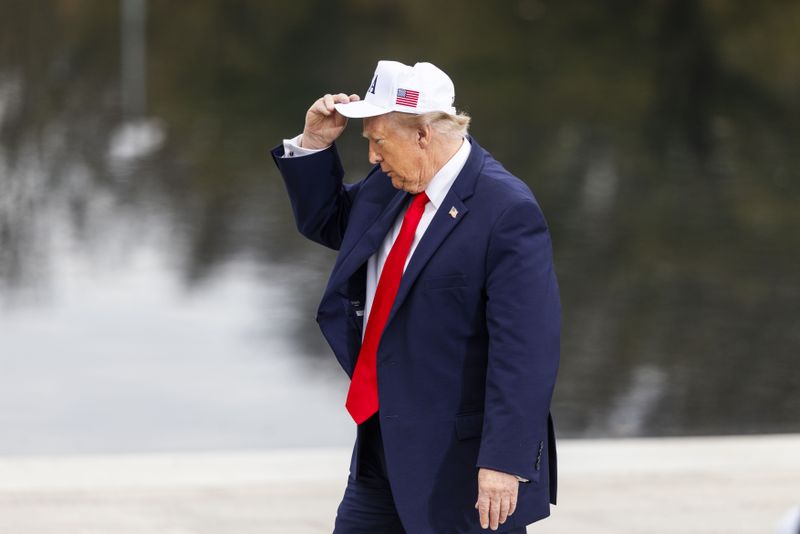
Trump says Republicans harmed by Iran war, inability to ‘transfer the love’ for him
WASHINGTON, Nov 4 (Reuters) - President Donald Trump said on Wednesday the Iran war has been worth it despite acknowledging its role in losses in US midterm elections in which his Republican party lost control of Congress.
2027: Makinde unveils presidential manifesto, faults leaders over failures
The APM candidate and Oyo governor also proposed a government of national unity and an electoral threshold to encourage political alliances across ethnic, religious and political divides. The post 2027: Makinde unveils presidential manifesto, faults leaders over failures…

Democrats sweeps Congress leaving defiant Trump a lame-duck president
US President Donald Trump was coming to terms on Wednesday with the prospect of two years of political impotence, after the Democrats won control of both houses of Congress in the midterm elections.

Many injured, missing as Nasarawa APC presidential rally turns bloody
The rally, which had Vice President Kashim Shettima in attendance, turned chaotic when some youths dressed in APC regalia began chanting slogans in support of the Social Democratic Party (SDP) governorship candidate, former Inspector-General of Police (IGP), Adamu Abubakar. The…

Top Stories
Trump says Republicans harmed by Iran war, inability to ‘transfer the love’ for him

What's next for the Valkyries? Why Golden State could add star free agent to championship core

Today's top games to watch, best bets, odds: 76ers at Pistons, Flagg vs. Wembanyama, college football and more
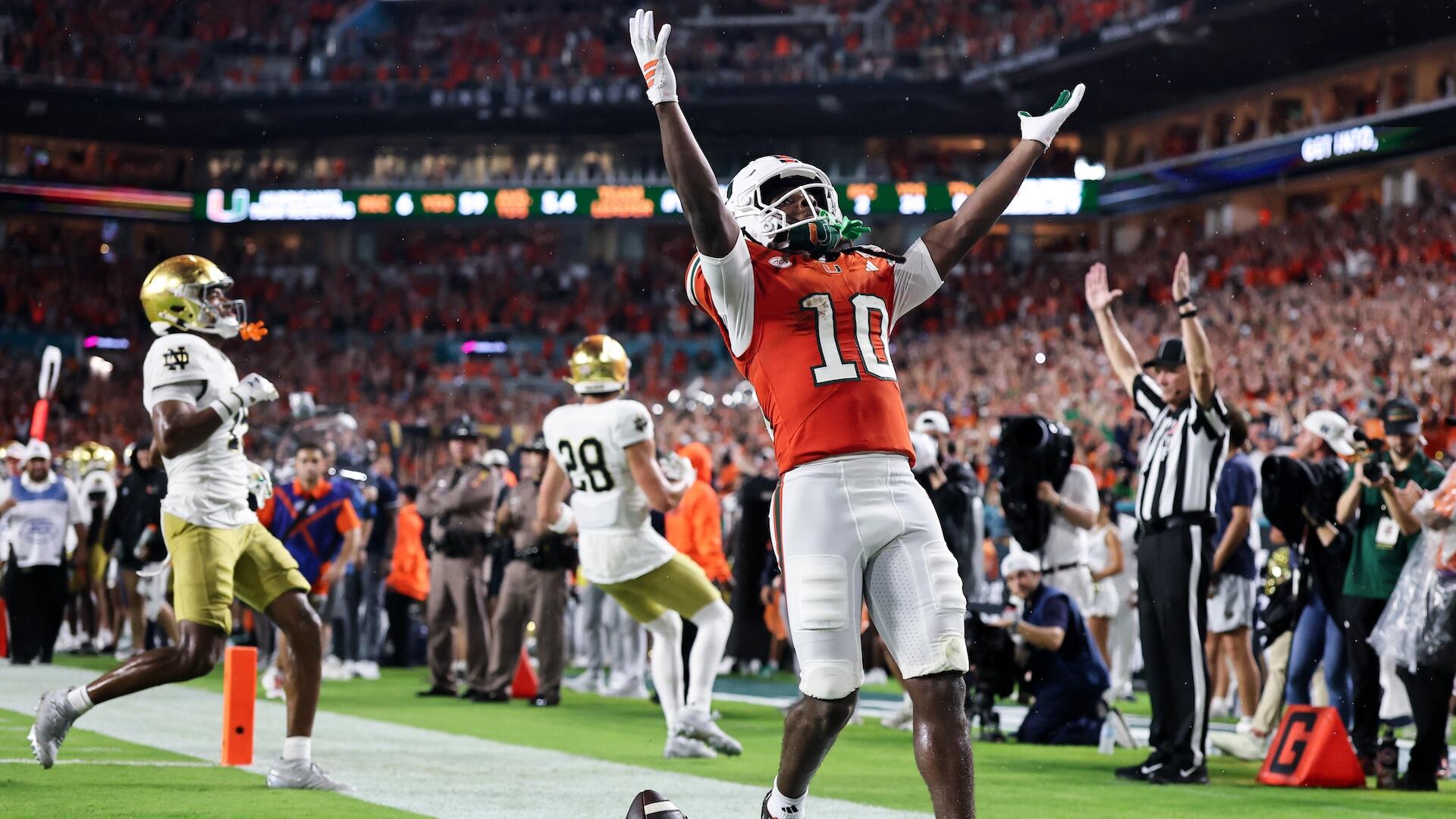
Previewing a Week 10 that could reshape the CFP race as the biggest Saturday yet arrives

Gemini for Home now plugs into AT&T’s smart security system
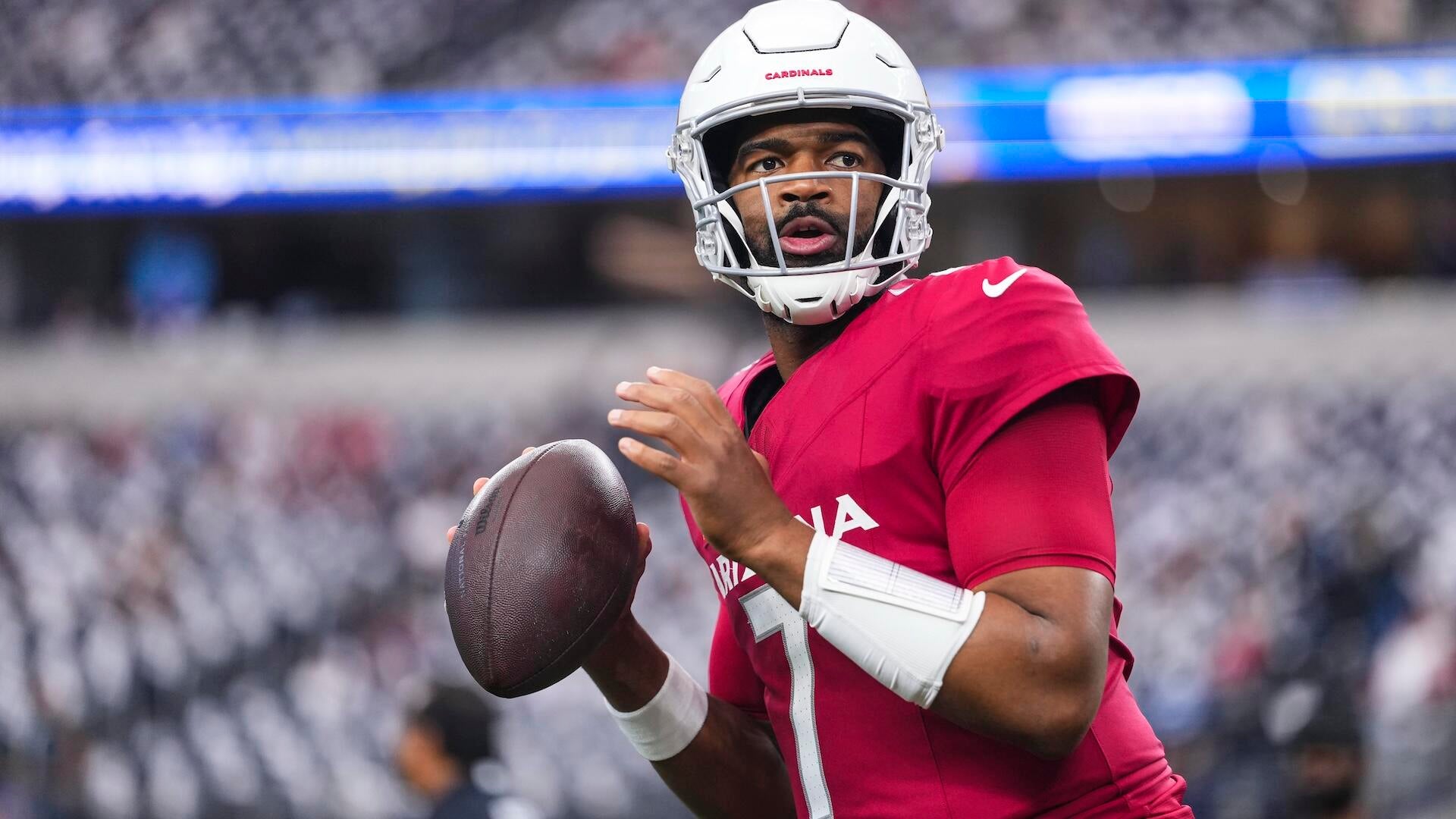
Jacoby Brissett trade: Ravens strike deal for Cardinals QB amid injury crisis
2027: Makinde unveils presidential manifesto, faults leaders over failures

NBA DFS: Top DraftKings, FanDuel daily Fantasy basketball picks for Wednesday, Nov. 4 include OG Anunoby
Latest
Trump says Republicans harmed by Iran war, inability to ‘transfer the love’ for him
What's next for the Valkyries? Why Golden State could add star free agent to championship core
Today's top games to watch, best bets, odds: 76ers at Pistons, Flagg vs. Wembanyama, college football and more
Previewing a Week 10 that could reshape the CFP race as the biggest Saturday yet arrives
Gemini for Home now plugs into AT&T’s smart security system
Jacoby Brissett trade: Ravens strike deal for Cardinals QB amid injury crisis
2027: Makinde unveils presidential manifesto, faults leaders over failures
NBA DFS: Top DraftKings, FanDuel daily Fantasy basketball picks for Wednesday, Nov. 4 include OG Anunoby