TJ Malamule says leadership is measured by action, not strategy

Growing up in Tzaneen, South African strategist and author TJ Malamule learnt that circumstances do not have to determine a person’s future. The lesson shaped his approach to personal development and education, and now underpins his challenge to conventional ideas about leadership: a strategy means little if leaders lack the discipline and accountability to put it into action.
Malamule argues that organisations do not necessarily lack vision. Instead, the problem is often the failure to translate that vision into results.
His philosophy, “Strategy is not a document; it’s how you lead,” reflects his belief that leadership is demonstrated through everyday decisions, consistency and taking responsibility for outcomes.
“My journey began in Tzaneen, where I learnt early that your circumstances do not have to determine your future. I became intentional about personal growth, education and creating opportunities beyond what I had known. My experiences in business and leadership later taught me that having a vision is only the beginning; the real work lies in developing the discipline and ability to execute it,” he said.
“Today, my philosophy is simple: growth should be reflected in how you lead, how you serve and the value you create for others.”
Malamule says his experience across 17 industries has exposed him to different organisational cultures and leadership approaches. One recurring problem, he says, is the gap between what leaders expect from employees and the standards they apply to themselves.
“Strategy must be lived, not simply presented.”
The principle also informs his work on leadership and accountability, where he argues that leaders must demonstrate the values and standards they expect from others.
Through his book, The Unstoppable High-Value Man, Malamule examines discipline, self-mastery and intentional living, extending the conversation about personal development into the lives of men, their families and communities.
He argues that modern masculinity should not be defined by material possessions, wealth or professional status, but by the character and responsibility a man demonstrates in everyday life.
“We need to move beyond conversations about what a man should have and focus more on who he should become. Masculinity should not be measured solely by wealth, status or power, but by character, discipline, emotional maturity and responsibility,” he said.
“A man’s influence extends beyond himself to his family, workplace and community. Being a high-value man means becoming someone others can depend on, respect and grow alongside.”
The book reflects a broader theme in his work: personal development must be accompanied by a willingness to change behaviour and accept responsibility for one’s influence on others.
The discussion around masculinity and the responsibilities facing men has also featured in Cape Times coverage of the challenges confronting boys and men.
Malamule has delivered more than 200 speaking engagements in six countries, reaching audiences in corporate, government and professional sectors.
His engagements have included Old Mutual Insure, the Department of Agriculture, Land Reform and Rural Development, and the Zambia Institute of Chartered Accountants.
For Malamule, the value of leadership development is ultimately measured by what people do differently after hearing the message.
“The impact of a keynote is not measured by the applause at the end, but by what changes after people leave the ro
Related Topics
Keywords
Related Stories
LOCAL ELECTIONS 2026: ‘Our people are angry’ — MK party threatens to challenge election results
The uMkhonto Wesizwe party has warned that it could approach the Electoral Court of South Africa over alleged irregularities in the 2026 local government elections.

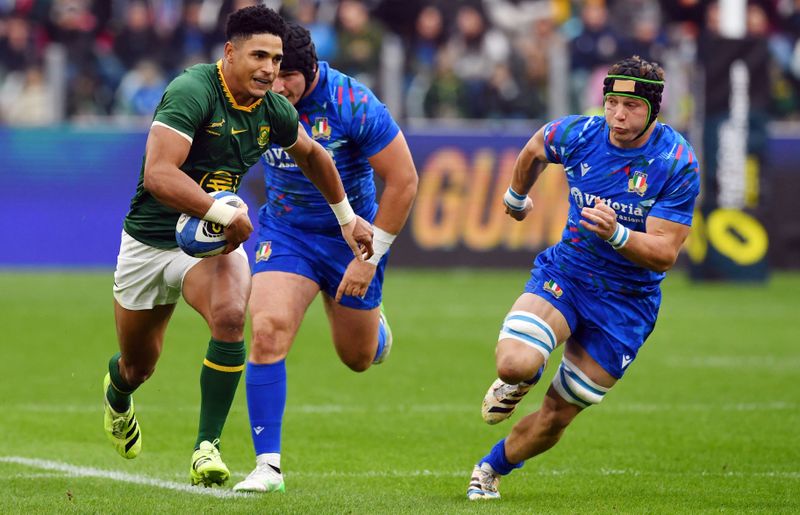
TRY FEST: Nine-try Springboks blitz Italy in Turin to set Nations Championship pace
The Springboks scored a record 66-7 (halftime 45-0) away win over Italy in a Nations Championship match in Turin on Saturday.
SPCA warns against fireworks cruelty as Diwali approaches
The Durban and Coast SPCA has urged residents to follow fireworks rules and protect pets from fear, injury and escape during Diwali celebrations.

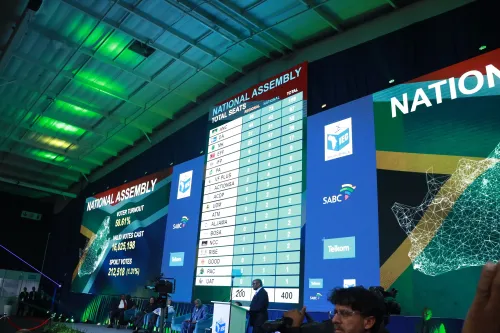
Five wards face recounts as IEC processes 197 election objections
The IEC has upheld two of 197 objections to South Africa’s 2026 local election results, ordering recounts in five wards before the final results are announced on Sunday.
Top Stories
LOCAL ELECTIONS 2026: ‘Our people are angry’ — MK party threatens to challenge election results
TRY FEST: Nine-try Springboks blitz Italy in Turin to set Nations Championship pace
SPCA warns against fireworks cruelty as Diwali approaches

Costco members can get $5 off the reimagined Ocarina of Time

Discogs’ Kevin Lewandowski can’t live without his AeroPress
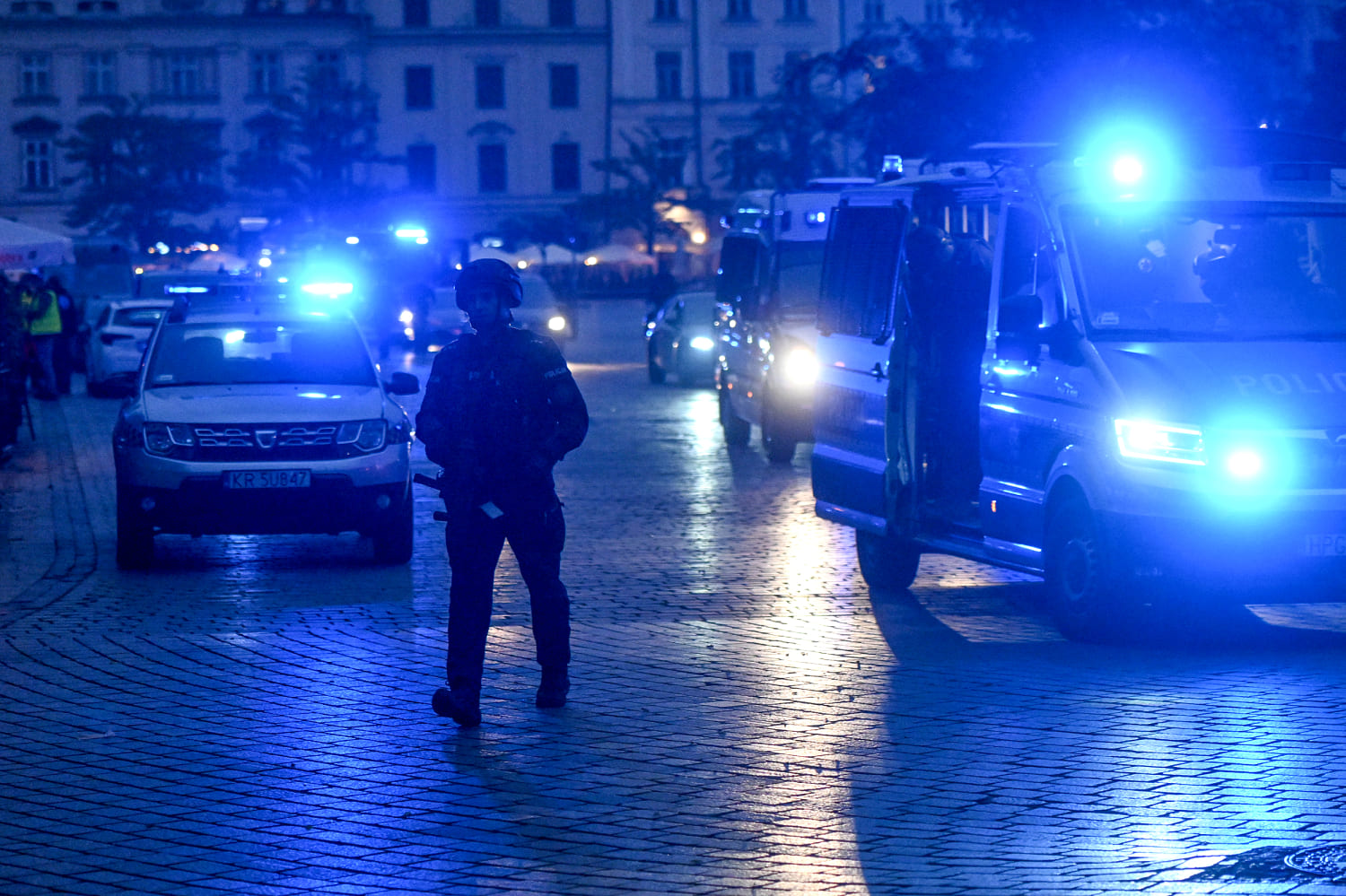
Five people killed, multiple injured in Poland market shooting

No clear winner after tight New Zealand general election
Five wards face recounts as IEC processes 197 election objections
Latest
LOCAL ELECTIONS 2026: ‘Our people are angry’ — MK party threatens to challenge election results
TRY FEST: Nine-try Springboks blitz Italy in Turin to set Nations Championship pace
SPCA warns against fireworks cruelty as Diwali approaches
Costco members can get $5 off the reimagined Ocarina of Time
Discogs’ Kevin Lewandowski can’t live without his AeroPress
Five people killed, multiple injured in Poland market shooting
No clear winner after tight New Zealand general election
Five wards face recounts as IEC processes 197 election objections