Uganda begins withdrawing troops from Somalia after 20 years

Uganda has begun withdrawing its troops from Somalia after nearly two decades of military involvement in the country.
The first contingent of 109 Uganda People's Defence Forces (UPDF) troops reportedly left the capital, Mogadishu, on Friday, following an announcement by Uganda's army chief, Gen Muhoozi Kainerugaba.
Uganda's acting army spokesperson, Chris Magezi, did not respond to the BBC's request for comment.
Uganda was the first African country to deploy troops to Somalia under the African Union Mission in Somalia (Amisom), which was established in 2007 to help protect the country's transitional government from attacks by Islamist militants.
Last week, Gen Muhoozi said Uganda had begun pulling out its troops and would hand over security responsibilities to Somali forces.
"As we promised, we have started withdrawing UPDF from Somalia. After 20 years of a lot of blood and sacrifice, we are handing over security to our Somali brothers," he wrote on X.
The withdrawal is being carried out in phases and is expected to be completed in August 2027.
However, Uganda is not ending its entire military involvement in Somalia. Its troops deployed under a separate bilateral security arrangement will remain in the country.
An estimated 4,500 troops are in Somalia under the Africa Union mission, alongside about 2,000 deployed through bilateral arrangements.
Somalia has been battling a prolonged and deadly insurgency led al-Shabab, an al-Qaeda-linked militant group, for more than two decades.
Uganda forces first deployed to the country in 2007 and played a key role in driving al-Shabab out of Mogadishu and other major towns.
They fought alongside the Somali National Army to recapture strategic territory and secure key government installations.
Ugandan troops continued its military involvement under successive Africa Union, including the African Union Transition Mission in Somalia (Atmis), which began with the aim of gradually transferring security responsibilities to Somalia.
It was replaced in 2025 by the African Union Support and Stabilisation Mission in Somalia (Aussom), which is focused on strengthening Somalia's security institutions and preparing its forces to take full responsibility for the country's security.
Aussom now faces uncertainty over its future funding, amid plans to wind down US and UN support.
A 12-month transition plan is due to begin to in January, giving Somalia and the AU time to seek alternative sources of funding.
You may also be interested in:
This army chief threatened to castrate opposition leader and claimed descent from Jesus
- Published31 January
This army chief threatened to castrate opposition leader and claimed descent from Jesus
The 'shadow army' helping Uganda's long-serving president keep an iron grip on power
- Published17 October 2025
The 'shadow army' helping Uganda's long-serving president keep an iron grip on power
Why is Uganda fighting in 'hellish' Somalia?
- Published15 March 2012
Why is Uganda fighting in 'hellish' Somalia?
Go to BBCAfrica.com, external for more news from the African continent.
Follow us on Twitter @BBCAfrica, external, on Facebook at BBC Africa, external or on Instagram at bbcafrica, external
Related topics
BBC Africa podcasts
Focus on Africa
Focus on Africa
This Is Africa
This Is Africa
Keywords
Related Stories
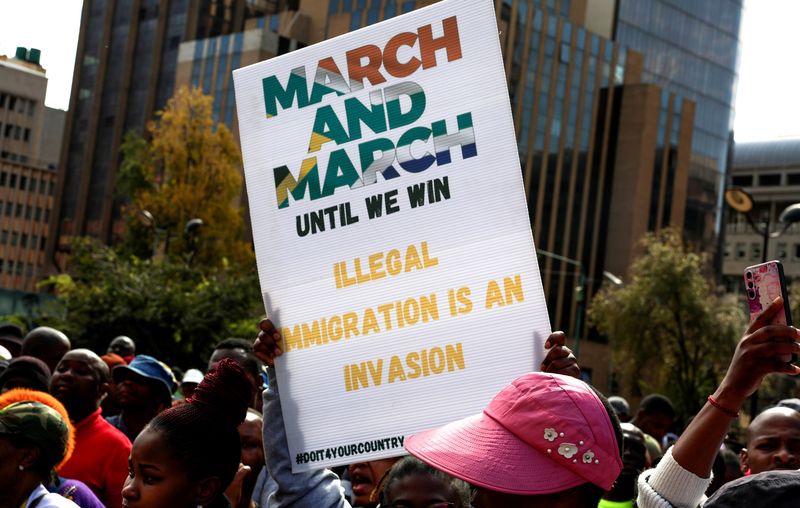
DIGITAL POLITICS OP-ED: The anti-foreigner movement squares up to the state in run-up to elections
From xenophobic campaigning to farm attacks and coordinated influencer messaging, political factions sharpen their attacks on the government and rivals before the 4 November local elections.
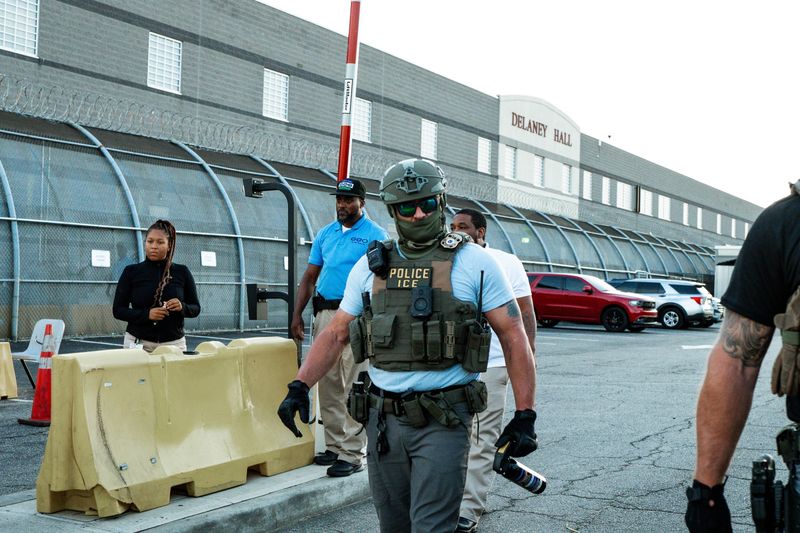
Afghanistan asks US to act responsibly on deporting Afghan immigrants back home
The Afghan Taliban government asked the United States to act responsibly when deporting Afghan immigrants back home, the Afghan foreign ministry said on Monday, adding that Kabul was prepared to engage constructively with Washington on the issue.
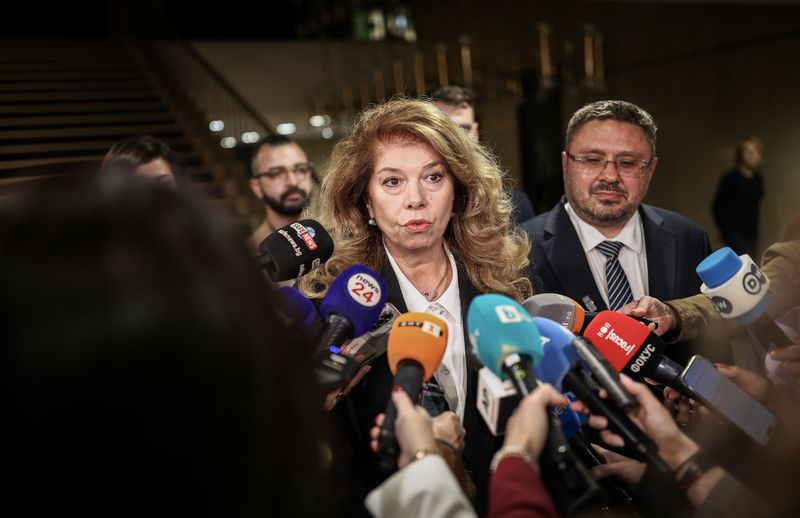
Bulgaria’s Iotova wins presidential runoff, near-final results show
Bulgaria's acting President Iliana Iotova won the presidential runoff election, near-final results from the Central Election Commission showed on Monday, becoming the country's first elected female head of state amid low voter turnout.
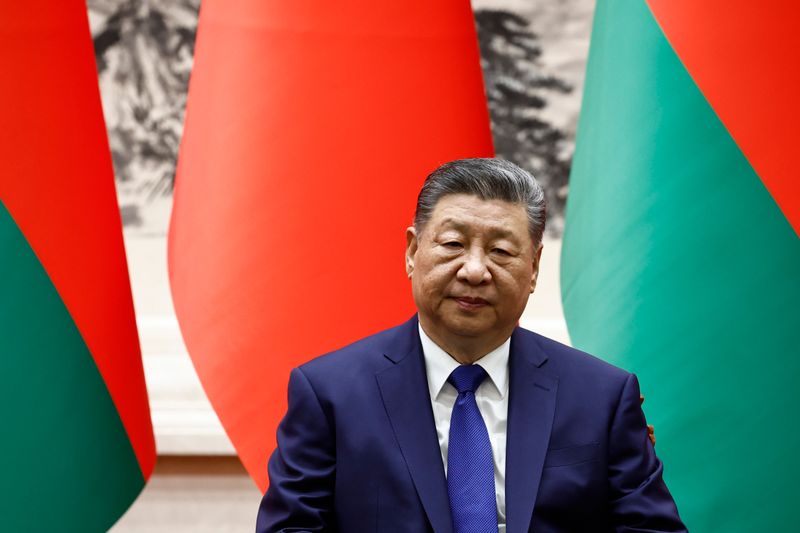
China’s Xi says Middle East should not become battleground for great power rivalry
The Middle East and Gulf region should not become a battleground for great-power rivalry and China is willing to work with Arab nations to achieve lasting peace, Chinese President Xi Jinping told Oman's sultan on Monday
Top Stories
DIGITAL POLITICS OP-ED: The anti-foreigner movement squares up to the state in run-up to elections
Afghanistan asks US to act responsibly on deporting Afghan immigrants back home
Bulgaria’s Iotova wins presidential runoff, near-final results show
China’s Xi says Middle East should not become battleground for great power rivalry

PZ Cussons shareholders approve N9.926bn dividend payout
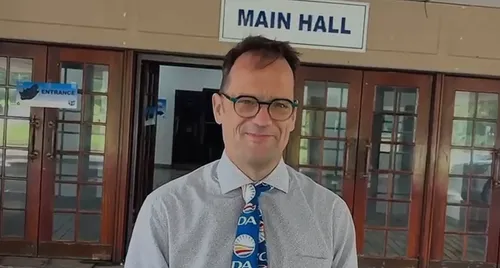
Martin Meyer urges KZN special voters to turn out for local elections
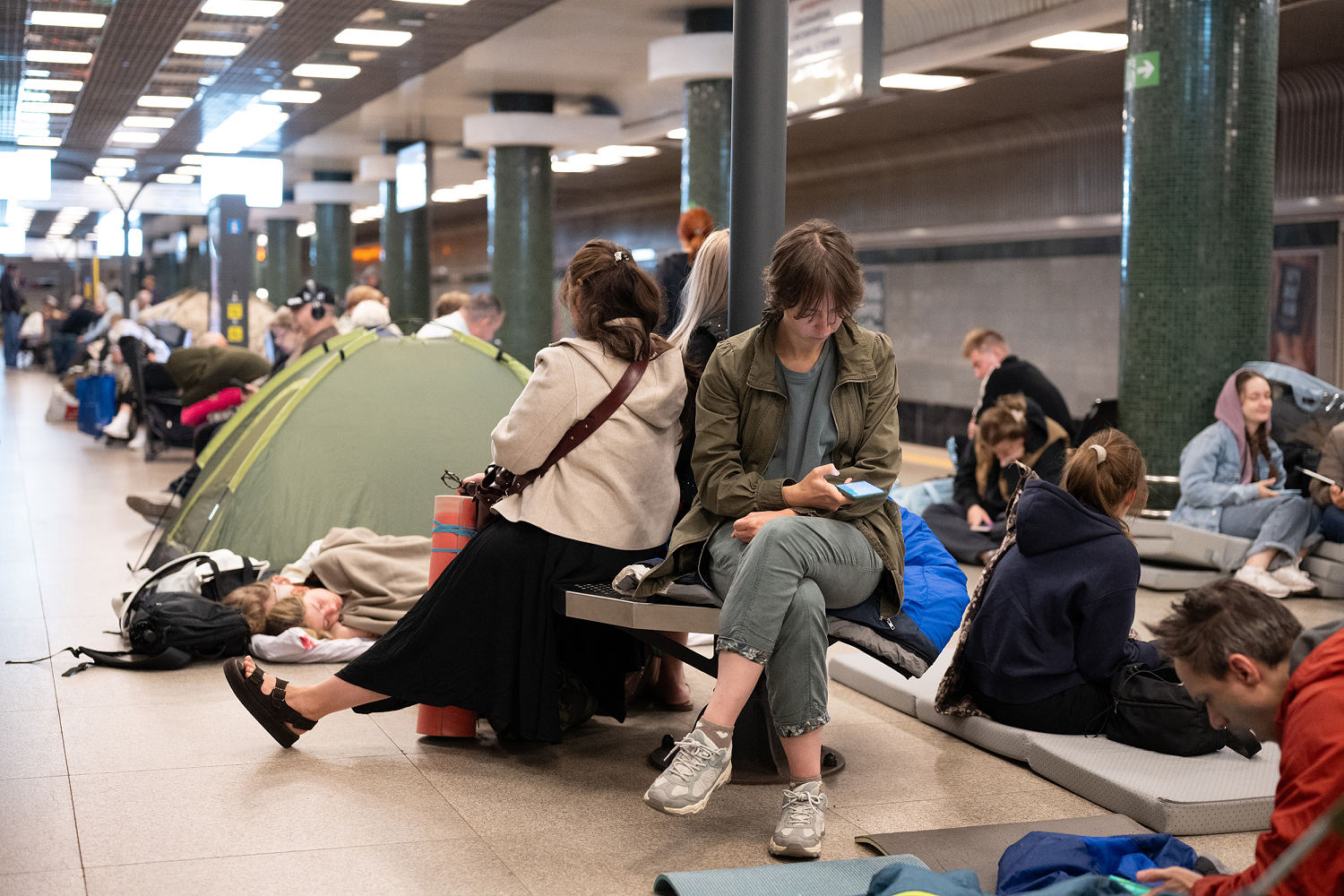
Fake alerts warn of nuclear danger as Ukraine and Russia report emergency app hacks
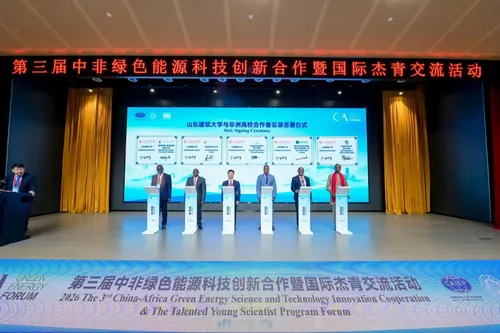
China-Africa green energy forum strengthens research ties in Jinan
Latest
DIGITAL POLITICS OP-ED: The anti-foreigner movement squares up to the state in run-up to elections
Afghanistan asks US to act responsibly on deporting Afghan immigrants back home
Bulgaria’s Iotova wins presidential runoff, near-final results show
China’s Xi says Middle East should not become battleground for great power rivalry
PZ Cussons shareholders approve N9.926bn dividend payout
Martin Meyer urges KZN special voters to turn out for local elections
Fake alerts warn of nuclear danger as Ukraine and Russia report emergency app hacks
China-Africa green energy forum strengthens research ties in Jinan