UN’s peacekeeping mission in disputed Western Sahara ends after 35 years

The UN's long-running peacekeeping mission for the disputed Western Sahara ceased operations Sunday after 35 years, as a result of a US-Russia standoff at UN headquarters over the territory’s future.
The end of the mission raises concerns about stability in the region. Rich in minerals and fisheries, Western Sahara is a vast desert territory roughly the size of Colorado along Africa’s northwestern Atlantic coast. Once ruled by Spain, it is claimed by both Morocco and the pro-independence Polisario Front.
“This 1 November 2026 marks the start of the liquidation period,” Stéphane Dujarric, spokesperson for the UN secretary general, said in a statement. “A smaller team reporting to the United Nations’ Department of Operational Support will oversee the orderly transportation of assets belonging to troop-contributing countries to their respective nations, and the appropriate disposal of equipment belonging to the United Nations.''
The mission had been repeatedly extended since it was established in 1991. In the UN Security Council on Friday, Russia vetoed a draft US resolution that would have supported Morocco’s demand for sovereignty over Western Sahara and ended the peacekeeping mission next year.
Read moreGoogle denies removing Maps border between Western Sahara and Morocco
Then a rival Russian resolution to extend the mission was voted down. The disagreement led to an abrupt end of the force’s mandate.
Morocco’s royal palace welcomed the non-renewal of the mission. It called it an "instrument to internationalize the dispute".
The Polisario Front, backed by Algeria, called it "an unacceptable decision". The Algerian foreign ministry said it profoundly regrets the non-renewal of the mandate and criticized what it called the "excessive bias'' of the US draft resolution.
The UN classifies Western Sahara as a “non-self-governing territory”, while critics of Morocco’s control describe it as Africa’s last colony. Morocco administers nearly all of the disputed territory, except for a narrow strip known as the “free zone” that lies east of a Moroccan-built sand wall.
After Morocco annexed it in 1975, the dispute escalated into an armed conflict that lasted more than 15 years and claimed more than 16,000 lives on both sides, according to the French Senate.
Watch moreWinds and waves: Tourism takes off in disputed Western Sahara
Bringing Western Sahara under its full sovereignty has been a central objective of Morocco’s foreign policy for decades. Rabat, which has secured the backing of a growing number of Western capitals, including Washington, Paris and London, refers to the territory as its southern provinces. The dispute has become a defining feature of Morocco’s diplomacy, with the kingdom often measuring its relations with other countries by their position on the issue.
The Polisario Front seeks independence for the territory, which it considers the homeland of the Indigenous Sahrawi people. Operating from refugee camps in the Algerian city of Tindouf, the movement aims to establish an independent Sahrawi Republic. Mainly backed by Algeria, Russia and South Africa, the Polisario has seen its international support dwindle in recent years.
A UN-brokered cease-fire took effect in 1991. The agreement also paved the way for the creation of the UN Mission for the Referendum in Western Sahara, known as MINURSO.
The settlement plan provided for a referendum on self-determination, with independence among the options. But the vote never materialized. Morocco wanted the voter list to include Sahrawis living in the territory it controls, while the Polisario objected, arguing that their inclusion would tilt the outcome toward integration with Morocco. The movement insisted on using Spain’s colonial census to determine voter eligibility.
Watch moreMass investment changes face of Dakhla, in Morocco-controlled Western Sahara
Twenty MINURSO personnel lost their lives in the mission. The UN force was authorized to have 534 personnel, and its 2026-2027 budget was more than $62 million. The top military contributors to the force were Egypt, Ghana and Pakistan.
As the mission ends, the UN secretary-general "calls upon all parties to respect and promote the rights of the people of Western Sahara," Dujarric said, and "remains concerned about the security situation throughout the Territory and the risk of escalation of hostilities. He calls on all concerned to exercise maximum restraint."
The Polisario withdrew from the ceasefire in 2020 after clashes and the territory has since remained the scene of tensions and low-intensity hostilities, the UN said last month.
Western Sahara is the major flashpoint in the rivalry between regional heavyweights Morocco and Algeria. Algiers, which arms, funds and hosts the Polisario Front, sees full Moroccan sovereignty over the territory as a major diplomatic defeat. The two countries severed diplomatic relations in 2021, and the end of the mission risks further straining ties and fueling an arms race.
(FRANCE 24 with AP)
Related Topics
Keywords
Related Stories
CONGRESS IN THE BALANCE: A blue tsunami, a tide, or chaos as usual — the US midterm election
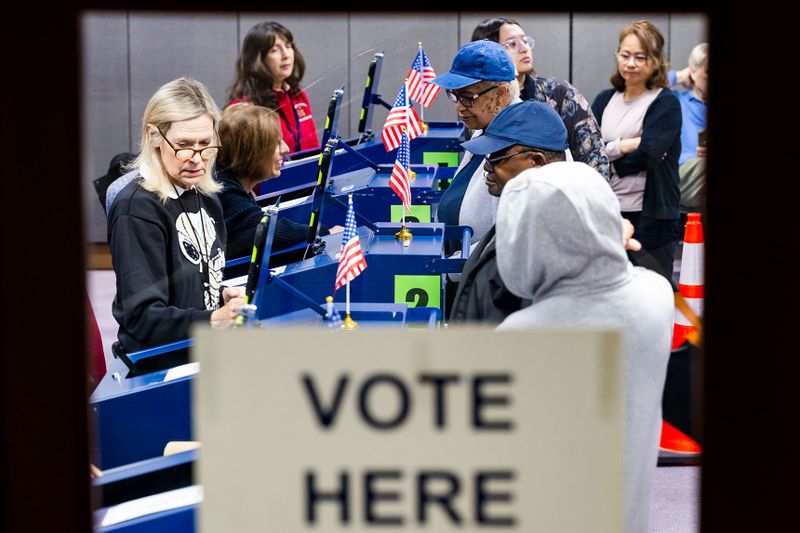
With just hours to go before the American midterm election takes place, the day before South Africa’s own local election, control of both houses of the American Congress hangs in the balance.
DIVISIVE WORDS: ‘We never called for literal killing’ — Malema appeals for farm killings to stop.
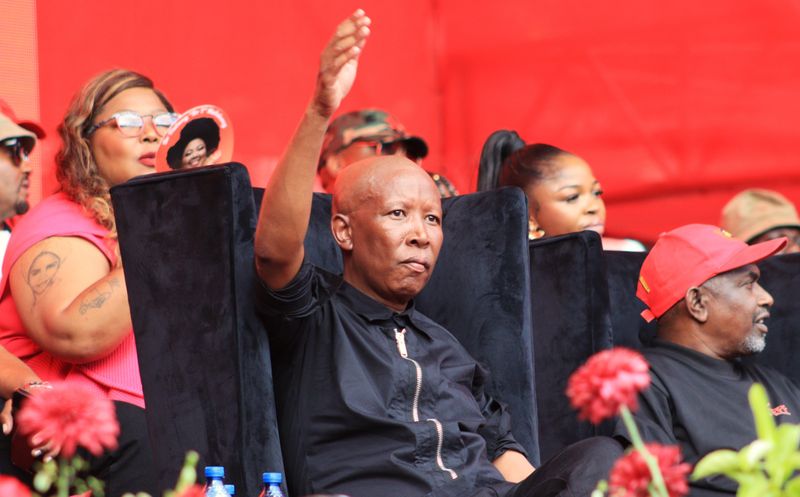
EFF leader Julius Malema says the chant “Kill the boer, kill the farmer” was never meant literally and has appealed for farm killings to stop.
TRC ROULETTE : Victims’ families place key hidden evidence before Khampepe inquiry
A physical inspection of old lever arch files by the legal team representing the families of apartheid victims at the Khampepe Commission strengthens Anton Ackermann’s claim that a disputed 2006 memo was forged, reshaping the Khampepe inquiry into delayed apartheid prosecutions.
REAL ESTATE & GOVERNANCE: How SA property prices reflect municipal service delivery
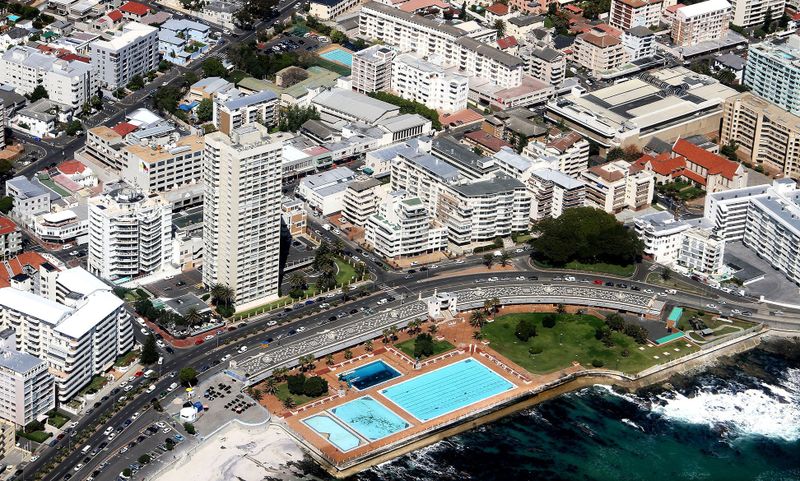
South Africa’s property prices broadly track municipal performance, with Cape Town leading and Buffalo City lagging, but several metros challenge the pattern.
Top Stories
CONGRESS IN THE BALANCE: A blue tsunami, a tide, or chaos as usual — the US midterm election

'We've got big problems' - Hamilton says Ferrari need 'serious talks'

Detroit linebacker Campbell taken to hospital with neck injury
DIVISIVE WORDS: ‘We never called for literal killing’ — Malema appeals for farm killings to stop.

Antonelli becomes world champion as Verstappen wins in Mexico
TRC ROULETTE : Victims’ families place key hidden evidence before Khampepe inquiry
REAL ESTATE & GOVERNANCE: How SA property prices reflect municipal service delivery
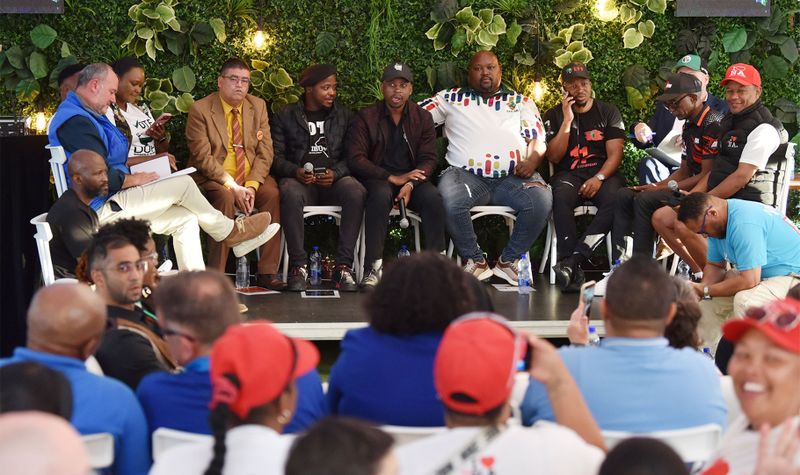
LOCAL ELECTIONS 2026: Thirteen mayoral candidates, plenty of blame and a crowd of fed-up residents
Latest
CONGRESS IN THE BALANCE: A blue tsunami, a tide, or chaos as usual — the US midterm election
'We've got big problems' - Hamilton says Ferrari need 'serious talks'
Detroit linebacker Campbell taken to hospital with neck injury
DIVISIVE WORDS: ‘We never called for literal killing’ — Malema appeals for farm killings to stop.
Antonelli becomes world champion as Verstappen wins in Mexico
TRC ROULETTE : Victims’ families place key hidden evidence before Khampepe inquiry
REAL ESTATE & GOVERNANCE: How SA property prices reflect municipal service delivery
LOCAL ELECTIONS 2026: Thirteen mayoral candidates, plenty of blame and a crowd of fed-up residents